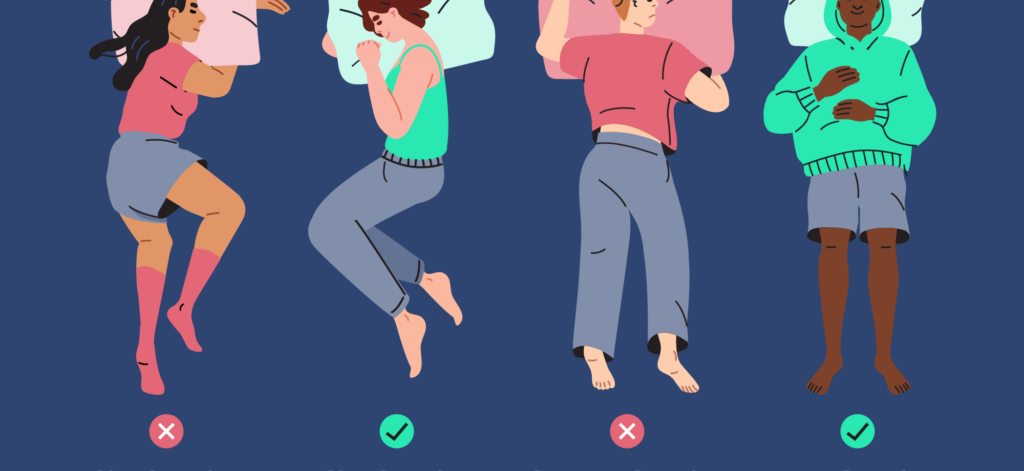
Finding the right sleep position can transform your nights from restless to restorative. While we all have our go-to postures, science reveals that certain positions offer distinct advantages for spinal health, breathing, and overall comfort. Whether you’re battling lower back pain, managing acid reflux, or simply chasing deeper rest, understanding these 15 sleep positions can help you wake up feeling genuinely refreshed rather than stiff and unsteady.
15. Left Side Sleeping
Source: AI Generated
Sleeping on your left side harnesses gravity to prevent stomach acid from creeping into your esophagus, making it the top choice for anyone dealing with GERD or heartburn. Pregnant women particularly benefit since this position enhances blood flow to the placenta while keeping the spine, head, and pelvis in neutral alignment. It’s also effective at reducing snoring by keeping airways naturally open throughout the night.
14. Fetal Position
Source: AI Generated
Curling up on your side with your knees drawn toward your chest opens up the joints in your spine, which significantly eases lower back pain and proves especially helpful for spinal stenosis sufferers. Research suggests this position may even facilitate brain waste clearance during sleep, potentially reducing Alzheimer’s risk over time. Women tend to favor this cozy posture more than men, though it’s universally comforting.
13. Standard Back
Source: AI Generated
Lying flat on your back with a neutral spine distributes your body weight evenly, preventing those morning aches in your neck, shoulders, and lower back that plague side and stomach sleepers. This position serves as the gold standard for spinal health, provided you don’t struggle with breathing issues like sleep apnea. It’s straightforward, supportive, and lets your mattress do exactly what it’s designed to do.
12. Supported Back
Source: AI Generated
Placing a thin pillow beneath your knees or lower back while sleeping on your back relieves pressure on your lumbar region while maintaining that crucial neutral spine alignment. Sleep specialists consistently recommend this modified position for people managing chronic back pain. The added support prevents your lower back from arching unnaturally, which often happens on softer mattresses.
11. Log Position
Source: AI Generated
Side-lying with your arms extended straight down along your body keeps your spine beautifully aligned while dramatically cutting down on snoring and sleep apnea by maintaining open airways. About 15% of sleepers naturally adopt this position, and adding a pillow between your knees can further ease hip pressure. It’s a simple adjustment that delivers surprisingly effective results.
Also read our article on things we didn’t realize were luxury to see everyday comforts you may take for granted.
10. Elevated Incline
Source: AI Generated
Propping your upper body on pillows creates an angle that eases congestion, minimizes snoring, combats acid reflux, and alleviates post-nasal drip by encouraging natural drainage. This position becomes your best friend during colds or allergy season, and it’s also beneficial for managing sleep apnea symptoms. Just make sure your entire torso is elevated, not just your head, to avoid neck strain.
9. Soldier Position
Source: AI Generated
Sleeping on your back with your arms positioned rigidly at your sides supports firm posture while reducing acid reflux, especially when you add a slight elevation. This military-inspired stance enhances breathing patterns and promotes heart rate stability throughout the night. It’s particularly useful for people who need strict spinal alignment without the complications of side sleeping.
8. Starfish Position
Source: Canva
Spreading out on your back with arms and legs extended wide minimizes facial wrinkles caused by pillow pressure and maintains even spinal distribution. Placing a pillow under your knees helps preserve your natural lumbar curve while you sprawl comfortably. This position demands space but rewards you with reduced pressure points and improved circulation.
7. Yearner Position
Source: AI Generated
Side sleeping with your arms stretched forward promotes a relatively neutral spine, though it can strain your shoulders if they lack proper pillow support. This position works well for people who need their chest cavity open for easier breathing, but it’s less ideal if you’re dealing with joint pain. Adjusting your arm placement slightly can make a significant comfort difference.
6. Semi-Fowler
Source: AI Generated
Elevating your upper body slightly while lying on your back improves lung expansion and substantially reduces GERD symptoms by keeping stomach contents where they belong. Hospitals frequently use this position for patients needing respiratory relief, and it translates beautifully to home use with adjustable beds or stacked pillows. It strikes a practical balance between comfort and therapeutic benefit.
Check out our article on habits of people with low IQ to better understand behaviors linked to cognitive patterns.
5. Knees-to-Chest
Source: Canva
Adopting a loose fetal position on your side or back brings your knees gently toward your chest, soothing digestive bloating and relieving lower back tension during short rest periods. Avoid curling too tightly, which can restrict your breathing and leave you feeling cramped. This position works brilliantly for temporary relief rather than full-night sleeping.
4. Supported Stomach
Source: AI Generated
Placing a thin pillow under your pelvis while skipping the head pillow slightly improves upon flat stomach sleeping by evening out your spine’s curve, and it may reduce snoring for some individuals. That said, this position still strains your neck considerably, so consider it a transitional option if you’re trying to break the stomach-sleeping habit. It’s marginally better but far from ideal.
3. Legs-Up-Wall
Source: AI Generated
Resting on your back with your legs elevated against a wall drains excess fluid from your lower extremities, reducing edema and easing varicose vein discomfort. While this isn’t meant for overnight sleeping, it serves as an excellent pre-bed relaxation technique that calms your nervous system. Just 10-15 minutes can make a noticeable difference in how your legs feel.
2. Prone with Head Turn
Source: Canva
Sleeping stomach-down with your head rotated to one side keeps your airways technically open but twists your neck in an unnatural position for hours. Sleep experts rank this as the least recommended option overall since it’s strongly linked to joint pain and spinal misalignment. If you’re stuck in this habit, gradually transitioning to side sleeping will serve your body much better long-term.
1. Standard Side (Right)
Source: Canva
Sleeping on your right side offers many of the same spinal alignment benefits as left-side sleeping while reducing pressure on your heart, which some people with cardiac concerns prefer. It’s less effective for acid reflux than left-side sleeping but still vastly superior to stomach positions. Experiment with both sides to discover which feels more natural for your body’s unique needs.
Conclusion
Your sleep position influences far more than just comfort—it affects everything from spinal health and breathing efficiency to digestive function and even long-term cognitive wellbeing. While side and back positions generally offer the most benefits with the fewest drawbacks, the “best” position ultimately depends on your individual health concerns, body type, and personal preferences. Do experiment with pillows, mattress adjustments, and position combinations until you discover what genuinely works best for you.
The post 15 Best Sleep Positions For Peaceful Sleep appeared first on Oldest.org.