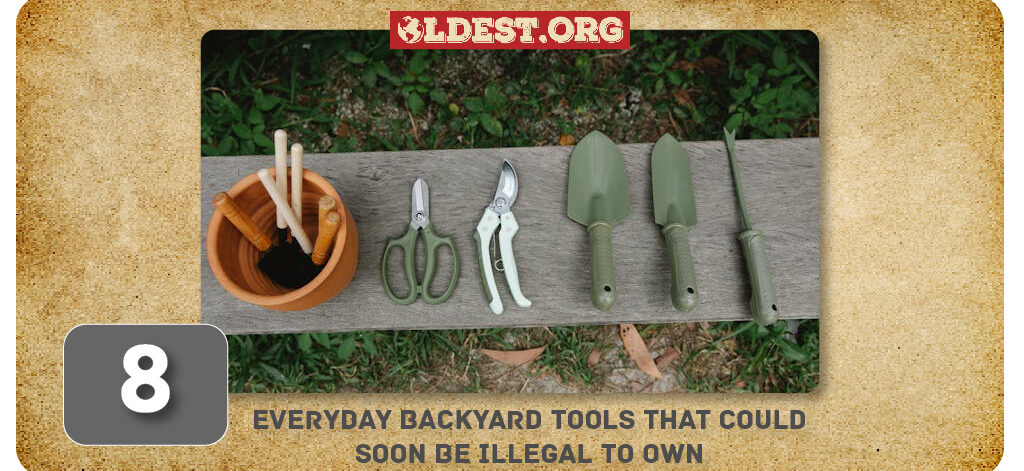
At first glance, the idea that everyday tools used in the backyard may soon be outlawed is alarming, borderline clickbait. As neighborhoods continue to evolve, the concept begins to feel more real. Increasingly stringent noise laws, changing environmental data that redefine policy, multiple years of wildfire risk, and more densely packed neighborhoods are placing incredible amounts of unanticipated stress on the tools individuals have always used and usually take for granted.
This is not about a governmental agency creating new laws restricting people’s ability to have fun or banning the ability to use your private property willy-nilly. It’s primarily about cumulative effects. For instance, a single piece of equipment that makes excessive noise may not be an issue, but when millions of pieces of equipment are used every weekend, it can become a problem. Likewise, a single fire in someone’s backyard may provide warmth and comfort; if thousands of backyard fires occur over a dry, extended period, they create an unforgiving risk.
As these multiple issues continue to arise slowly and steadily, lawmakers will be forced to reconsider whether or not certain tools should remain in the contemporary backyard. Below are eight types of tools that have come under scrutiny, along with reasons their future will likely be far from assured.
Gas-Powered Leaf Blowers Are Becoming Public Enemy Number One
Source: Canva
Gas-powered leaf blowers have become the poster child for backyard regulation, and not without reason. These machines are small, but their environmental footprint is surprisingly large. They produce a disproportionate amount of air pollution for the short time they’re used, and their high-pitched noise travels far beyond property lines. In dense neighborhoods, a single leaf blower can disrupt dozens of households at once.
As cities aim to improve air quality and reduce noise complaints, leaf blowers are often the first target. Electric alternatives now exist that perform the same job with far less pollution and significantly less noise, making it harder to justify keeping gas-powered versions around. Many municipalities are already enforcing bans or planning future phase-outs, making this one of the most realistic examples of everyday backyard tools that could soon be illegal to own.
Gas Lawn Mowers Are Quietly Headed in the Same Direction
Source: Reddit
Lawn mowers feel untouchable. They’re tied to weekend routines, homeownership pride, and the classic image of suburban life. Yet gas-powered lawn mowers face many of the same problems as leaf blowers: emissions, noise, and fuel-related environmental damage. When multiplied across millions of homes, the pollution adds up fast.
Rather than dramatic bans, most regulatory approaches focus on gradual change. New sales restrictions, incentives for electric mowers, and future cutoff dates are becoming common strategies. The goal isn’t to eliminate lawns overnight, but to shift how they’re maintained. As electric mowers improve in power and affordability, gas models are starting to look less like necessities and more like relics of another era.
Charcoal Grills Are Under Fire in Dense and Dry Regions
Source: Canva
Charcoal grills may seem like a surprising entry on a list of everyday backyard tools that could soon be illegal to own, but location matters. In wildfire-prone areas and tightly packed urban neighborhoods, open-flame cooking poses risks beyond personal preference. Smoke affects neighbors with respiratory conditions, stray embers can ignite dry vegetation, and improperly discarded coals have caused real damage.
Most regulations don’t target grilling itself, but rather the when and where of it. Seasonal bans during dry months, restrictions in apartment complexes, and permit requirements are becoming more common. The future of backyard grilling likely isn’t disappearing, but it’s definitely becoming more controlled and situational.
Chemical Weed Killers and Sprayers Are Facing a Reckoning
Source: Canva
Weed control tools often fly under the radar, but chemical sprayers are increasingly controversial. Many substances designed to kill weeds don’t stay confined to lawns. Rain and irrigation carry chemicals into soil and water systems, where they affect insects, wildlife, and even drinking water sources. Long-term exposure risks are also being reevaluated as research evolves.
As a result, regulators are reconsidering whether homeowners should have unrestricted access to certain herbicides. Some chemicals may be banned outright, while others could require licensing or professional application. Backyard weed management is slowly shifting toward natural, low-impact approaches, and tools that rely on heavy chemical use may not survive that transition.
Many fun pastimes have faded with time—see some backyard activities not allowed anymore and how childhood play has changed.
High-Powered Pressure Washers Are Drawing Water and Pollution Concerns
Source: Canva
Pressure washers feel like harmless cleaning tools, but high-powered models raise several red flags. In drought-affected regions, excessive water use is already a sensitive issue. Add chemical detergents and runoff filled with oil, grime, and residue, and pressure washing becomes more than a cosmetic chore. It becomes an environmental concern.
Cities are beginning to look at limiting water pressure, regulating chemical additives, or restricting use during water shortages. While pressure washers won’t vanish overnight, their unrestricted use may not remain acceptable in areas facing long-term water stress.
Backyard Fire Pits and Burn Barrels Are Losing Their Free-Pass Status
Source: Canva
Fire pits exploded in popularity over the past decade, becoming symbols of relaxation and outdoor living. But as wildfire seasons grow longer and air quality worsens, backyard fires are no longer viewed as harmless ambiance. Smoke doesn’t respect fences, and even small fires can pose serious risks under the wrong conditions.
Many communities now enforce burn bans during dry seasons, restrict what materials can be burned, or require spark arrestors and safety equipment. The trend suggests that backyard fires are shifting from casual recreation to regulated activity, much like fireworks did years ago.
Chainsaws Are Likely to Face Licensing or Training Requirements
Source: Canva
Chainsaws occupy a gray area among everyday backyard tools that could soon be illegal to own. If not illegal then at least restricted. The concern isn’t ownership itself, but untrained use. Chainsaw injuries are often severe, and improper tree removal can damage property, power lines, and ecosystems.
Rather than banning chainsaws outright, future regulations are more likely to require safety training, certification, or permits for residential use. This approach reflects a broader trend of regulating high-risk tools without eliminating them entirely.
Pesticide Foggers and Bug Bombs Are Becoming Harder to Justify
Source: Canva
Bug foggers promise quick, easy pest control, but their impact extends far beyond the intended target. These tools often kill beneficial insects, drift into neighboring properties, and pose health risks to pets and people when misused. Environmental and health agencies have increasingly warned against their overuse.
As pest control moves toward precision and prevention rather than saturation, foggers are starting to look outdated. Some regions may restrict or ban residential versions in favor of safer, targeted alternatives.
What This Shift Means for the Future of Backyards
Source: Canva
The growing conversation around everyday backyard tools that could soon be illegal to own isn’t about eliminating outdoor life. It’s about redefining it. Backyards are no longer isolated spaces; they’re part of shared environments where noise, air, fire, and water affect everyone nearby.
Electric tools, native landscaping, low-impact pest control, and smarter water use are becoming the new norm. As these alternatives improve, resistance to change weakens. What once felt essential now feels unnecessary.
For a nostalgic look at past pastimes, check out things you could do in the ’50s and how everyday life once differed.
Final Thoughts: Evolution, Not Erasure
Although it is simple to see these changes as restrictions, they should be viewed instead as an evolution. Several of the tools we use today to make our everyday lives easier may have made sense when they were first created (many years ago), but may not actually meet the needs of today’s society. As the world becomes more environmentally aware and more connected, so too do our expectations of one another.
The fact that some everyday tools found in people’s backyards are not able to be owned by the general public any longer speaks to how rapidly the world is changing. Future backyards will still contain people and their families enjoying themselves, just they won’t have the noise/chaos associated with their enjoyment. Instead, future backyards will place greater emphasis on being quiet, clean, and intentional. In the end, this is probably a good trade.
The post 8 Everyday Backyard Tools That Could Soon Be Illegal To Own appeared first on Oldest.org.