Human beings are nothing if not stubbornly ambitious. You could give us a sheer cliff face, desert, or an unstable swamp, and our first instinct isn’t to back away but to ask, “Where do we put the plumbing?”
Before we had modern steel, concrete, and heavy machinery, human civilizations were laying down foundation stones in places that had no business hosting human habitation. They were constructing metropolises on shifting wooden stilts above water; can you imagine?
Below are 15 such cities that defied nature and were built in impossible locations, bound to render you speechless.
1. Venice, Italy
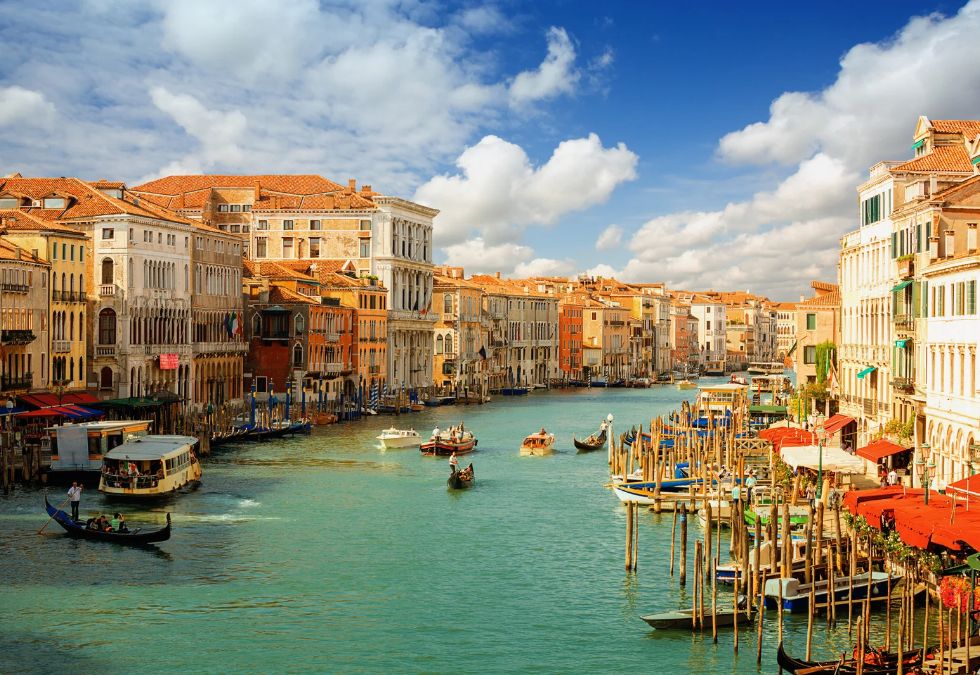
Settlers built Venice atop liquid marshland by driving millions of pine and larch trunks into compressed silt beneath the lagoon. Completely submerged in oxygen-depleted mud, the timber petrified into a stone-like foundation rather than rotting. Upon these submerged pillars, engineers laid limestone platforms and constructed grand marble palaces. Venice transformed a flood-prone swamp into a towering maritime power.
2. Petra, Jordan
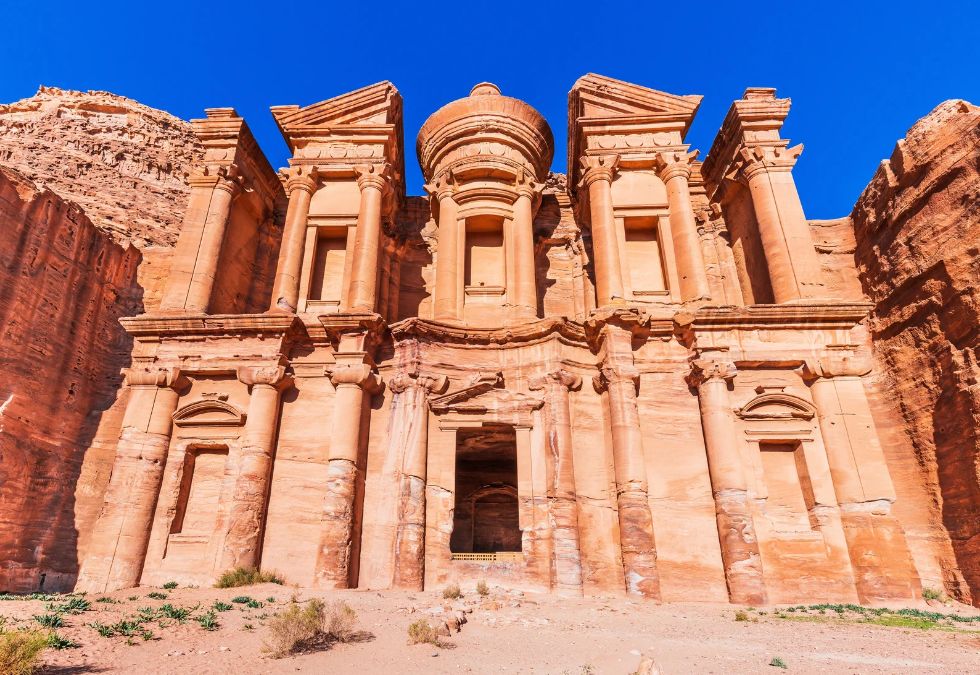
Petra is a city sculpted straight into the red sandstone canyon walls over two millennia ago. The Nabataeans conquered this brutal climate through master hydrology, constructing a complex network of hidden dams, cisterns, and stone aqueducts. By capturing erratic flash floods and storing water for year-round survival, they transformed a barren, life-threatening gorge into a wealthy trade hub.
3. Shibam, Yemen
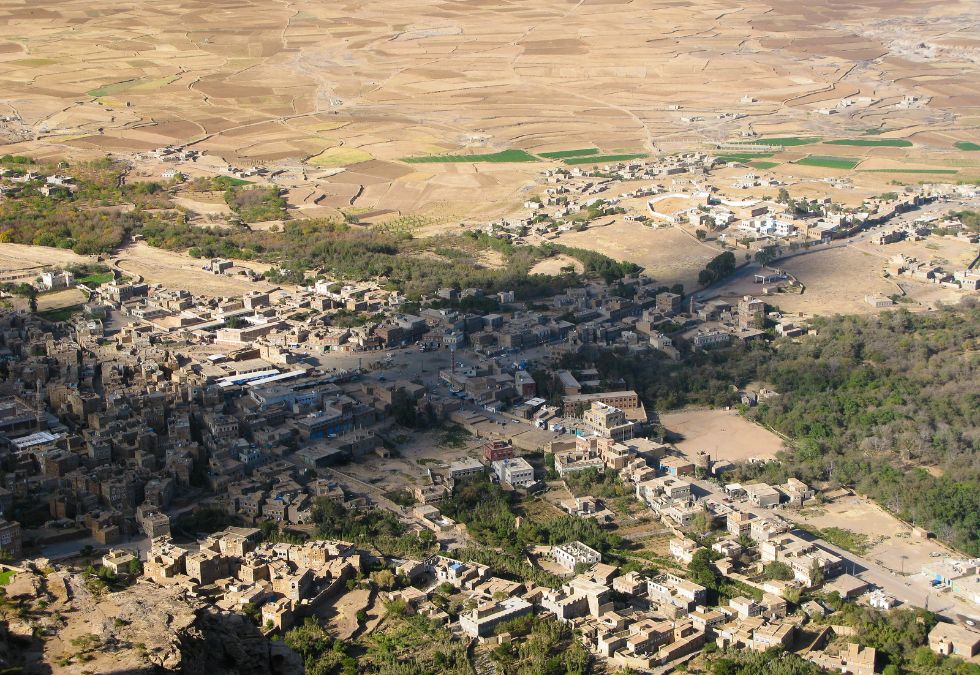
Shibam features soaring eight-story apartment towers crafted entirely from sun-dried mud bricks and straw. Built closely together in the 16th century to provide shade and defense, these ancient skyscrapers require a fresh coat of lime plaster annually to prevent rain and heat from melting them. Shibam stands as one of humanity’s earliest and most daring establishments, rising dramatically out of the arid Wadi Hadhramaut floodplain.
Follow us on MSN for more!
4. La Paz, Bolivia
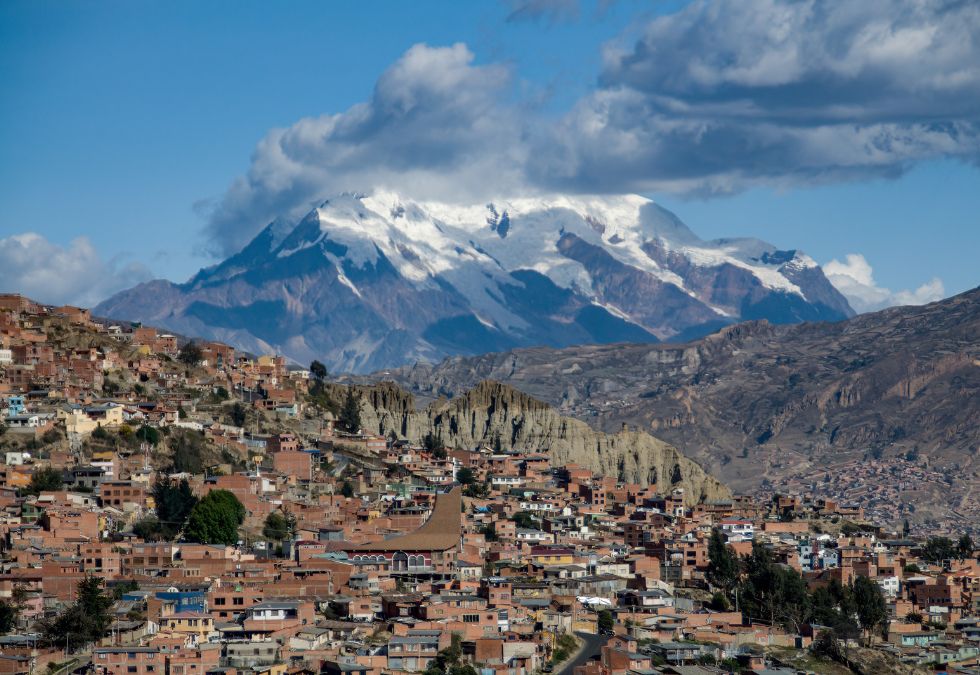
To master the steep, vertical landscape, the city introduced Mi Teleférico, the world’s highest urban cable car network. Functioning as a subway in the sky, it glides commuters over breathtaking ravines, turning a logistics nightmare into an effortless daily transit system built right over the mountain peaks. It is located in a jagged Andean canyon up to 4,000 metres above sea level.
5. Meteora, Greece
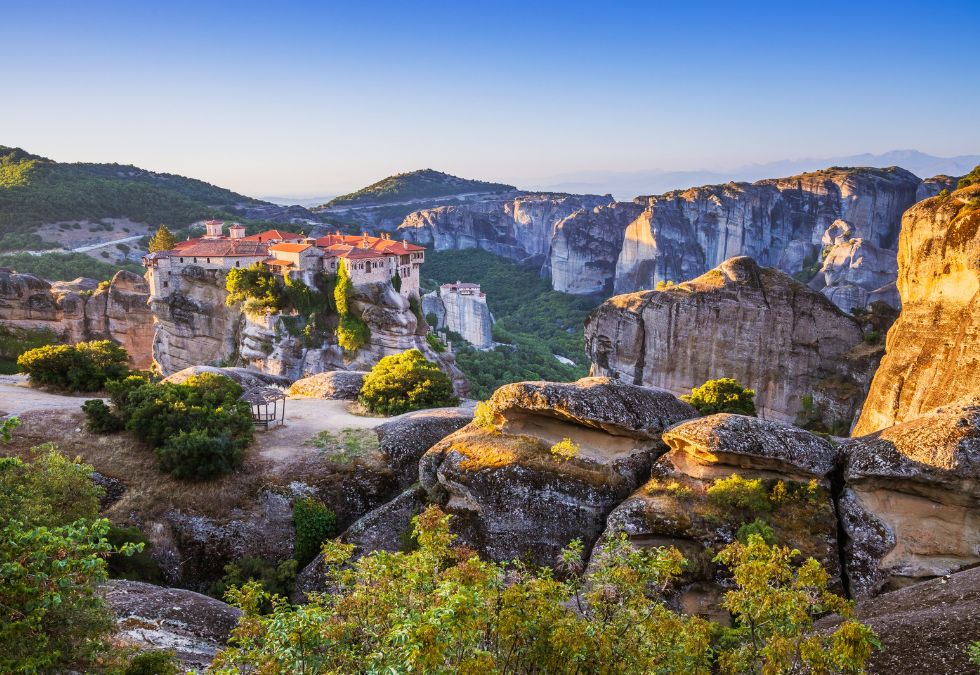
Meteora, located atop stone pillars in central Greece, was established in the 14th century by monks seeking absolute isolation. Building these sky-high sanctuaries required hauling materials up piece by piece using nets and hand-winched ropes. Reconciling with sheer vertical cliffs, the monks lived completely suspended above the valley floor, accessible only by long wooden ladders that were pulled up at the first sign of external danger.
6. Coober Pedy, Australia
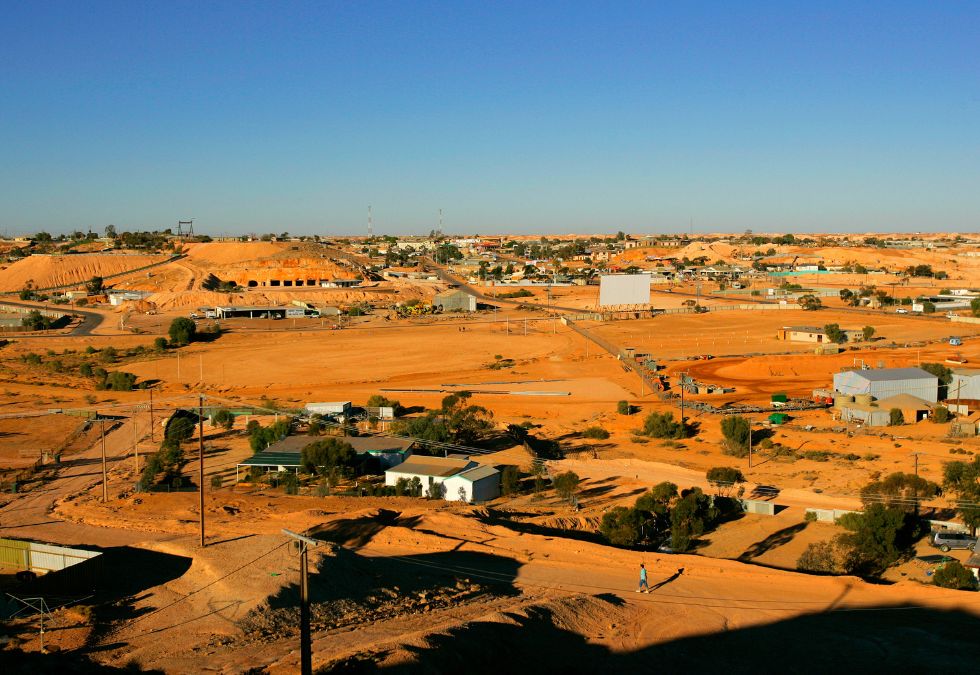
In the blistering Outback of South Australia, summer temperatures routinely exceed 45°C, making surface living nearly unendurable. Miners seeking opals in the early 20th century solved this by carving an entire town underground into the soft sandstone. These are named “dugouts” where subterranean homes, churches, and shops remain at a comfortable 23°C year-round without air conditioning. It is astonishing to think that there is a thriving community beneath a seemingly barren desert floor.
From perfectly balanced ecosystems to incredible natural patterns, these fascinating facts reveal how nature works in ways that often seem too perfect to be real.
7. Amedi, Iraq
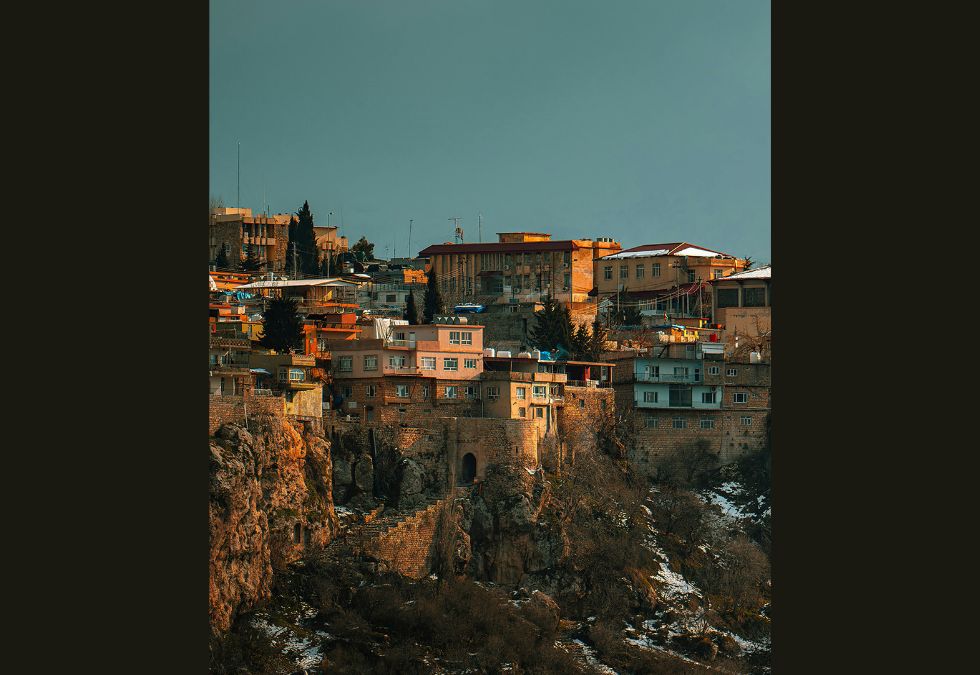
Sitting proudly on top of an isolated, flat-topped mountain peak in Iraqi Kurdistan, the 5,000-year-old city of Amedi is encircled by sheer 1,000-foot drops. Historically accessible via a single narrow stone staircase, this natural mesa formed an impregnable mountain fortress. Space on the plateau was so tightly constrained that stone houses were built directly onto the precipice, creating a dense, self-contained city.
8. Santorini, Greece
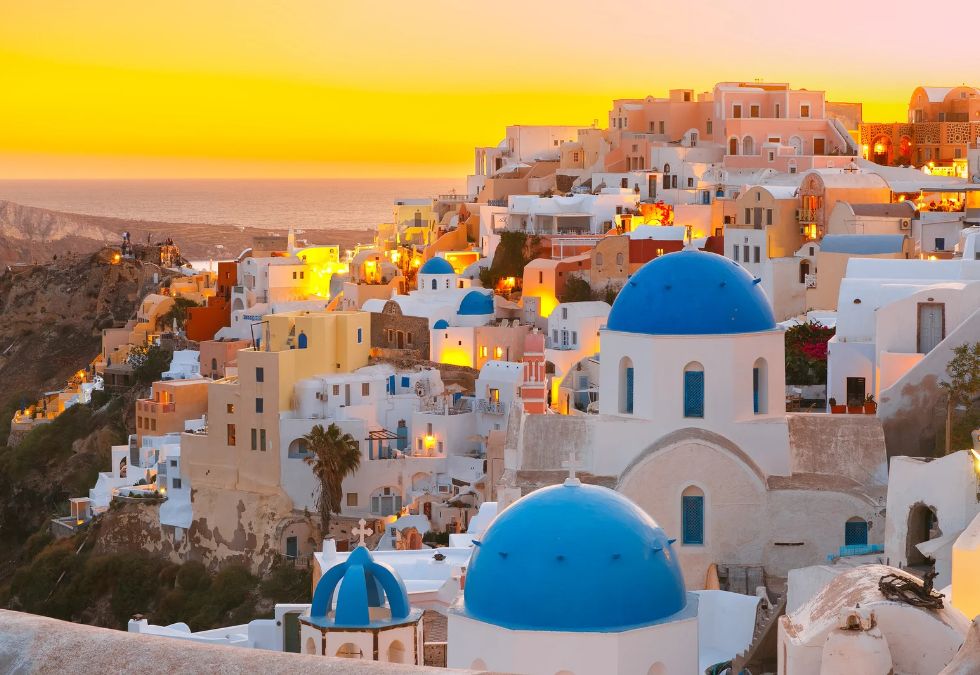
The iconic white homes of Santorini cling precariously to the razor-thin, near-vertical cliffs of an active volcanic crater submerged in the Aegean Sea. Following a colossal ancient eruption, islanders adapted by digging cave homes, known as yposkafa, straight into the soft volcanic ash deposits. The main purpose of these cliffside structures is that they provide natural insulation against winter winds and scorching summer days.
9. Mesa Verde, USA
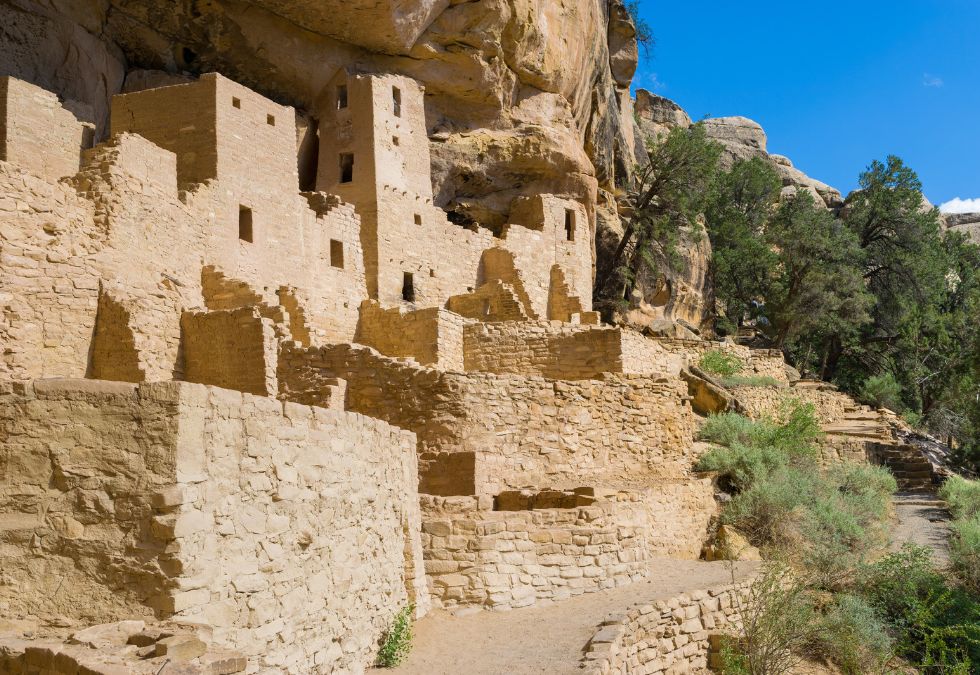
The Ancestral Puebloans built extraordinary sandstone villages in the high-desert canyons of Colorado, directly beneath massive natural cliff overhangs between 1190 and 1280 AD. The rock roof provided brilliant natural temperature control, blocking intense summer heat while absorbing low winter sunlight. These are only accessible by steep hand-and-toe holds carved into the sheer rock. They provided safety and shelter in an unforgiving, brutal landscape.
10. Al Hajjarah, Yemen
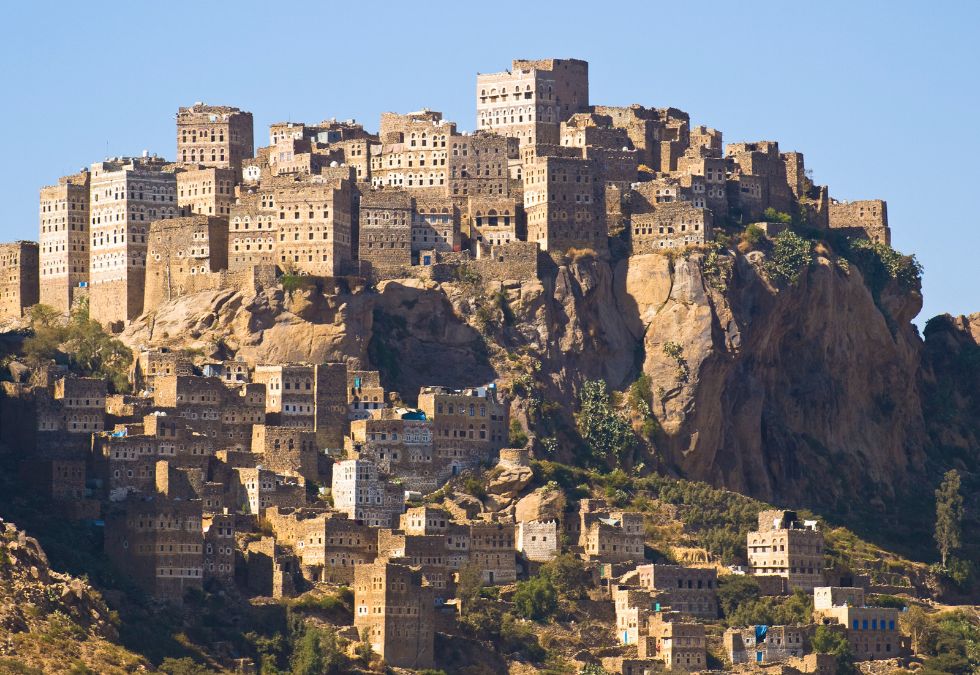
Al Hajjarah, located in the Haraz Mountains, seems to sprout naturally out of the bedrock. It was constructed in the 12th century from massive unmortared stone blocks quarried on-site, wherein the outer walls of these multi-story houses double as defensive battlements hanging over terrifying drops. With grain silos and water cisterns engraved directly into the mountain core, this aerial stronghold successfully weathered centuries of isolation and sieges.
11. Mont Saint-Michel, France
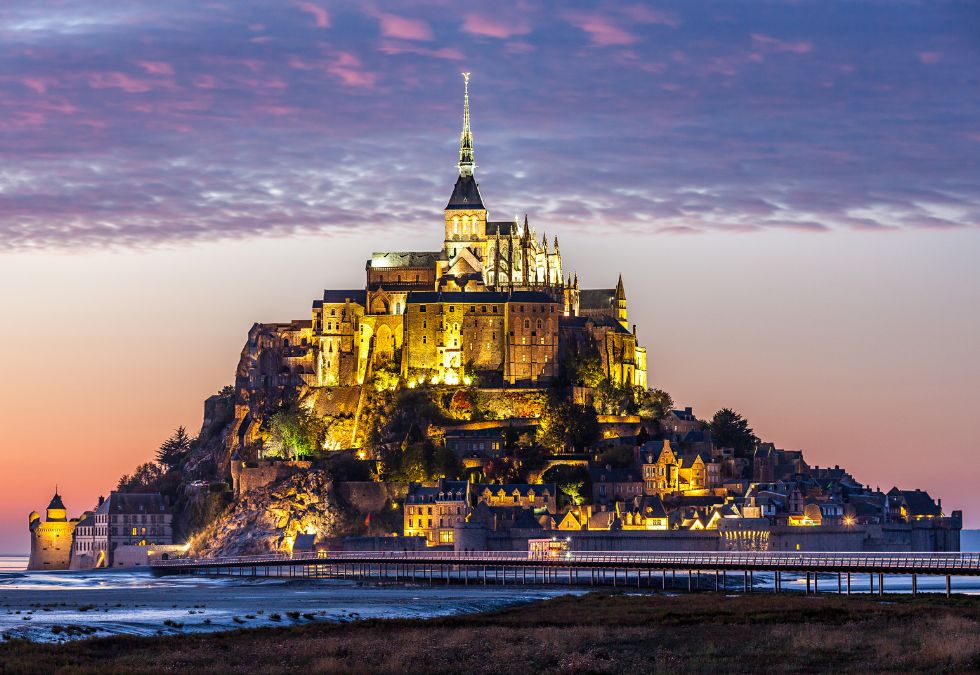
Mont Saint-Michel, located in a rocky island off Normandy, is shaped by dramatic ocean tides that rapidly transform it from a dry sand expanse into an isolated sea fortress. Medieval builders pulled off an engineering feat by stacking a soaring Gothic abbey on the steep granite outcrop. It is surrounded by treacherous shifting quicksands and rushing waters. Also, this island retreat repelled invaders for centuries through its unique coastal geography.
Nature can create scenes that look almost unreal, and these stunning photographs capture rare moments, incredible patterns, and breathtaking views that are hard to believe are real.
12. Cuenca, Spain
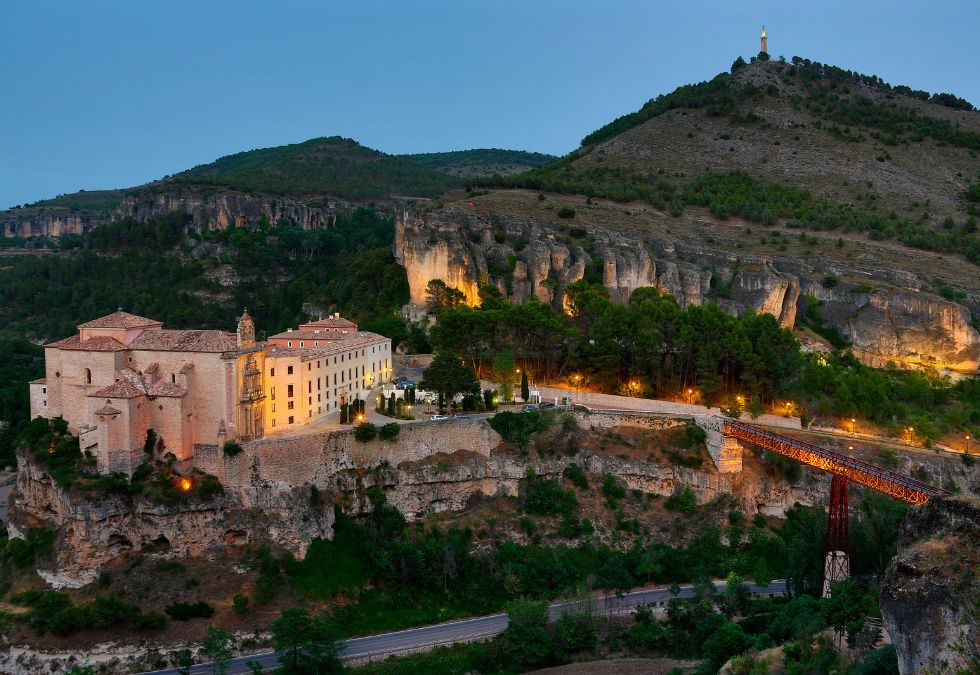
Cuenca, located along a narrow, high-altitude ridge between two deep river gorges, ran out of flat building ground during the Middle Ages. Builders boldly extended houses outward over the gorge, creating the famous Casas Colgadas (Hanging Houses). It is anchored by heavy timber cantilever beams driven deep into the cliff face and these multi-story wooden balconies hang directly over vertical drops of hundreds of feet, standing securely since the 15th century.
13. Gibraltar, Spain
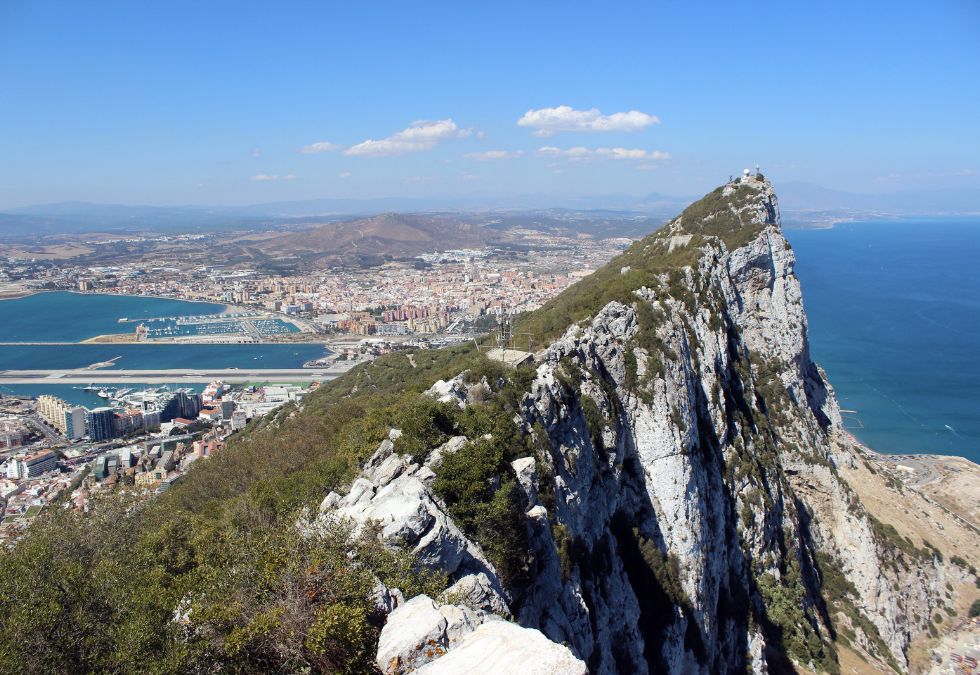
Gibraltar forced engineers to think inside the box, literally. To secure and supply this legendary naval stronghold, workers spent centuries carving a massive subterranean city within the mountain itself. Containing over 34 miles of interconnected tunnels, barracks, hospitals, and water systems, Gibraltar conquered an impossible mountain terrain by building an entire fortress hidden inside solid rock.
14. Tenochtitlan, Mexico

The Aztec capital of Tenochtitlan, founded in 1325 in the middle of shallow Lake Texcoco, was constructed where no dry land existed. Engineers created chinampas, artificial floating islands built from mud and reeds anchored by tree roots, to produce farmland and build foundations. It is linked to the mainland by grand stone causeways and equipped with complex flood-control dikes and the city grew into one of the ancient world’s most brilliant metropolises.
15. Dubrovnik, Croatia
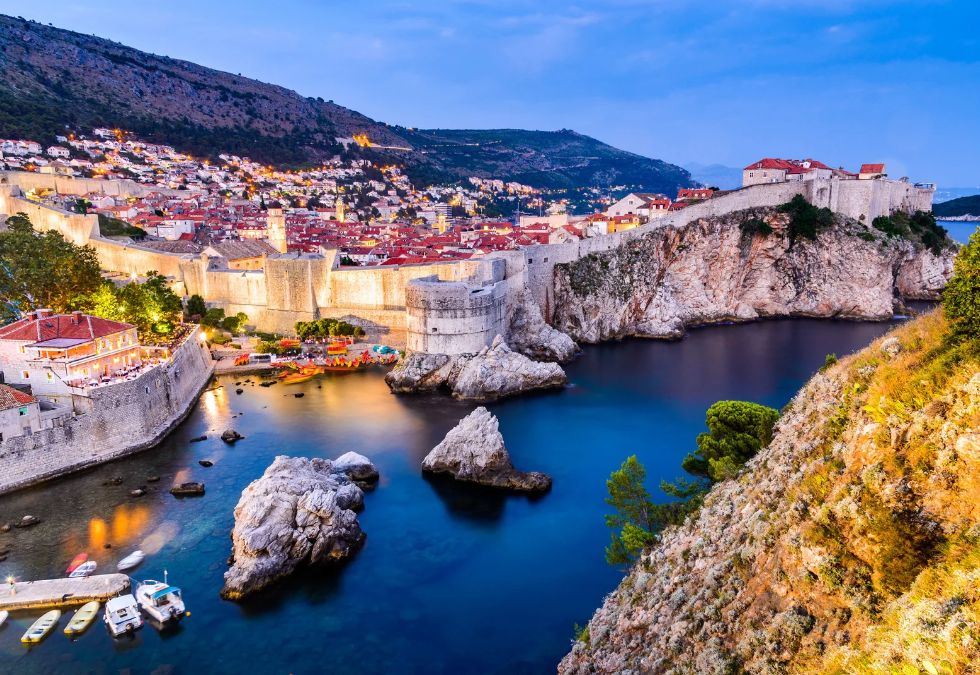
Dubrovnik was built to defy fierce ocean storms and hostile navies. The city relies on massive stone walls up to 80 feet tall constructed directly onto coastal rocks. Urban planners adapted to the steep, sloped terrain by designing a terraced layout linked by thousands of stone stairs, supported by advanced rainwater cisterns that kept the sea fortress thriving.
From glowing waters to unusual weather events, some natural phenomena occur only in specific parts of the world, revealing just how extraordinary and diverse our planet can be.
Final Words
Exploring more about these 15 cities explain that human settlement has rarely been about picking the easiest path. It has been about resourcefulness, survival, and a refusal to let nature have the final say. A look at these cities is proof of human imagination and how far we are willing to go to make a place habitable. In short, we reimagine what’s possible.
The post 15 Cities That Defied Nature and Were Built in Impossible Locations appeared first on Oldest.org.