The calm and romantic images of the following paintings are in stark contrast to the terrible suffering that lies beneath the surface. These paintings tell a different story of suffering, including personal and historic tragedy.
1. The Starry Night – Vincent van Gogh (1889)
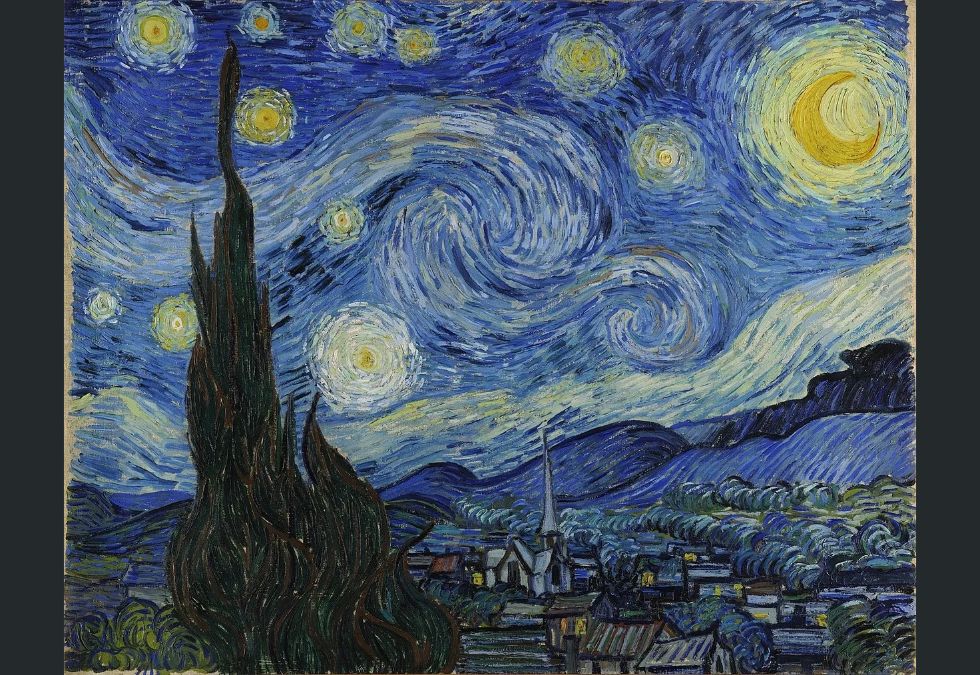
Van Gogh created it when he was a patient at the Saint-Paul-de-Mausole asylum in France following a mental breakdown. Its turbulent sky is lovely, though the artist was quite ill and had very limited freedom.
2. Guernica – Pablo Picasso (1937)
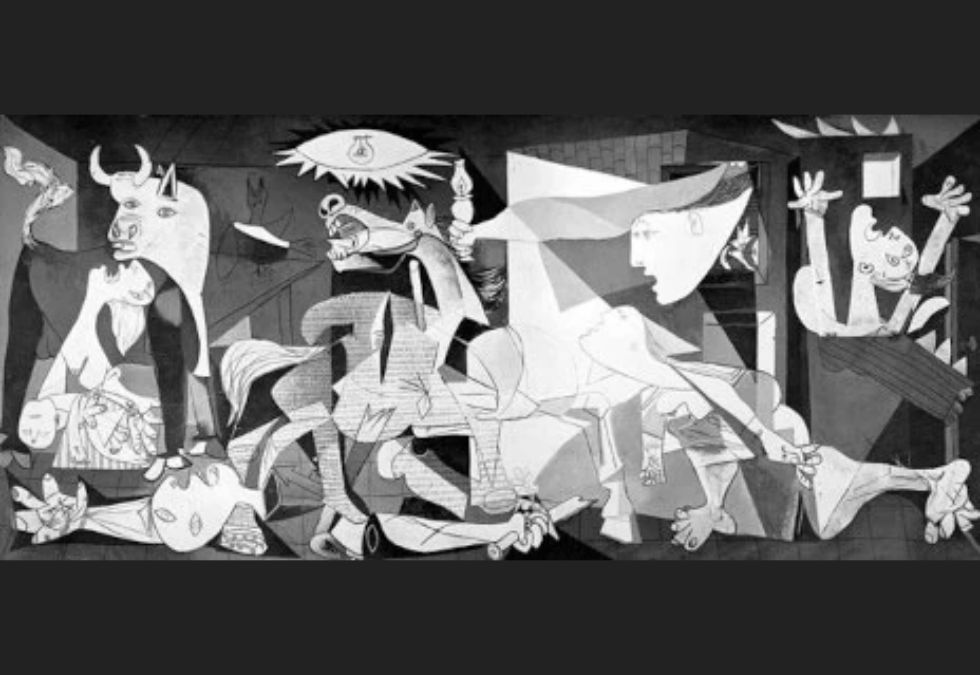
Picasso’s Guernica portrays the destruction of a Spanish town in the Spanish Civil War. The haunting faces and contorted bodies evoke the agony inflicted when German and Italian planes bombed the residents.
3. Christina’s World – Andrew Wyeth (1948)
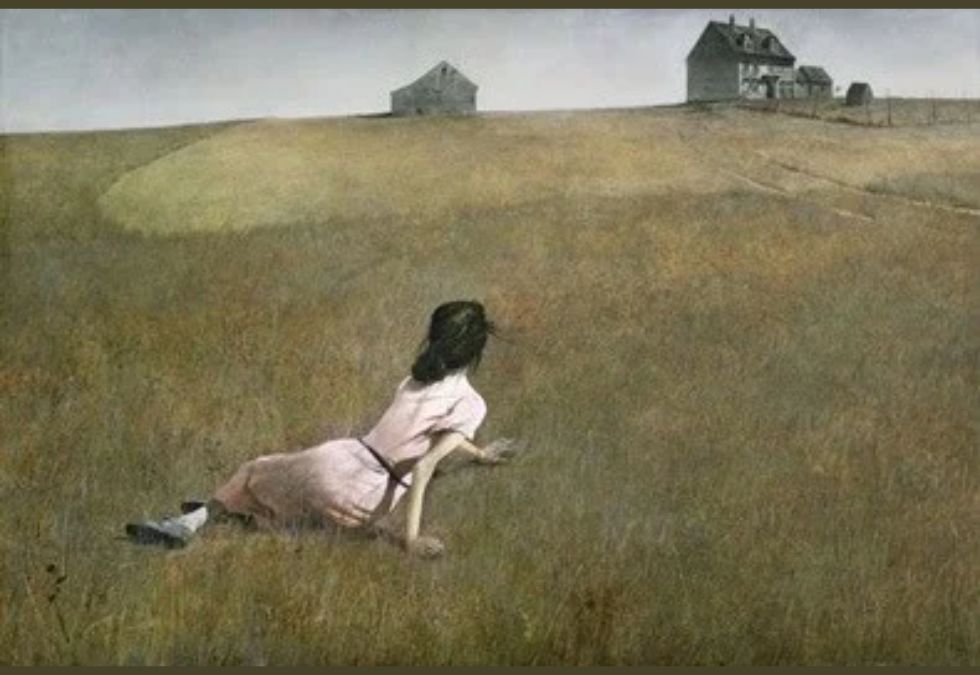
The woman in Christina’s World was Christina Olson, who suffered from a disease that disabled her to the point she could barely walk. Christina moved by arm, and Wyeth has painted her with the same unwavering energy, staring toward a farm house.
Follow us on MSN for more!
4. The Raft of the Medusa – Théodore Géricault (1819)
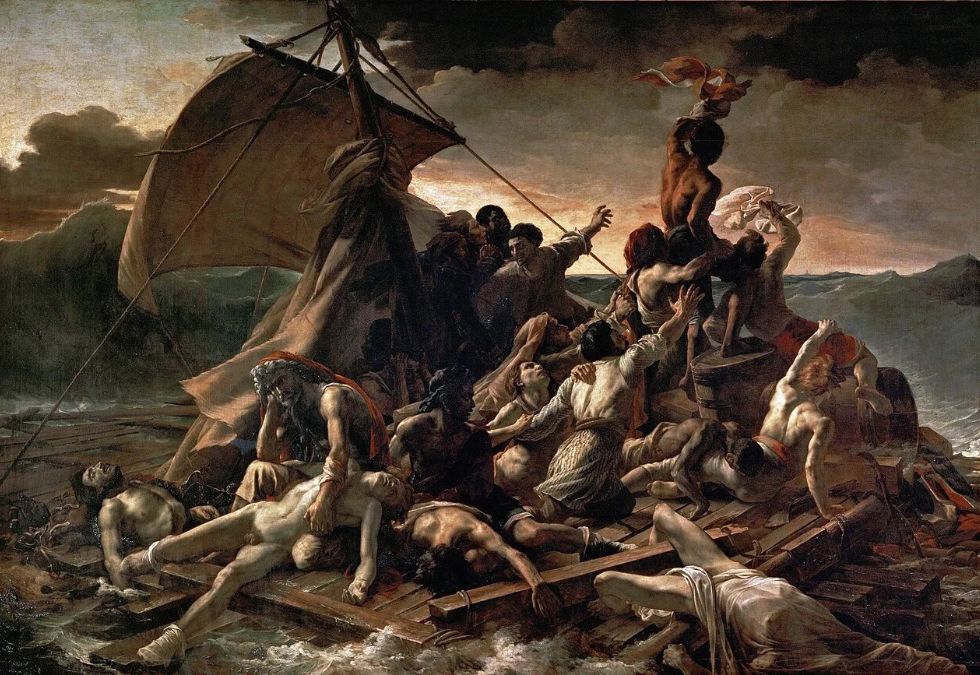
It shows survivors abandoned on a raft following the sinking of the French frigate Méduse in 1816. The survivors were stranded for 13 days and were subjected to starvation, violence, and cannibalism.
5. The Broken Column – Frida Kahlo (1944)
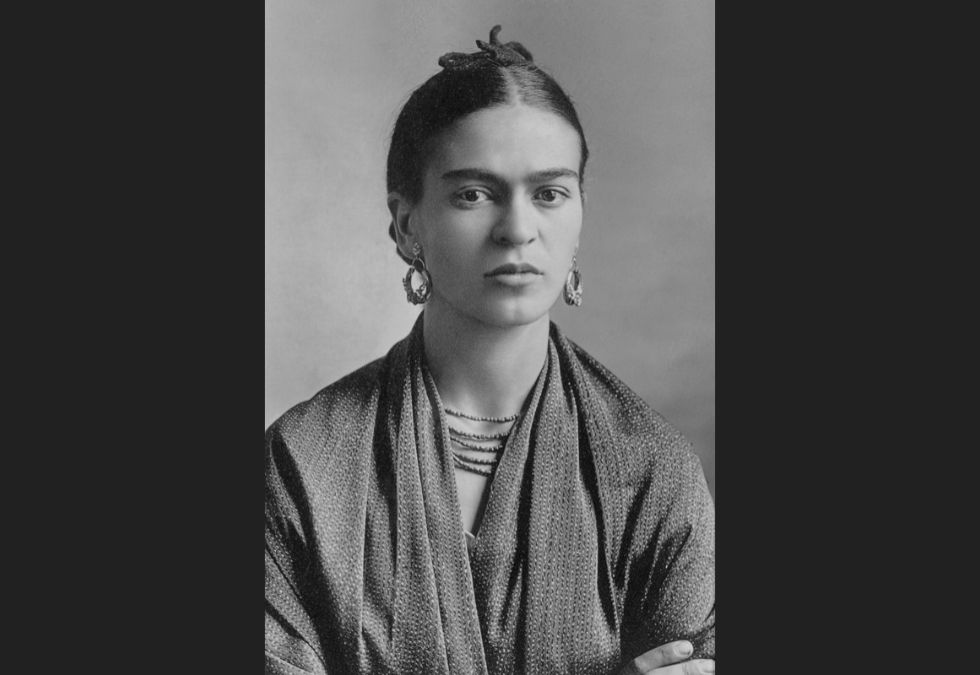
The painting is supposed to depict a fractured column – Kahlo’s injured spine. She suffered her injuries after being in a bus crash when she was young and endured ongoing pain and wore a brace while recuperating.
6. The Scream – Edvard Munch (1893)
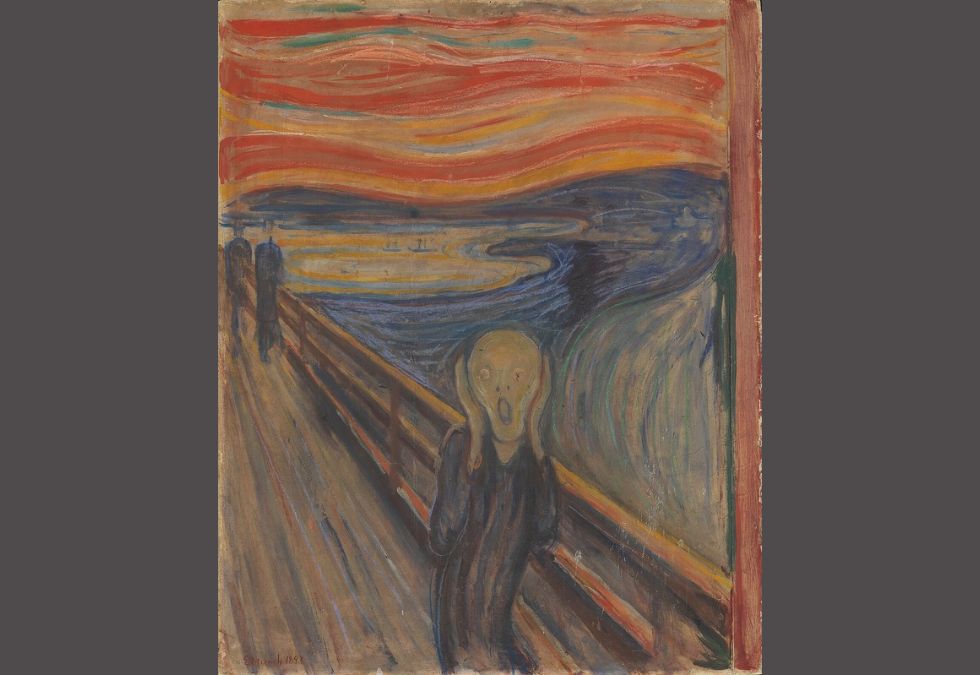
In Munch’s most famous painting, a figure has its face in its hands under a fiery red-orange sky. This work of art was inspired by a moment of extreme anxiety while on the brink of Oslofjord, transforming an ordinary landscape into an extraordinary symbol of mental illness.
Explore random photos from throughout history that capture unforgettable moments, everyday life, and fascinating glimpses into the past.
7. Death of Marat – Jacques-Louis David (1793)
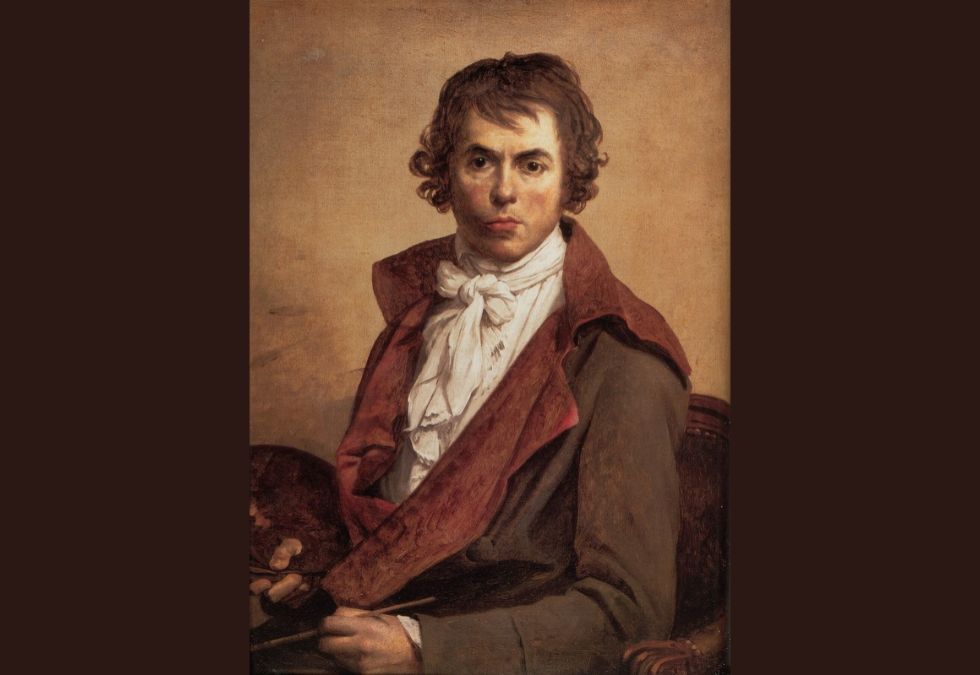
Jean-Paul Marat, who is apparently resting peacefully in this image, was a notorious revolutionary leader who advocated for bloodshed during the French Revolution’s Reign of Terror. He was famously stabbed to death in his bath by Charlotte Corday, who opposed his political role.
8. Ophelia – John Everett Millais (1852)
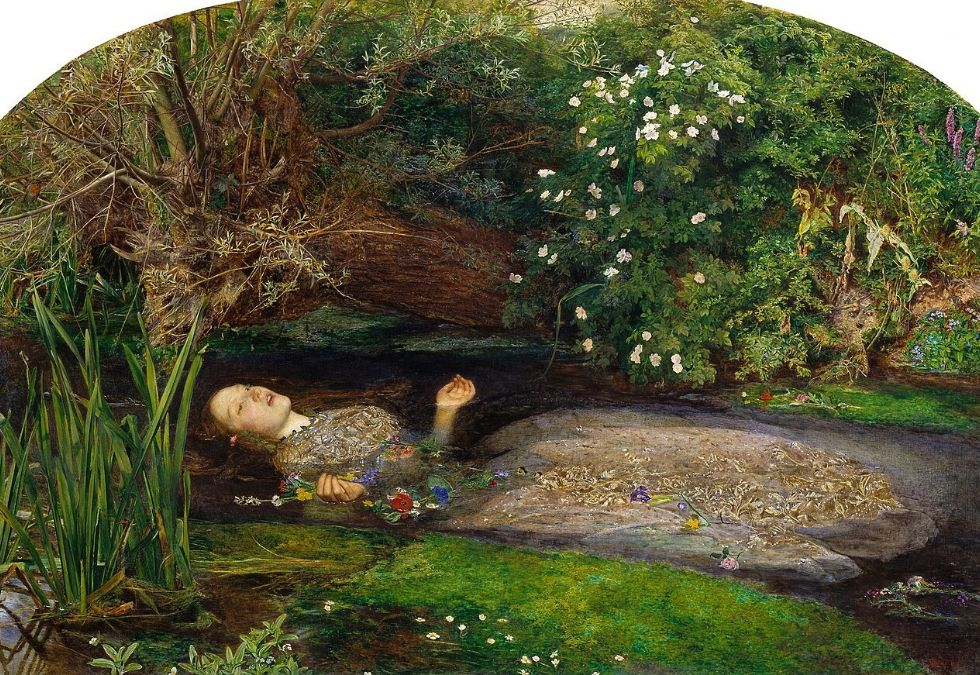
The tragic figure of Shakespeare’s heroine appeared to be floating among the flowers before she had drowned. Model Elizabeth Siddal had to lie in a bath filled with water for hours at a time. Rumours spread that she had fallen seriously ill during the session, adding yet more tragedy to the painting’s history.
9. Ivan the Terrible and His Son Ivan – Ilya Repin (1885)
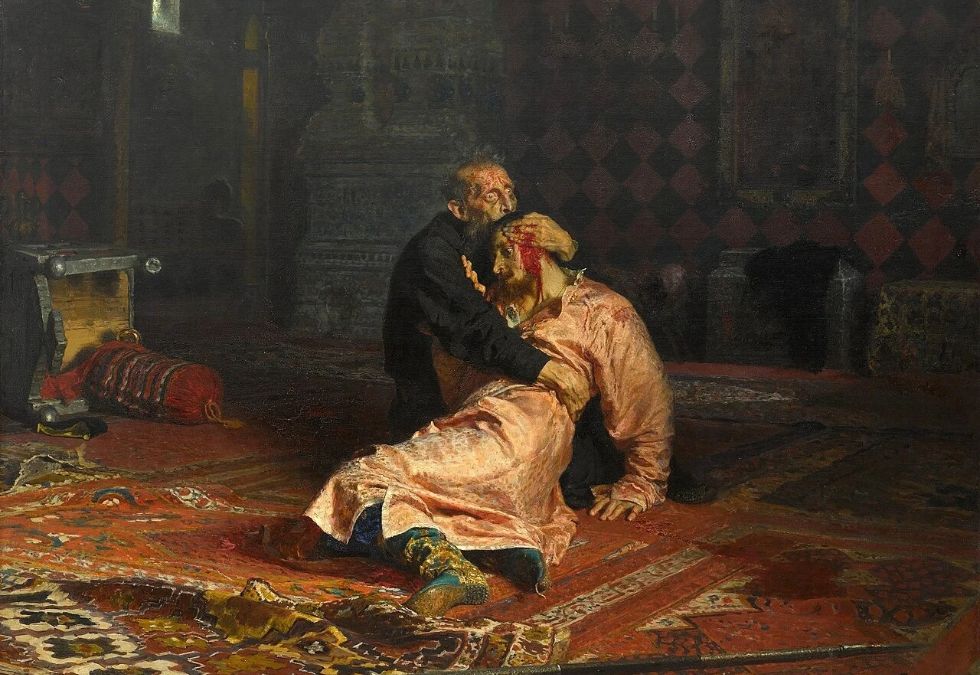
Terrible and His Son The father sits horror-stricken after shooting his son during an almighty rage. Repin embodies the moment when the father recognizes the terrible deed he has committed.
10. Whistler’s Mother – James McNeill Whistler (1871)
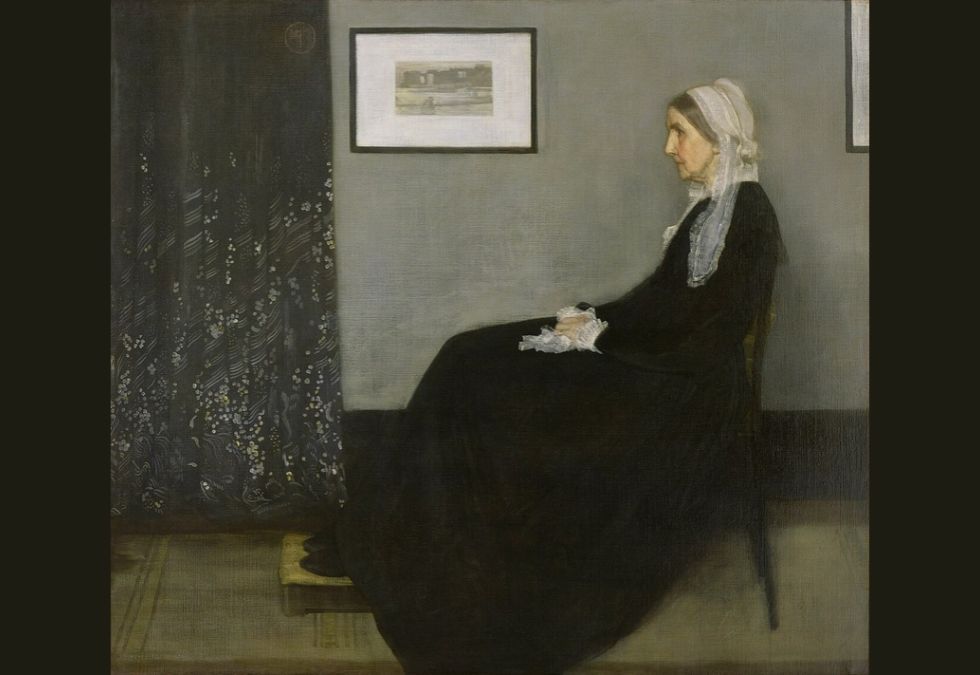
Though the subject of the portrait, Anna McNeill Whistler, appears still, her life was marred by loss and turmoil. She emigrated from the United States during the Civil War, then moved to London with her son, artist James McNeill Whistler.
11. American Gothic – Grant Wood (1930)
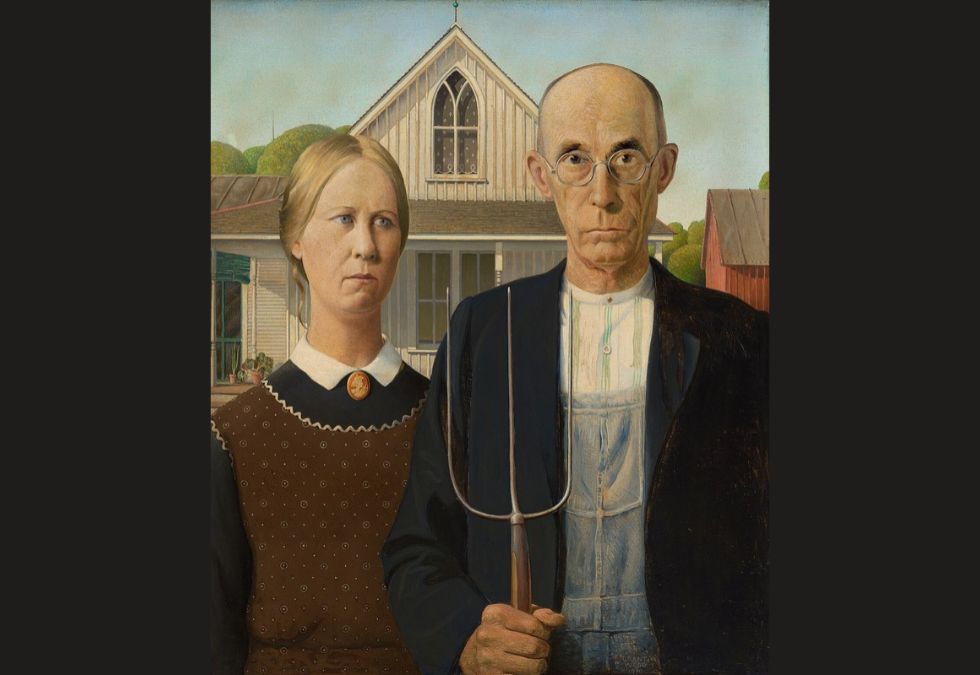
Wood’s painting shows two grim-faced individuals on the steps of a farmhouse. He painted the piece during the Great Depression, giving it ties to rural American life while families struggled financially. Wood used his sister and dentist as models.
Discover the oldest paintings in the world and explore how early artists used simple tools and colors to leave their mark on history.
12. The Gross Clinic – Thomas Eakins (1875)
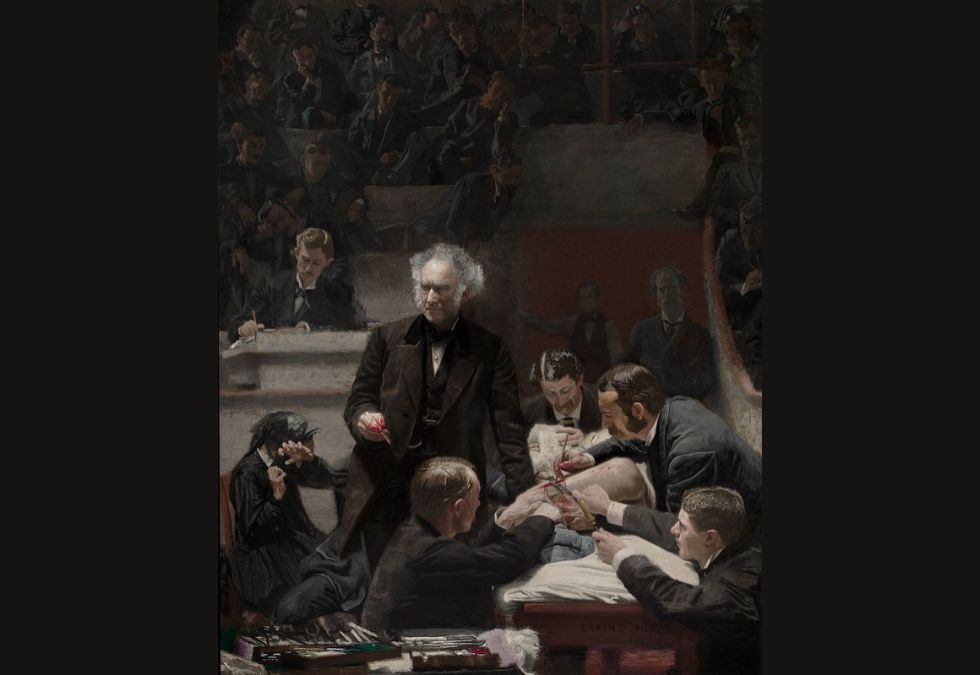
In this painting, a surgeon is performing surgery in front of a class of students. A woman at the bottom of the painting appears horrified, which reminds us that nineteenth-century surgery was uncertain and often dangerous because infections could spread.
13. The Fighting Temeraire – J. M. W. Turner (1838)
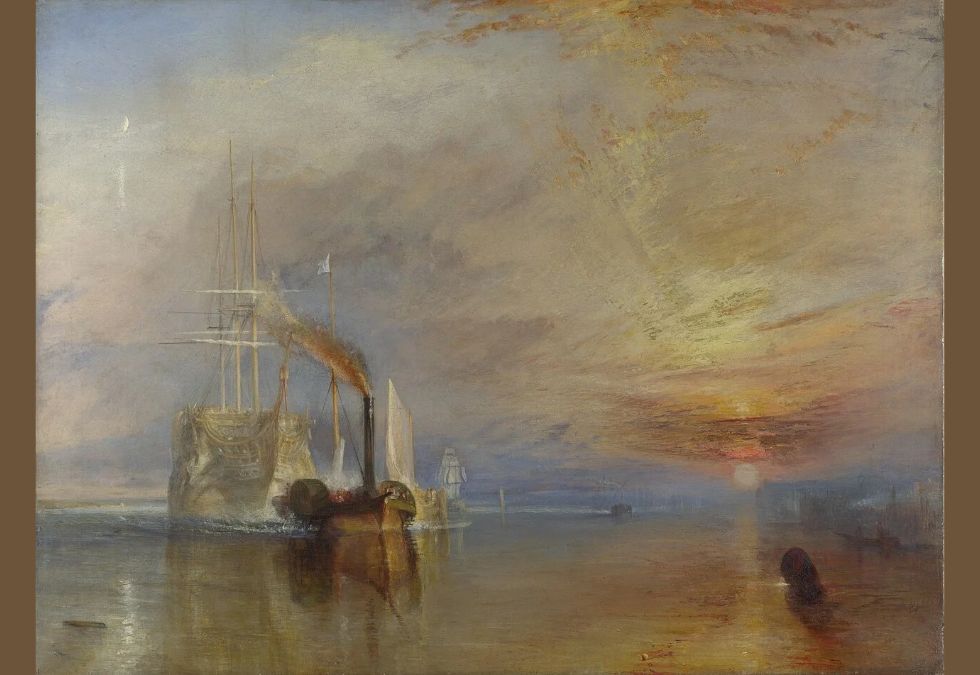
Turner’s painting depicts an aged warship being led away to be broken up. Once a hero of the Battle of Trafalgar, the Temeraire symbolizes the passing of the age of sail and the ascension of industrial technology.
14. The Anatomy Lesson of Dr. Nicolaes Tulp – Rembrandt (1632)
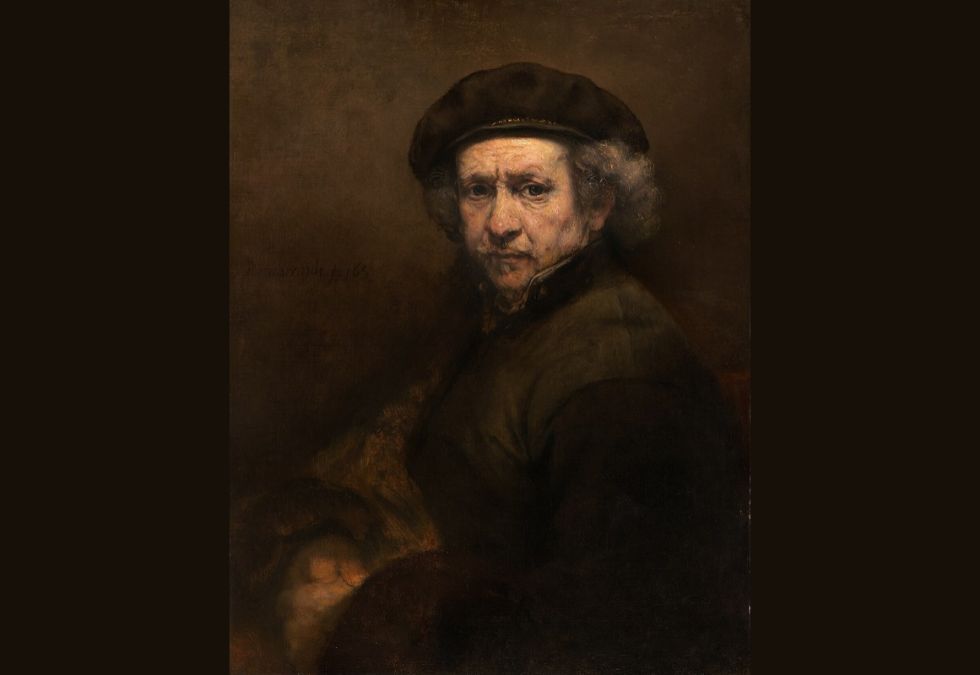
Rembrandt shows doctors practicing on a human arm at a public dissection. The body was that of Adriaan Adriaanszoon, who was hanged for theft. The bodies of executed criminals could be used in dissections at the time.
15. Las Meninas – Diego Velázquez (1656)
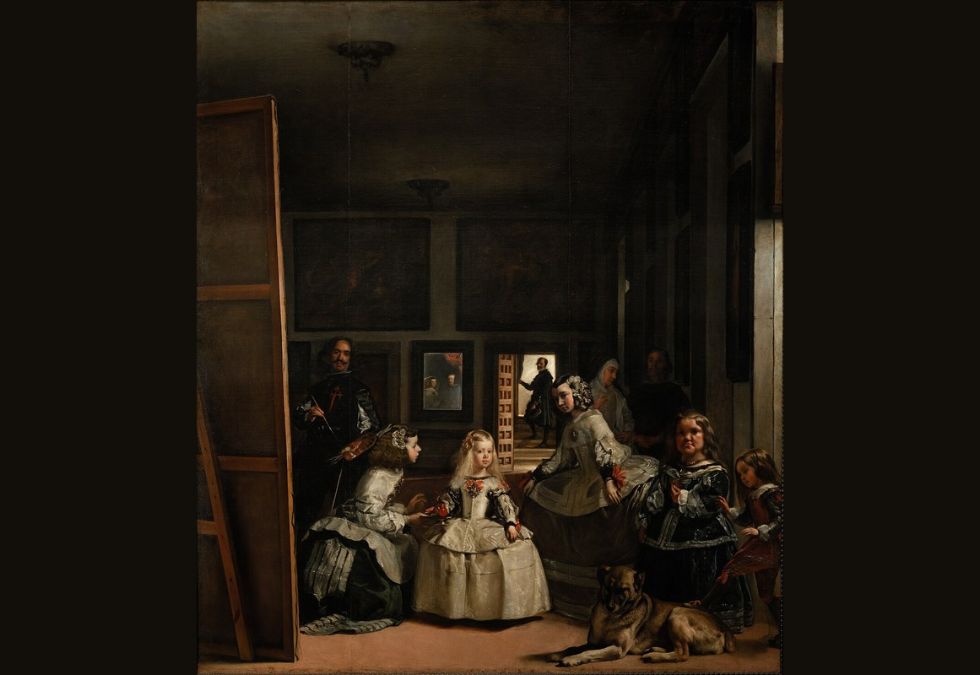
Veláquez’s work is of a young Princess Margaret Theresa at the Spanish royal court. Her early life was dominated by royal marriage prospects, and she married her uncle, Leopold I. She experienced a number of severe illnesses, and died aged just 21.
Art has always reflected the world around us, and some masterpieces have become priceless treasures. Discover the most expensive paintings ever sold throughout history.
16. At the Eternity’s Gate – Vincent van Gogh (1890)
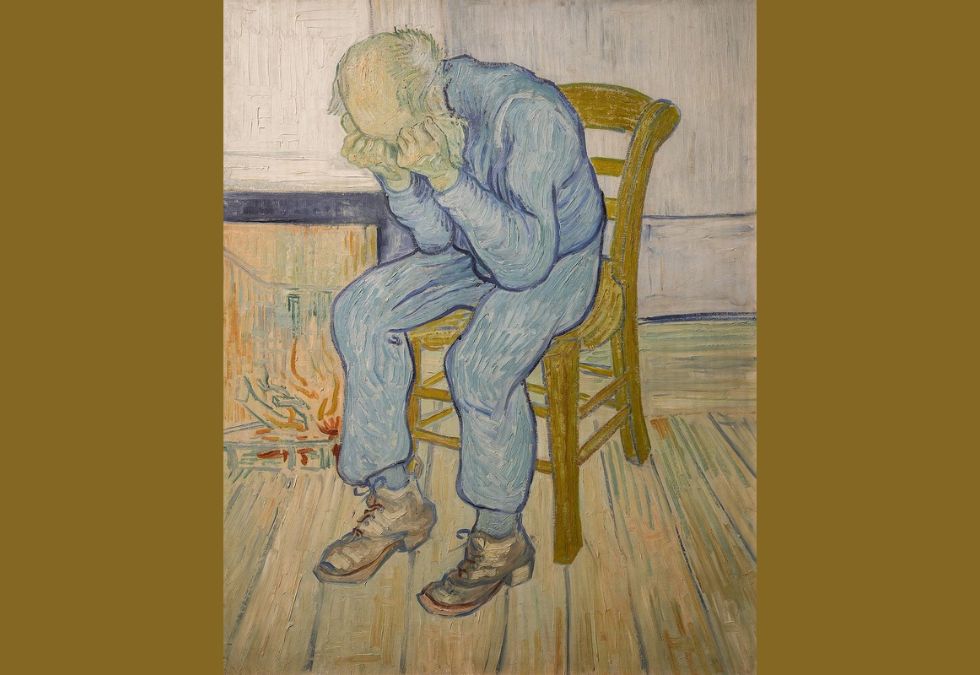
In this painting, an old man sits on a chair, head bowed, hands covering his face. This piece was painted during a tough time in Van Gogh’s life and reflects misery and fatigue. It has been linked to his battle with mental illness.
17. The Night Watch – Rembrandt van Rijn (1642)
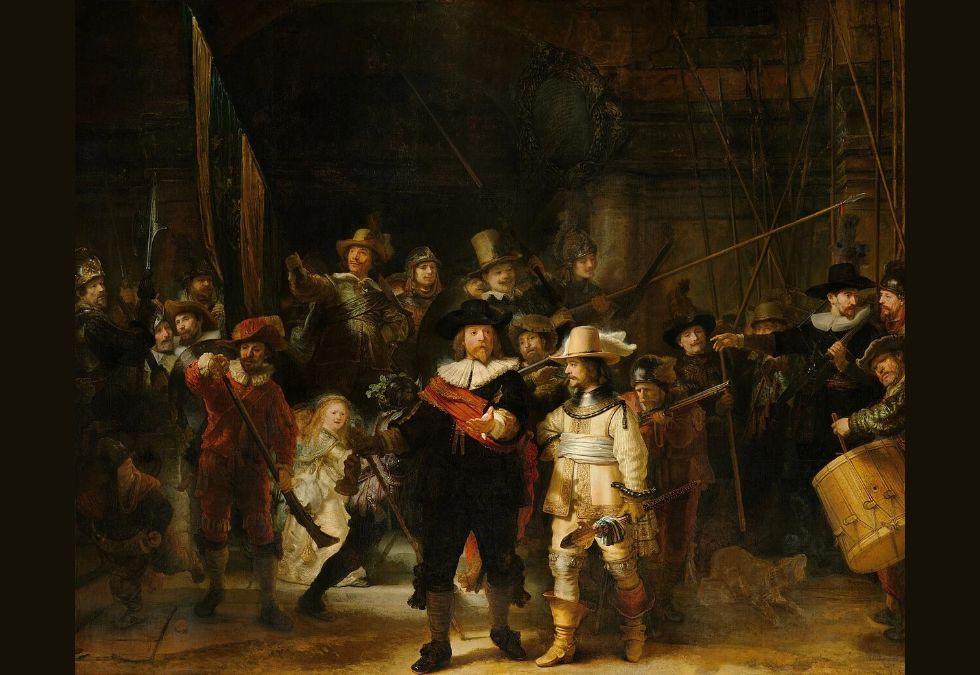
Rembrandt’s energetic militia portrait was painted during a time of deep personal trauma. His wife, Saskia, died in 1642, and some of their children died young. It is overshadowed by personal tragedy.
18. The Kiss – Gustav Klimt (1908)
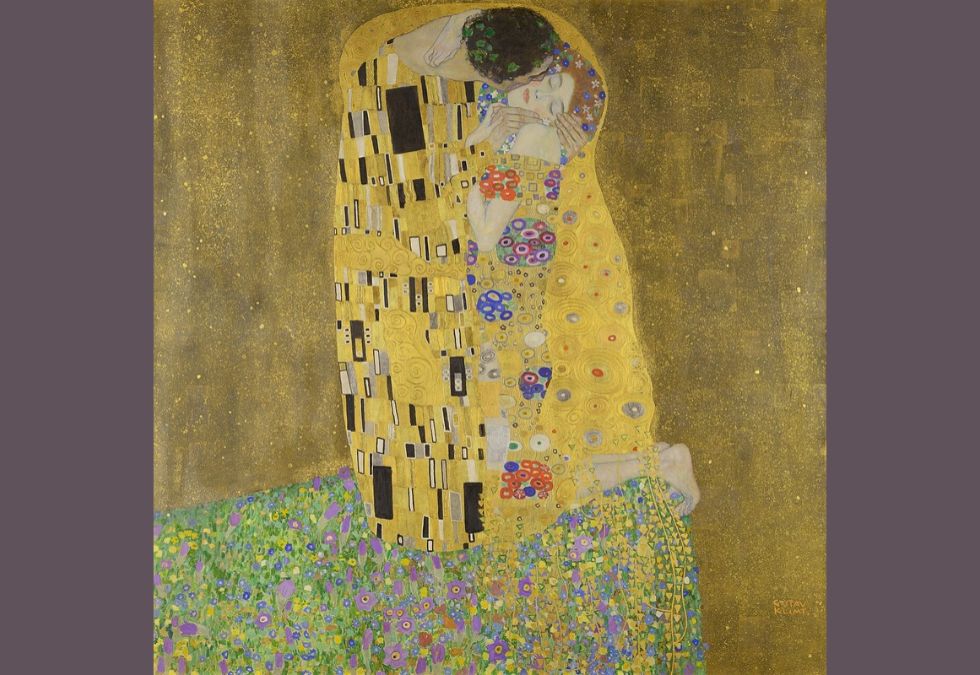
The Kiss by Klimt shows a couple in a beautiful golden embrace, representing a picture perfect romance. However, in real life it didn’t seem to work out so well for Klimt, who fathered children to different women.
19. Gas – Edward Hopper (1940)
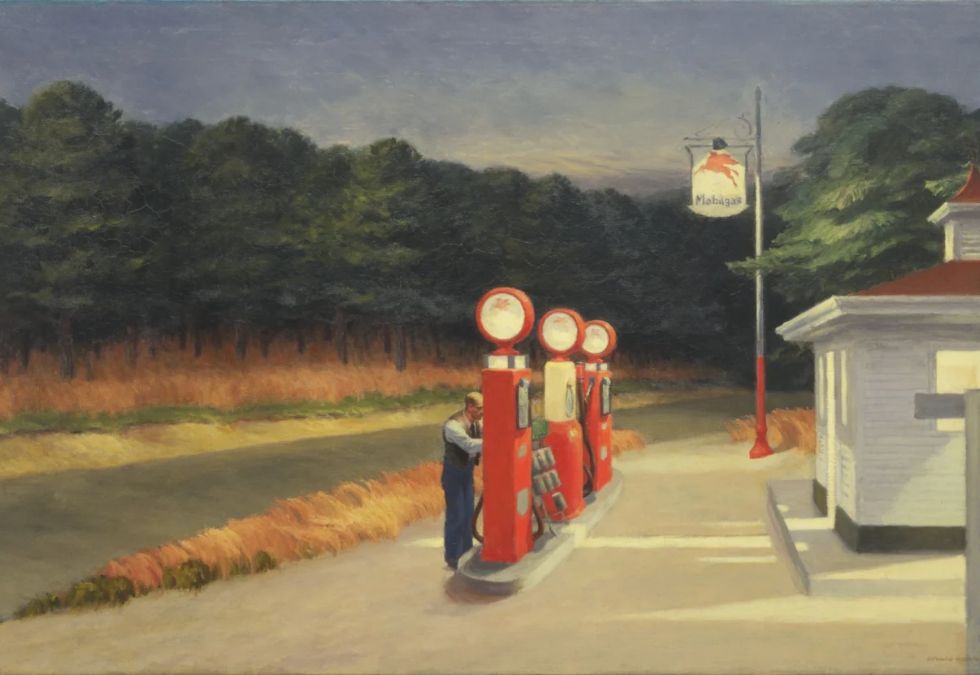
Hopper’s Gas depicts a single attendant at a luminous gas station on a dark street. Its stillness suggests loneliness. It is painted as Europe was entering the Second World War and also suggests an ambiguity about what is to come.
Art continues to evolve with time, and today’s creators are finding fresh ways to reinterpret classic masterpieces. Explore how art legends are reimagined in today’s world.
Conclusion
The beauty of these works disguises sorrow, suffering, death, and war. Discovering the history behind each work of art adds richness to the painting, as well as a reminder that the pain of life is woven into many of the greatest works of art.
The post 19 Masterpieces With Stories Far Sadder Than Their Images appeared first on Oldest.org.