Humans are remarkably good at building things and remarkably bad at accepting that some of those things will not last forever. The thing is that nature doesn’t wait for anyone, and it traverses a path of its own.
We have witnessed grass push through concrete, tree roots splitting apart walls, vines climbing through abandoned buildings, and forests gradually swallowing roads.
If you are curious to see Mother Nature’s true power, and what happens when human designs quietly surrender to the wild, here are 20 forgotten places that show it.
1. Houtouwan Village, Shengshan Island, China
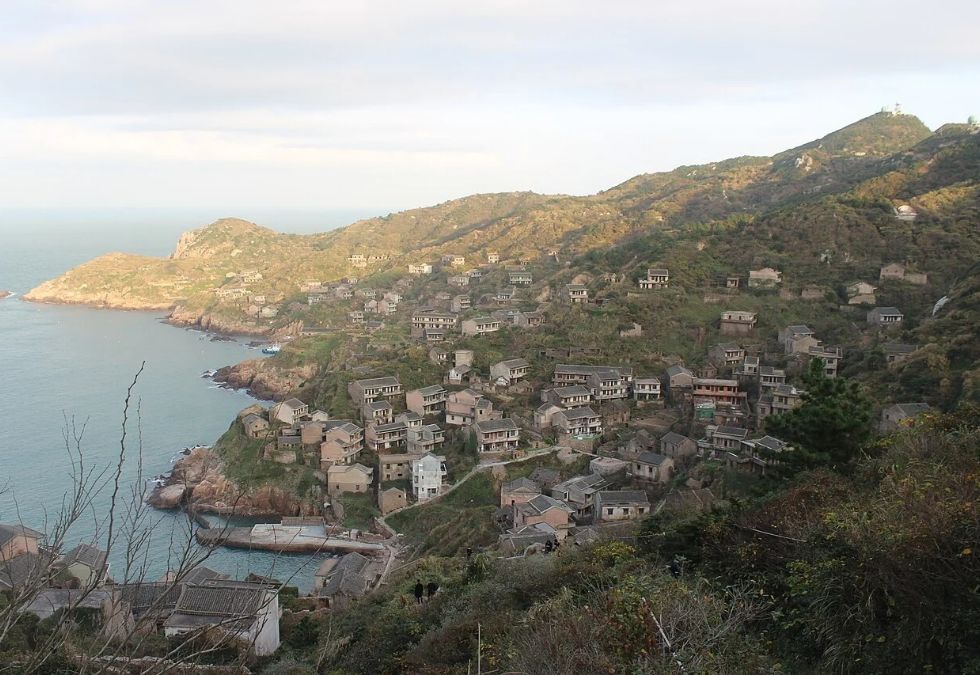
Houtouwan was once a thriving fishing community on Shengshan Island, housing over 2,000 residents. Due to its isolated location and difficult access to resources, the villagers gradually moved away in the 1990s. At present, though, creeping vines and thick moss cover every stone house, turning the abandoned village into a stunning, emerald-green coastal landscape.
2. Ross Island, Andaman and Nicobar Islands, India
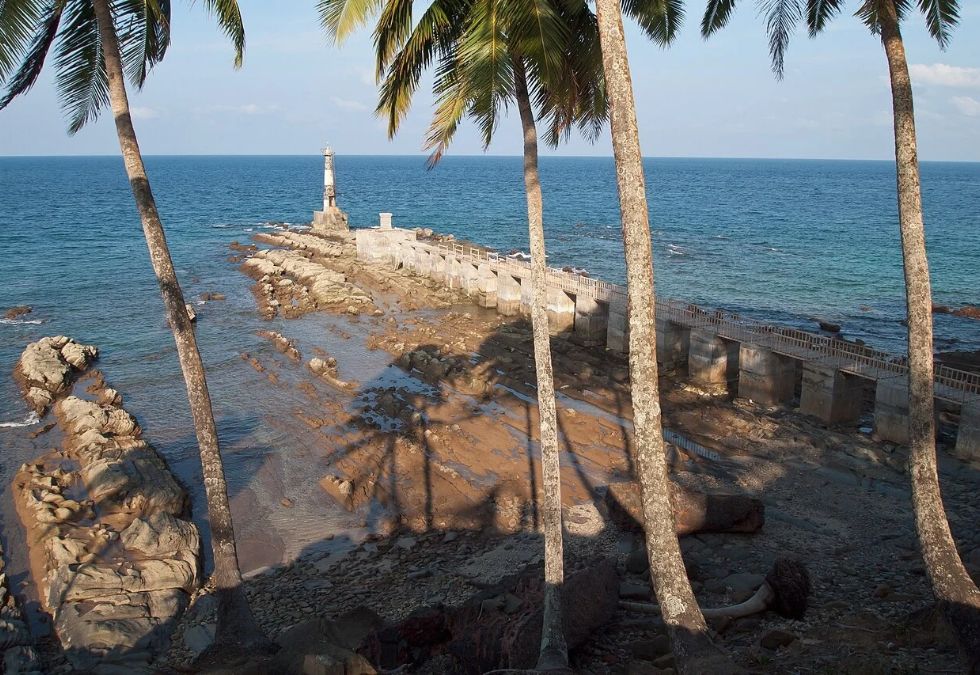
Once the administrative headquarters for the British penal settlement, Ross Island featured grand bungalows, ballrooms, and paved avenues. After an earthquake and wartime occupation, the island was abandoned to the elements. Massive banyan and wild ficus roots now wrap tightly around the crumbling brick structures, creating a striking scene where jungle trees hold up historical ruins.
Follow us on MSN!
3. Kolmanskop, Namibia
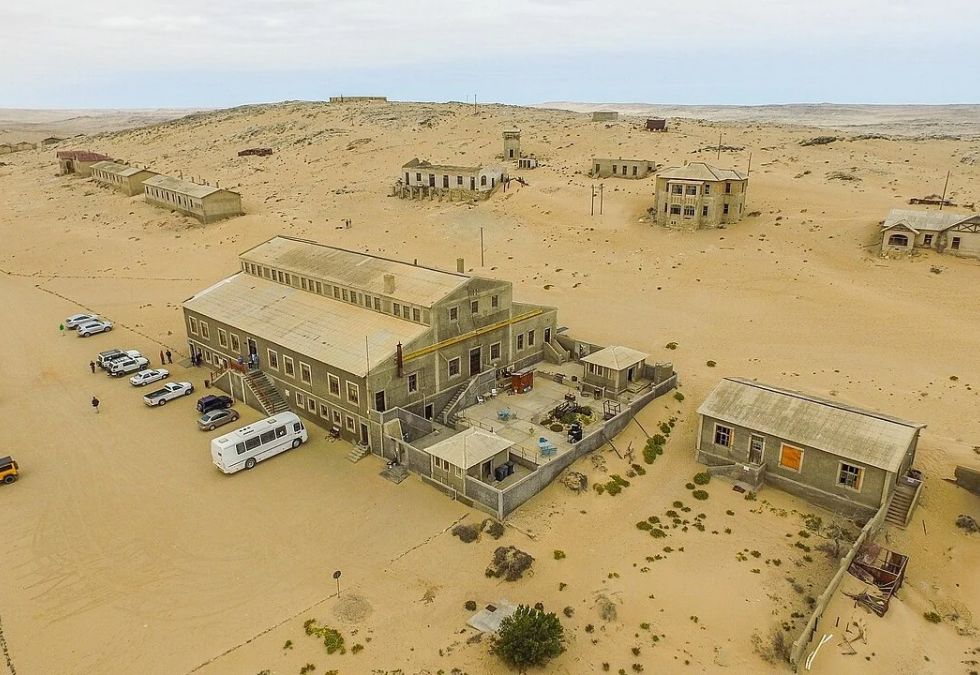
Kolmanskop was a luxurious German mining town featuring a theater, bowling alley, and modern hospital. When richer diamond deposits were found elsewhere, residents completely deserted the area. Now, knee-deep sand dunes from the surrounding Namib Desert spill through grand wooden doorways, slowly swallowing the elegant abandoned homes.
4. Pripyat, Ukraine
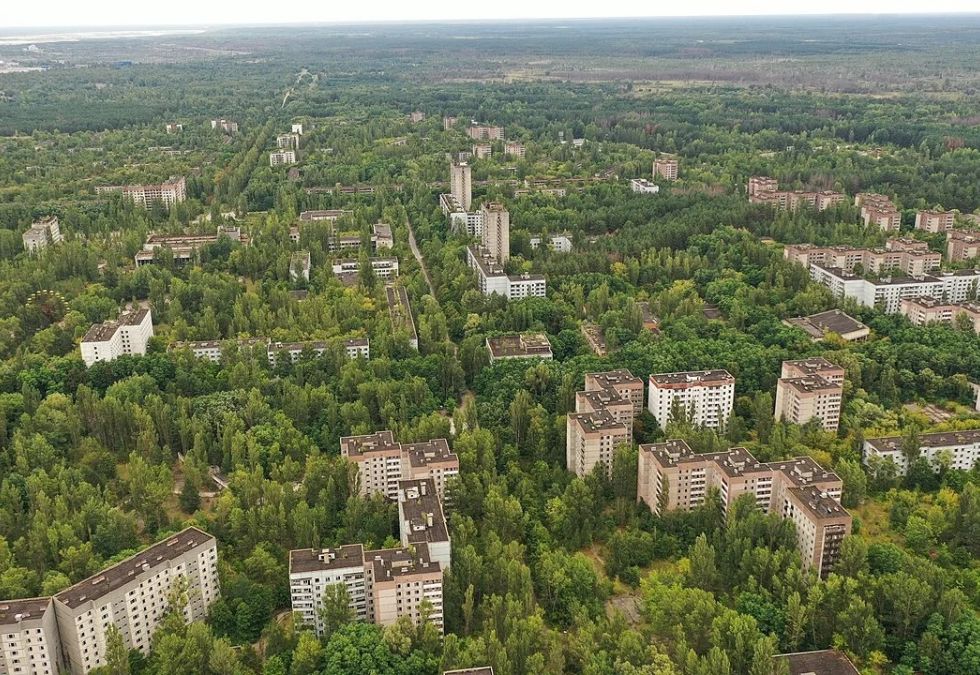
Home to 50,000 residents and Chernobyl power plant workers, Pripyat was abruptly evacuated following the 1986 nuclear catastrophe. Left untouched for decades, dense forests now break through asphalt roads and public squares. Wild animals roam the quiet boulevards, while hardy vines slowly climb the famous rusted Ferris wheel inside the overgrown amusement park.
5. Hashima Island, Japan
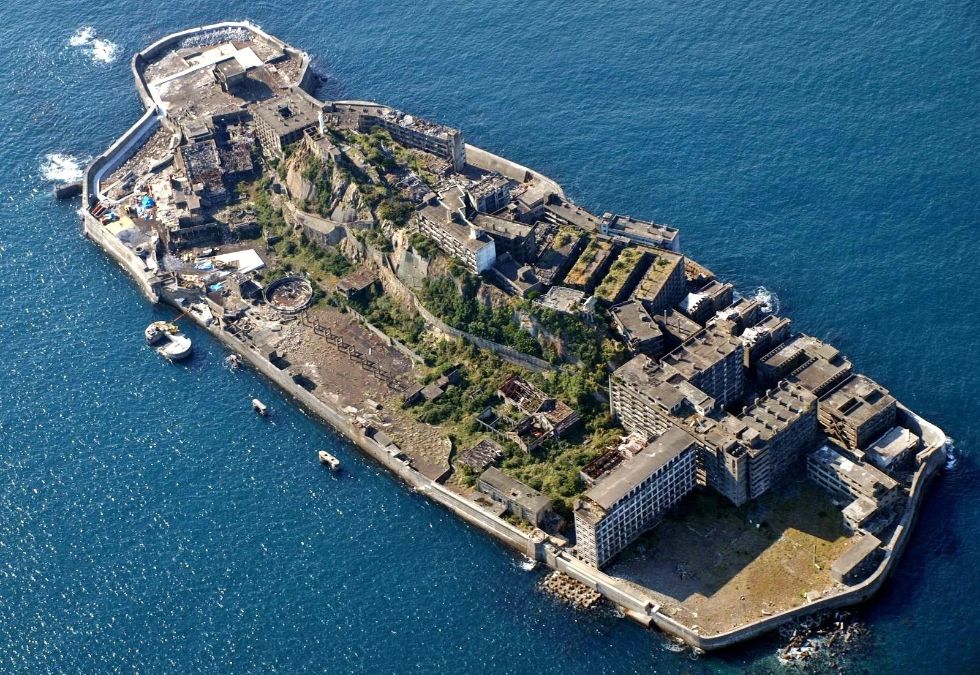
Hashima was a densely populated undersea coal mining facility off Nagasaki. When petroleum replaced coal, the island was abandoned in 1974. Exposed to fierce ocean winds and salt spray, its giant concrete apartment blocks are crumbling as wild sea moss and hardy plants root into structural cracks.
6. Maunsell Sea Forts, Thames Estuary, United Kingdom
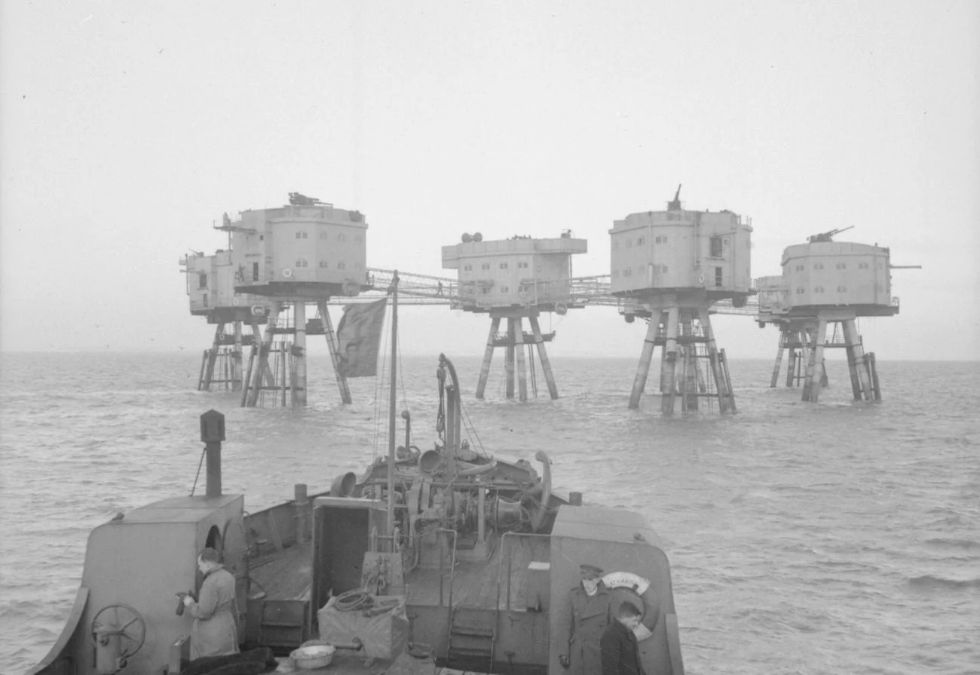
Constructed during World War II to defend London from air and naval raids, these giant steel towers rise directly out of the Thames Estuary. Decommissioned in the 1950s, the structures have rusted into deep shades of orange and brown. You will now find ocean barnacles cover their underwater stilts while seabirds use the platforms for nesting.
Nature can create sights that seem almost too perfect to be real, and these incredible natural phenomena show just how amazing the world around us can be.
7. Bodie, California, USA

Bodie was a wild gold-mining boomtown during the late 1870s, housing nearly 10,000 people at its peak. As the gold dried up, the population vanished, leaving hundreds of wooden structures behind. Preserved in a state of arrested decay, high desert winds, heavy snows, and native sagebrush steadily weather the unpainted buildings back into the landscape.
8. Hotel del Salto, Colombia
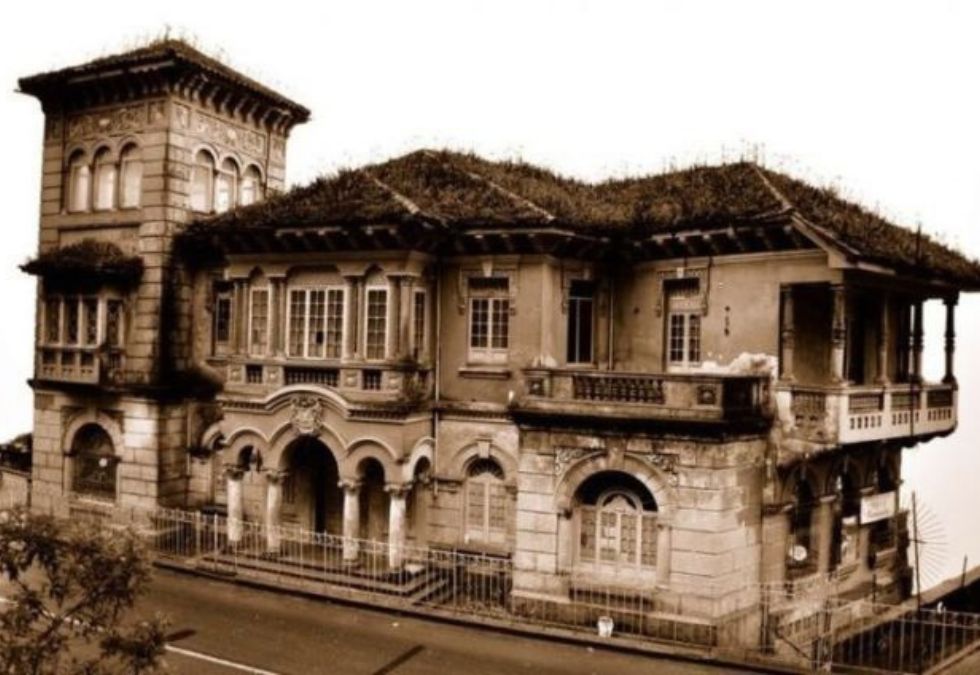
Hotel del Salto, located on a high cliff opposite the picturesque Tequendama Falls, is a grand 1928 hotel that once catered to wealthy people. Severe river pollution and declining tourism forced its closure in the 1990s. Enveloped in constant mountain mist, dense moss, wild ferns, and ivy now climb the French architecture.
9. St. Nicholas Church, Mavrovo Lake, North Macedonia
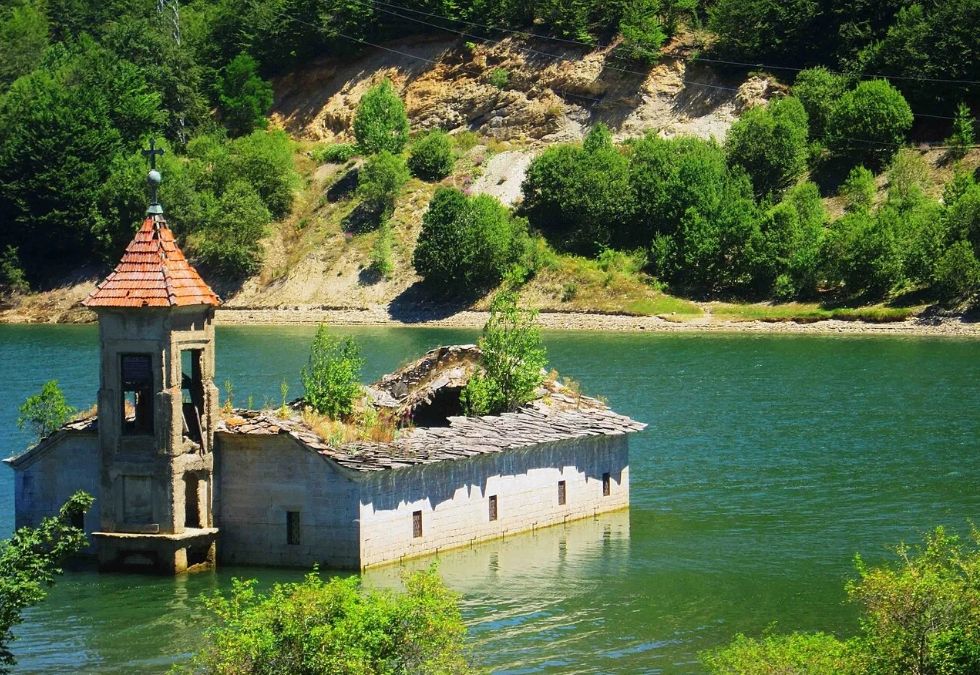
St. Nicholas Church, built in 1850, is a historic stone church was flooded in the 1950s. The church now experiences a seasonal cycle with nature. During dry summer months, the algae-draped stone walls re-emerge from the receded water, while winter rains leave only its stone bell tower visible above the surface.
10. Gouqi Island Abandoned Village, China
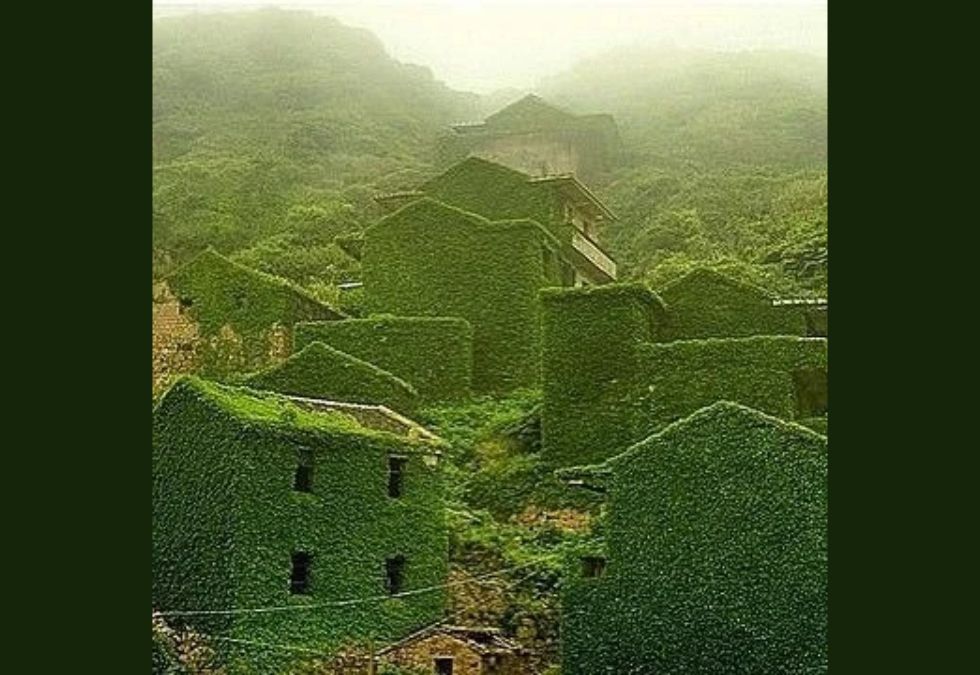
Gouqi Island was a coastal fishing village was abandoned as residents moved closer to mainland trade routes. Over the years, coastal plants have blanketed the stone homes built into the steep hillsides. Climbing ivy and thick brush completely veil the deserted streets now.
11. Craco, Italy
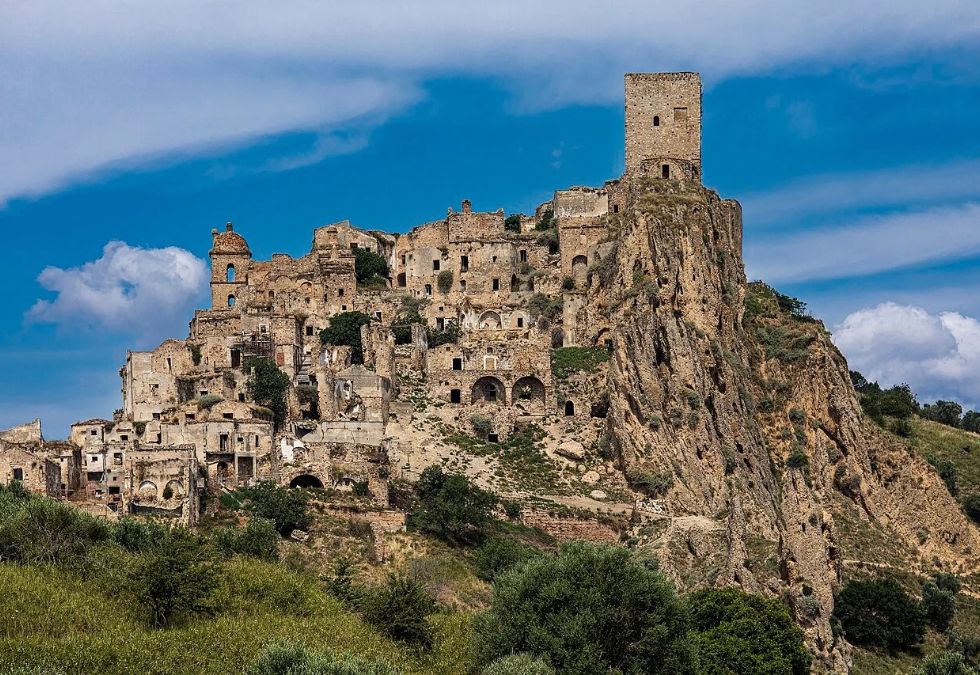
The medieval hill town of Craco dates back to the 8th century. Severe landslides and seismic activity made the geological foundation unsafe, leading to a full evacuation in 1963. Wild grass and sun-baked weeds now push through the cobblestone alleys, while birds of prey nest in the abandoned stone watchtowers.
From powerful storms to landscapes shaped by extreme weather, these photos show Mother Nature’s true strength and remind us how little control we have over the natural world.
12. Valle dei Mulini (Valley of the Mills), Sorrento, Italy
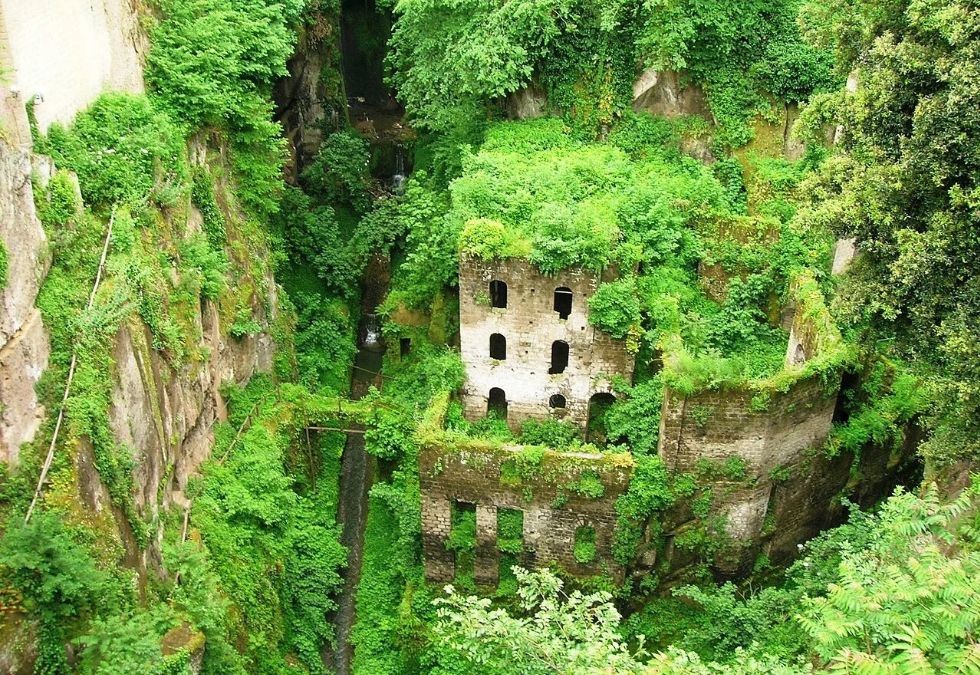
This 10th-century stone mill once harnessed water power to grind wheat for the local population. Abandoned in the early 20th century, the dark, humid microclimate inside the ravine triggered explosive plant growth. Rare ferns, thick moss, and climbing trees now completely cover the ruins, hiding them in greenery.
13. SS Ayrfield, Homebush Bay, Australia
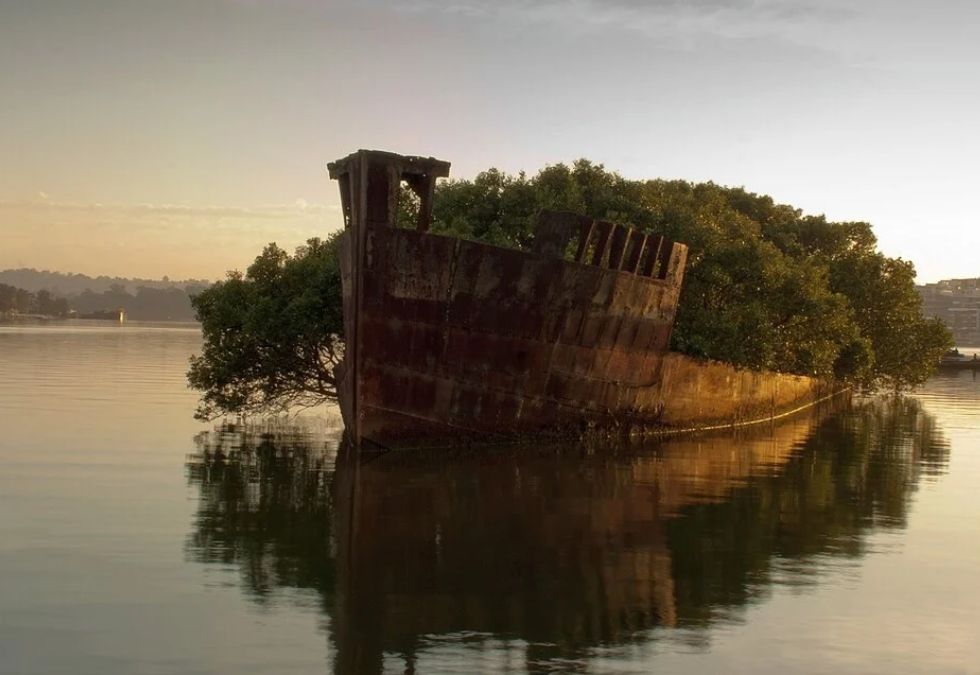
The SS Ayrfield was a 1,140-ton steel steamship used during World War II that was later sent to Homebush Bay for dismantling. Left behind in shallow waters, floating mangrove seeds settled inside the decaying hull. Decades later, the ship is famous as a “Floating Forest.”
14. Geamana, Romania
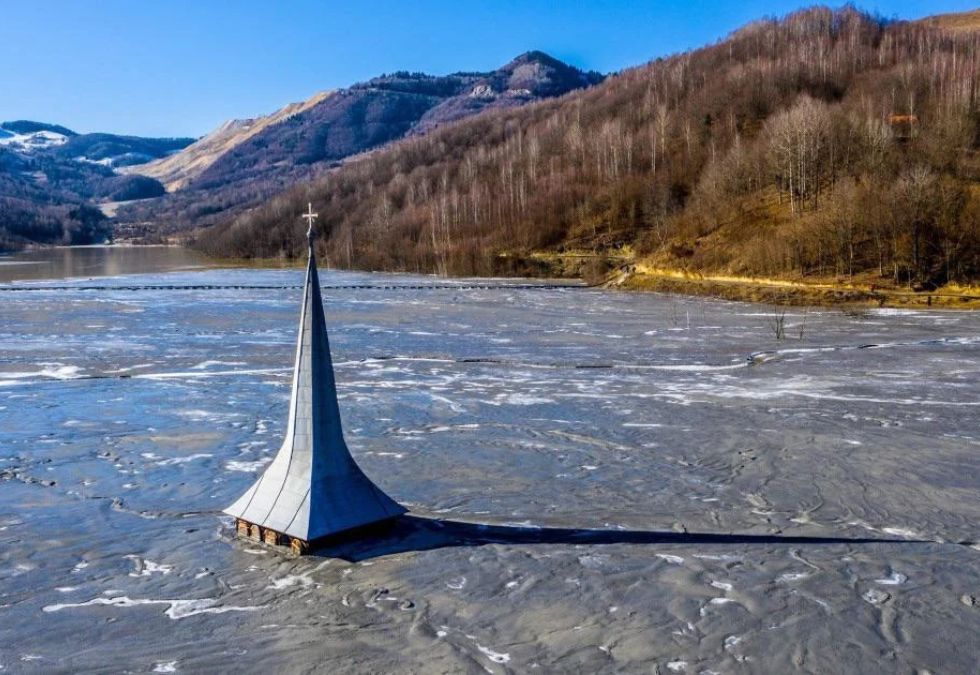
In the late 1970s, a rural valley was intentionally flooded with toxic copper mining waste, forcing the evacuation of Geamana village. Now, a thick, multi-colored sludge lake covers most of the settlement. Nature has reclaimed the surrounding shorelines, while only the top of the stone church steeple breaks through the vibrant, mineral-rich water.
15. The Abandoned City Hall Subway Station, New York City, USA
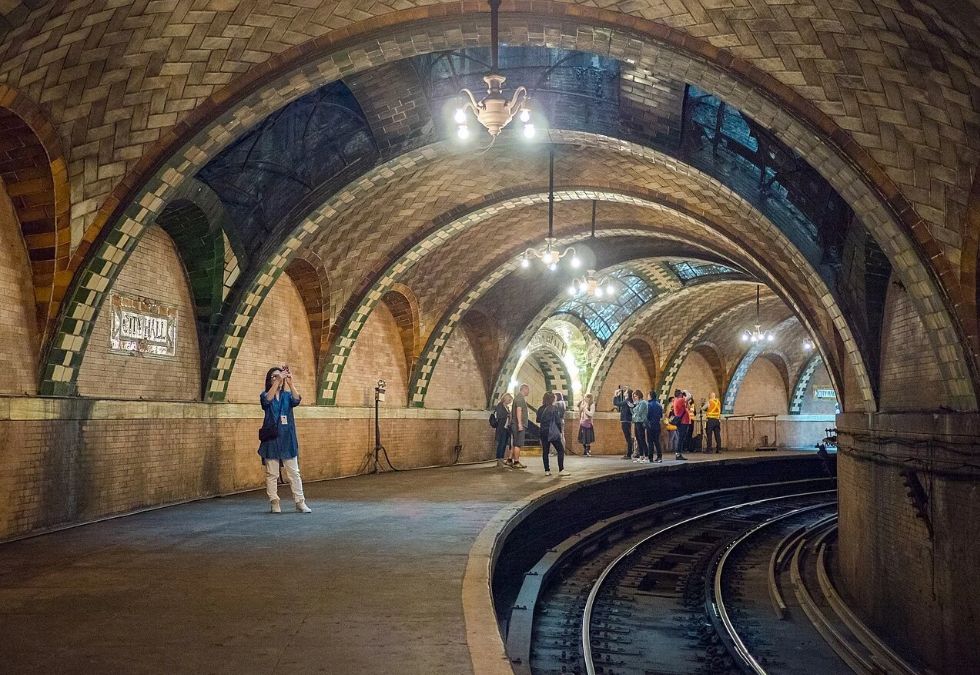
Opened in 1904, this underground subway station featured elegant chandeliers, stained glass, and vaulted tile ceilings. It was closed in 1945 because its curved platform could not handle longer modern trains. Over the decades, nature has crept down through skylights and ventilation grates, sprouting ferns and moss along the historic tiled walls.
16. Belchite, Spain
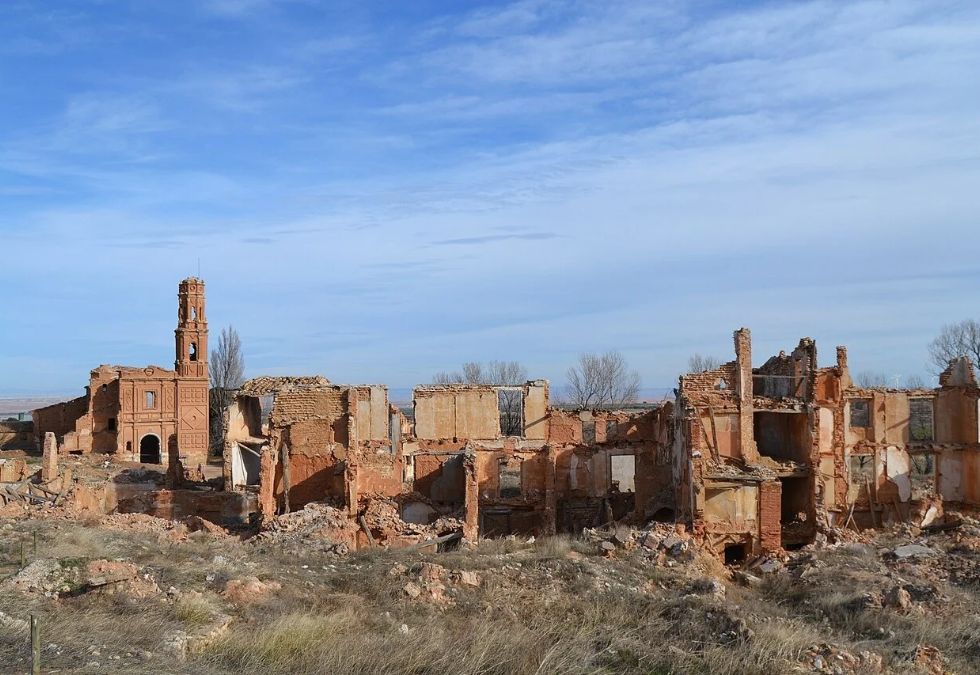
Belchite was left as a ghost town and war memorial after the 1937 battle in the Spanish Civil War. Rather than being rebuilt, the town stood empty while modern residents built nearby. Wild olive trees, desert brush, and tall weeds now grow through shattered doorways and stone foundations.
Some natural phenomena occur only in specific parts of the world, creating rare and fascinating sights that reveal just how unique our planet can be.
17. Kayaköy, Turkey
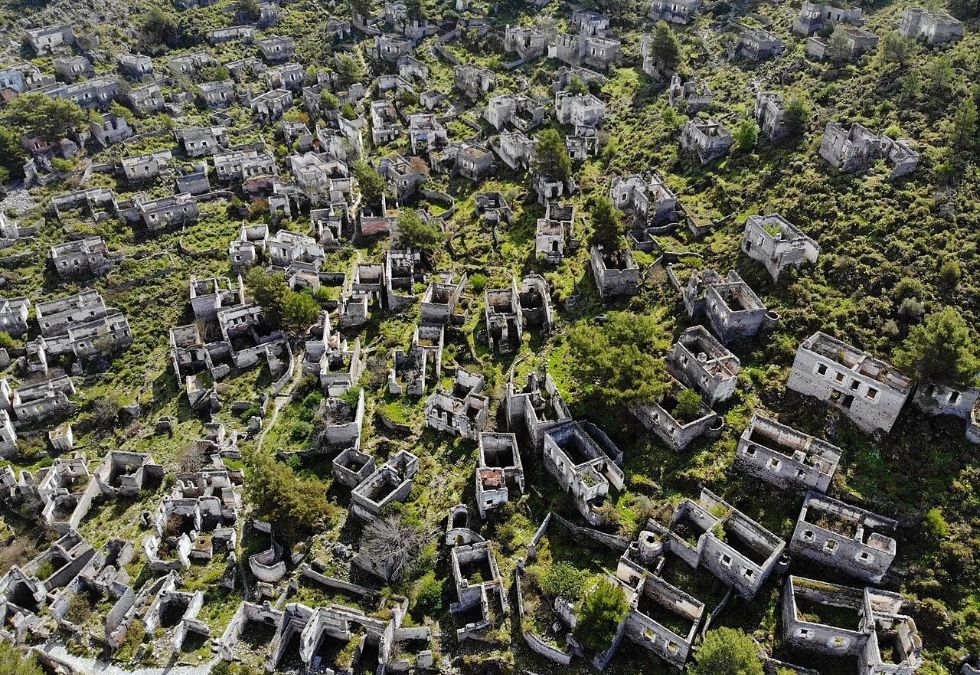
Once home to thousands of Greek Christians, Kayaköy was deserted in 1923 following a forced population exchange between Greece and Turkey. Subsequent earthquakes damaged the remaining homes. At present, over 500 roofless stone houses are present down the hillside, where wild fig trees, pine needles, and climbing vines shoot through living room floors.
18. Ta Prohm Temple, Angkor, Cambodia
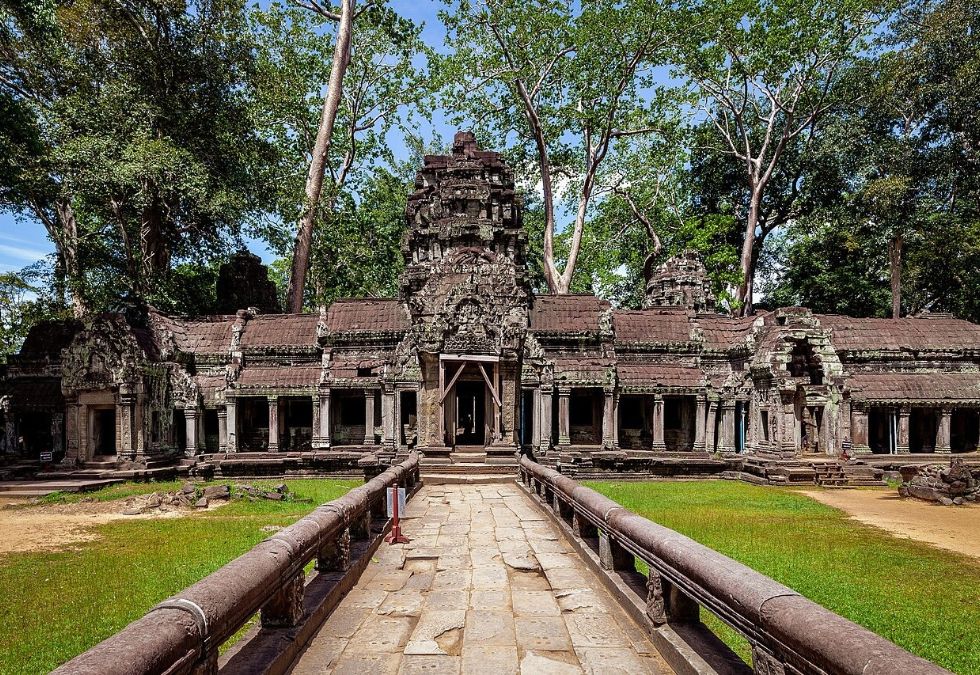
Ta Prohm was abandoned to the jungle after the fall of the Khmer Empire. When restoration began on Angkor, conservationists left Ta Prohm intertwined with nature. Giant silk-cotton and strangler fig trees wrap massive root systems around stone walls, literally holding the ancient temple together.
19. Sanatorio de Durán, Costa Rica
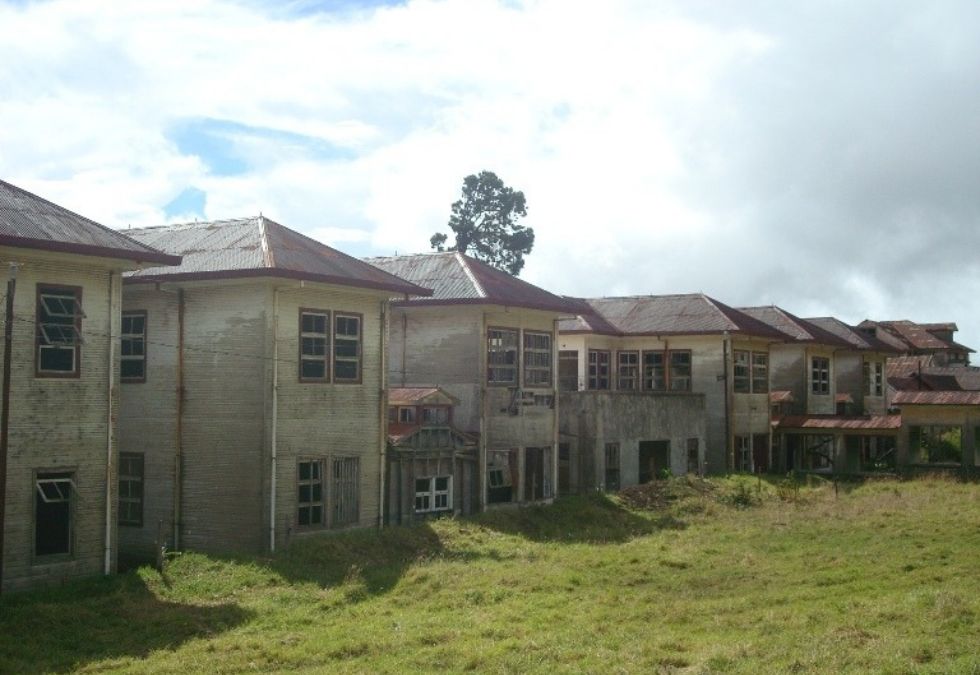
Opened in 1918 on high mountain slopes, this sanatorium treated tuberculosis patients before shifting medical needs led to its closure in the 1960s. Volcanic ash and cloud forest moisture quickly overtook the deserted buildings. We now have wild ferns, thick moss, and tropical vines covering the long medical corridors, sprouting through cracks in the old tile floors.
20. Kennecott, Alaska, USA
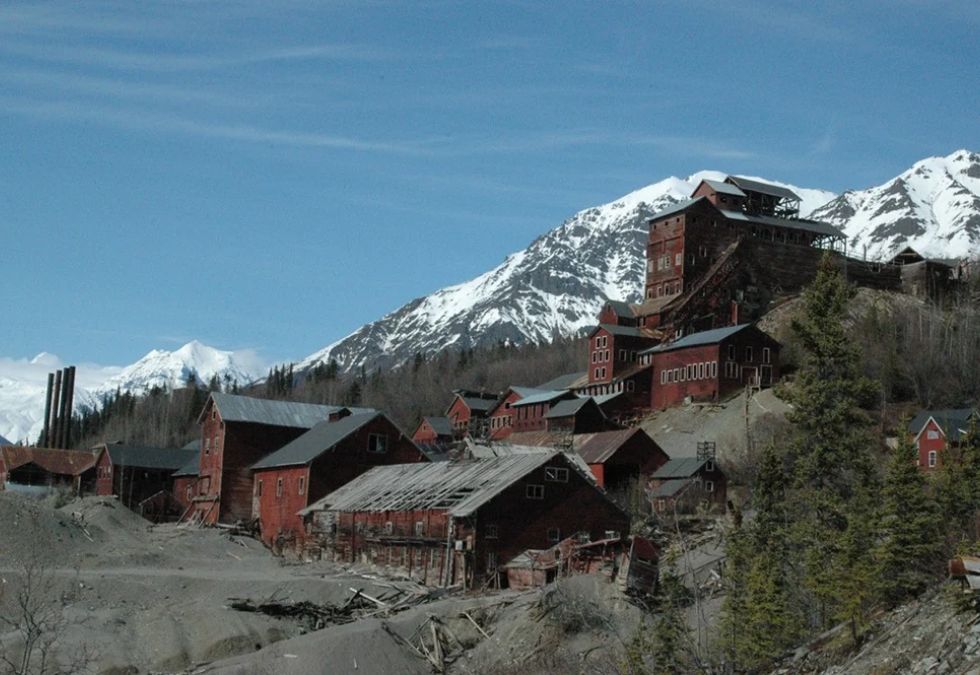
Kennecott was a popular Alaskan copper mining town established in 1905, featuring a massive 14-story wooden mill. When the rich copper deposits were exhausted in 1938, workers abandoned the site overnight. Thanks to the cold alpine air, the wooden buildings remain intact, though native spruce trees, moss, and mountain brush are steadily reclaiming the land.
From steep cliffs to harsh deserts, these cities were built in places where nature seems to make human life nearly impossible, showing how far people will go to create a home.
Final Words
Roots find cracks, water breaks down mortar, seeds drift in on the wind, and wild creatures claim empty doorways. There is a quiet beauty in this process. These abandoned places remind us that no matter how impressive our engineering may seem, Mother Nature will always be the one ending the stories that we humans write.
The post 20 Forgotten Places That Nature Has Taken Over appeared first on Oldest.org.