History books are full of kings, generals, inventors, and explorers, but what about the people whose work changed the world without earning them a permanent place in the spotlight? Some challenged powerful empires, others made scientific breakthroughs, and a few accomplished extraordinary things only to watch someone else receive the credit.
The stories of remarkable people who were written out of history reveal an uncomfortable truth: being important and being remembered are two very different things.
1. Enheduanna, the World’s Earliest Known Named Author
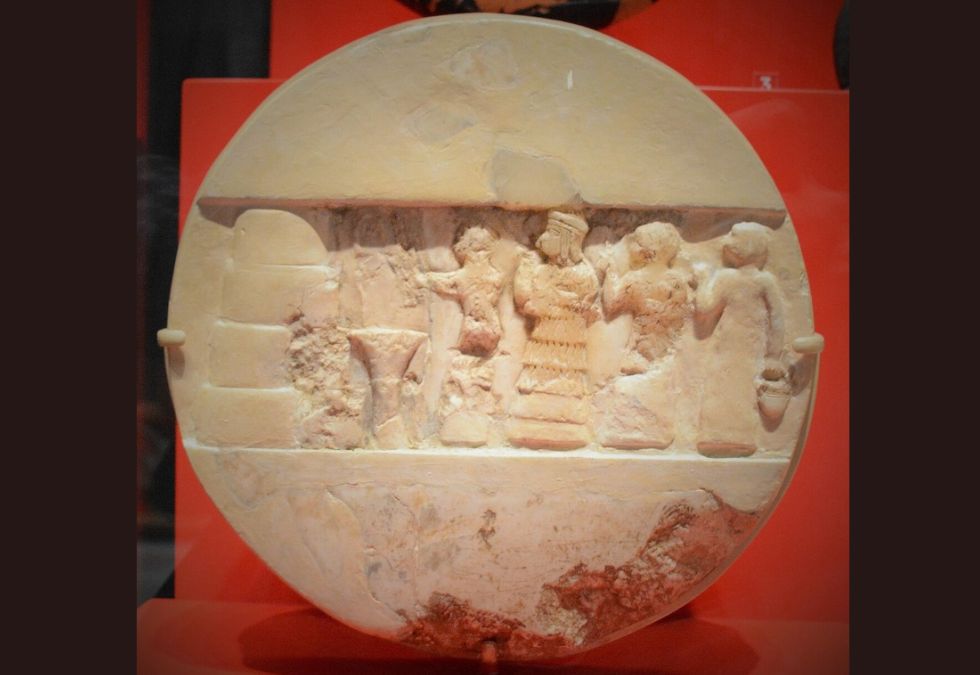
Long before Shakespeare or Homer became household names, Enheduanna composed religious poetry in ancient Mesopotamia around the twenty-third century BCE. As a high priestess and daughter of Sargon of Akkad, she combined political influence with literary talent.
2. Anna Komnene, the Princess Who Documented an Empire
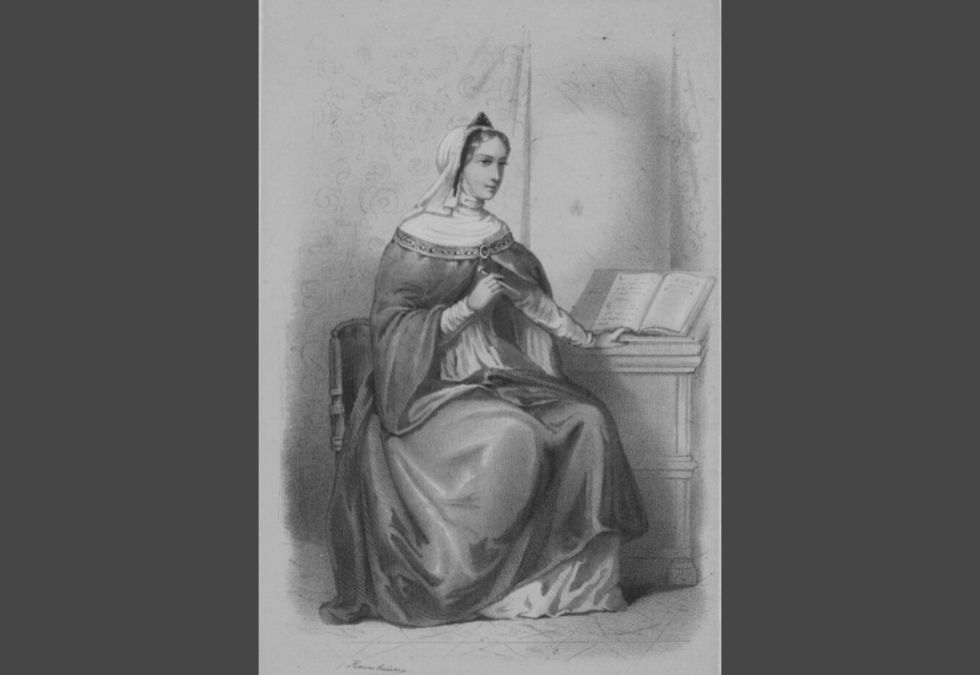
Born in 1083, Byzantine princess Anna Komnene wrote The Alexiad, a detailed account of her father Emperor Alexios I’s reign. Her observations of warfare, diplomacy, and the First Crusade remain valuable historical evidence. Yet later accounts often emphasized her alleged political ambitions instead of her scholarship.
3. Alice Ball, the Chemist Whose Treatment Was Credited to Someone Else
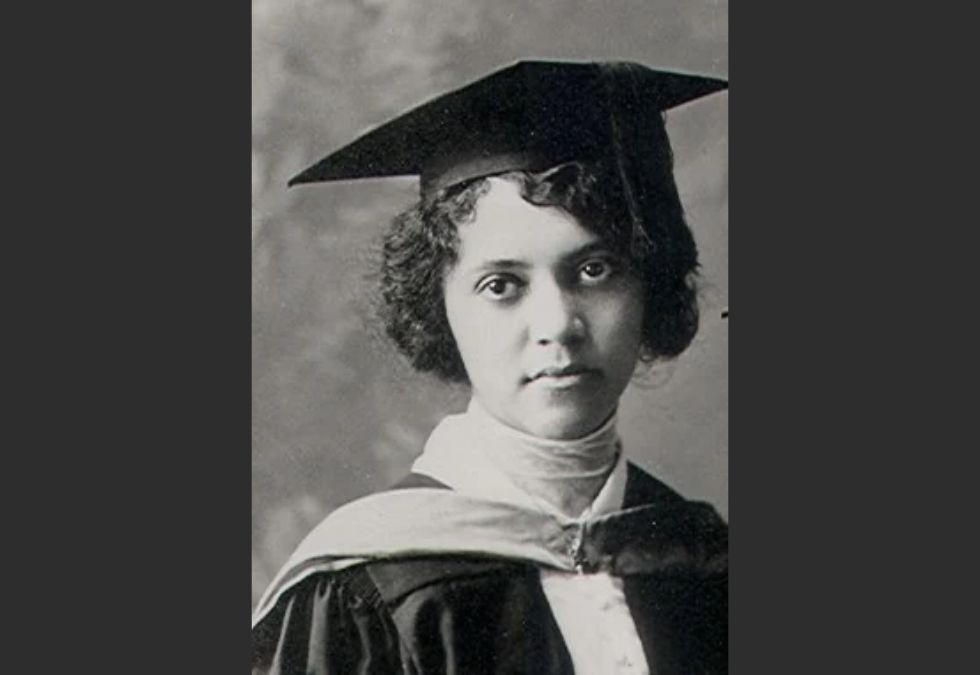
At just 23, American chemist Alice Ball developed a method for making chaulmoogra oil more usable as a treatment for Hansen’s disease, historically called leprosy. She died in 1916 before publishing her research. Arthur Dean subsequently continued the work, and her contribution was overlooked for years.
Follow us on MSN!
4. Mary Anning, the Fossil Hunter Who Changed Paleontology
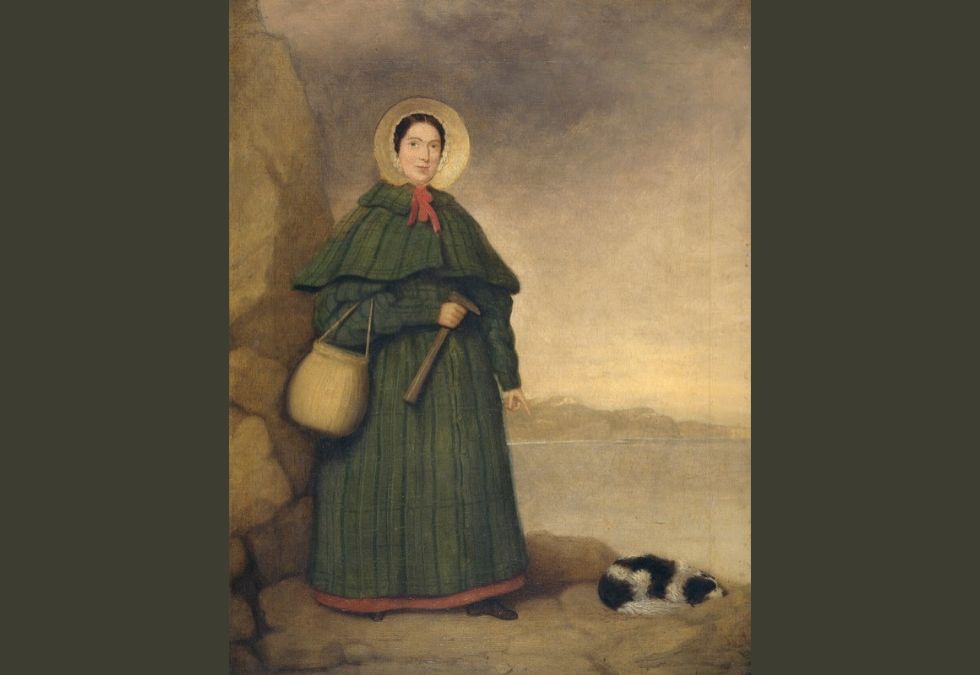
Working along England’s Jurassic Coast in the early nineteenth century, Mary Anning uncovered remarkable marine fossils that transformed scientific understanding of prehistoric life. Despite her discoveries of ichthyosaurs and plesiosaurs, she faced barriers because she was a woman from a working-class family.
5. Ching Shih, the Pirate Commander Who Challenged Empires
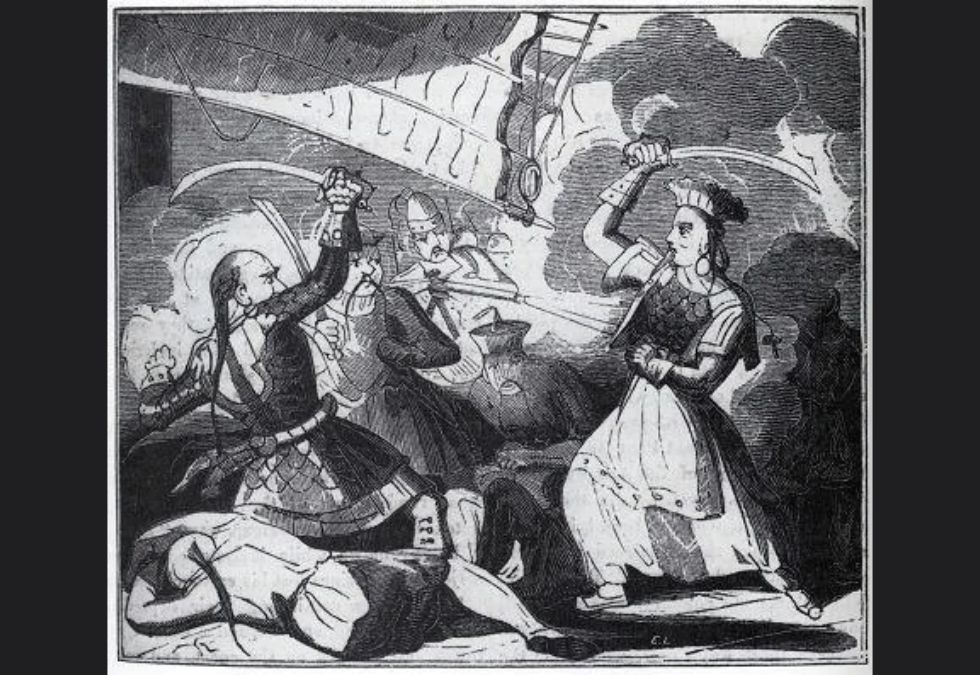
In the early nineteenth century, Ching Shih, also known as Zheng Yi Sao, commanded a formidable pirate confederation in the South China Sea. Her fleet challenged Chinese authorities and foreign maritime powers, while her strict rules helped maintain discipline. In 1810, she negotiated a settlement that allowed her to leave piracy.
6. Wang Zhenyi, the Astronomer Who Challenged Tradition
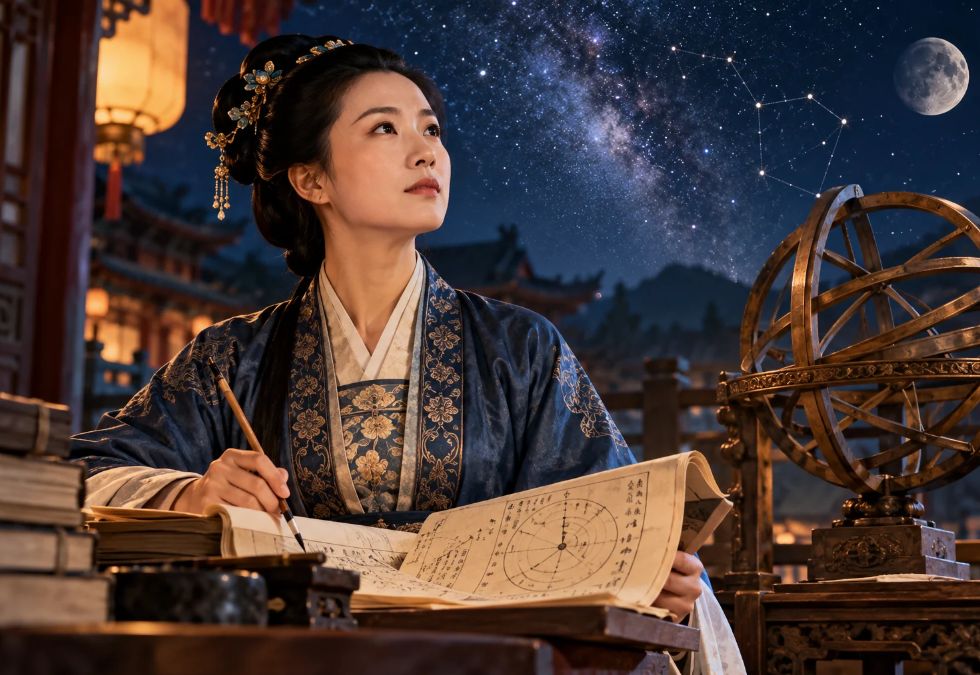
Eighteenth-century Chinese scholar Wang Zhenyi studied astronomy, mathematics, and eclipses at a time when women faced serious educational restrictions. She wrote accessible explanations of scientific concepts and challenged traditional barriers through her scholarship. Her work demonstrated that intellectual curiosity was not confined to elite male scholars.
Some people live well past the age of 100, leaving behind extraordinary stories of longevity, resilience, and the remarkable lives they led.
7. Henrietta Lacks, the Woman Behind a Medical Revolution
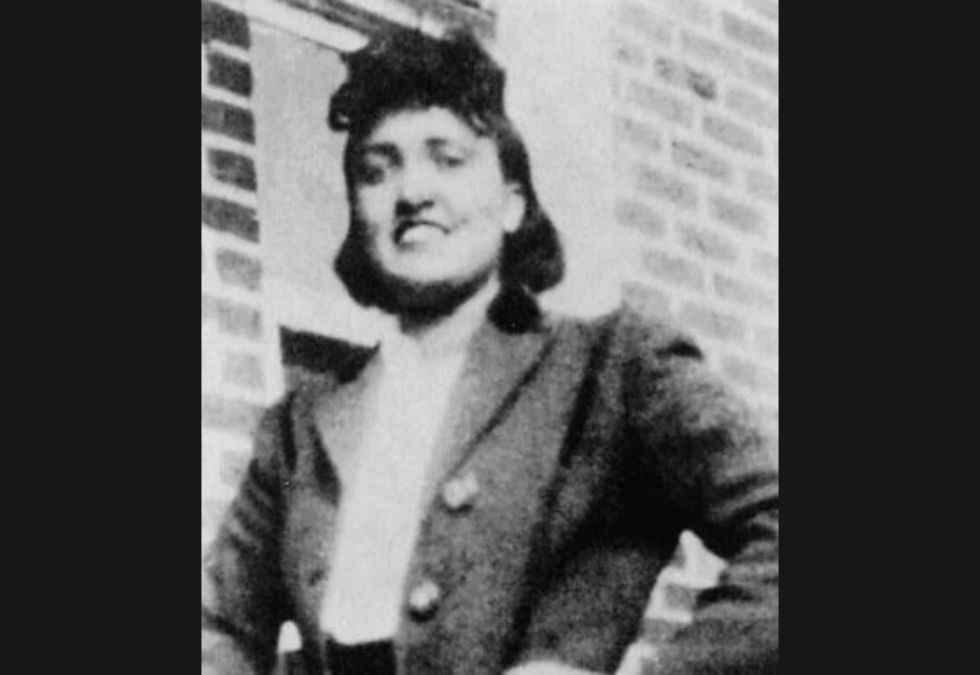
In 1951, cells taken from Henrietta Lacks during cancer treatment became the source of the immortal HeLa cell line, which transformed biomedical research. Her cells contributed to work involving vaccines, cancer, and numerous other diseases, but her family initially knew little about their widespread use.
8. Fatima al-Fihri, the Woman Associated With a Historic University
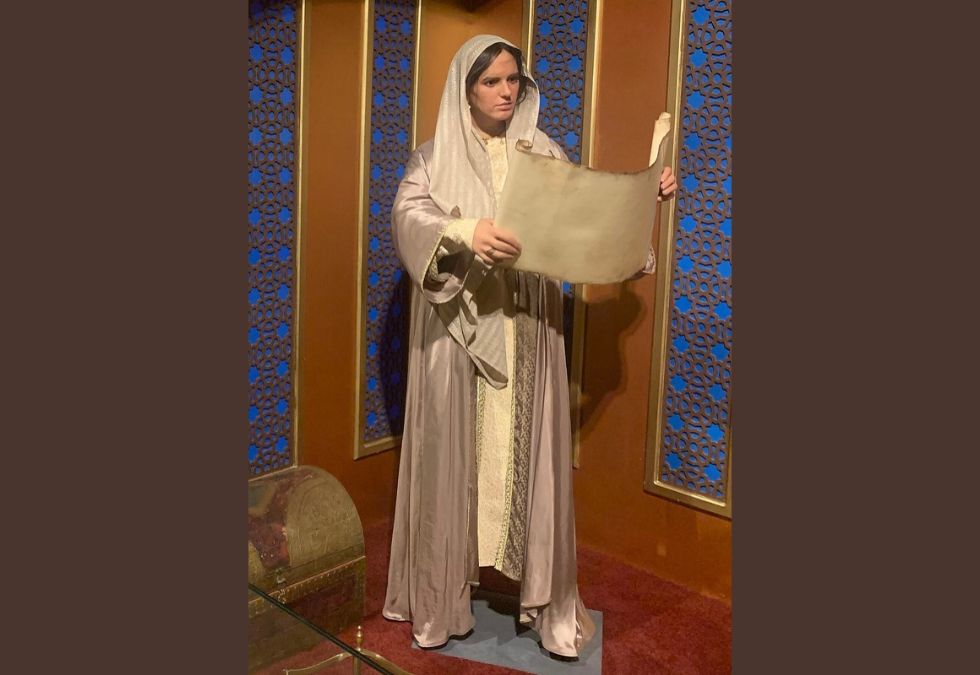
Tradition credits Fatima al-Fihri, a woman from a wealthy Muslim family, with founding the al-Qarawiyyin mosque and educational institution in Fez, Morocco, in the ninth century. The institution developed over centuries into an important centre of learning.
9. Lise Meitner, the Physicist Left Outside a Nobel Prize
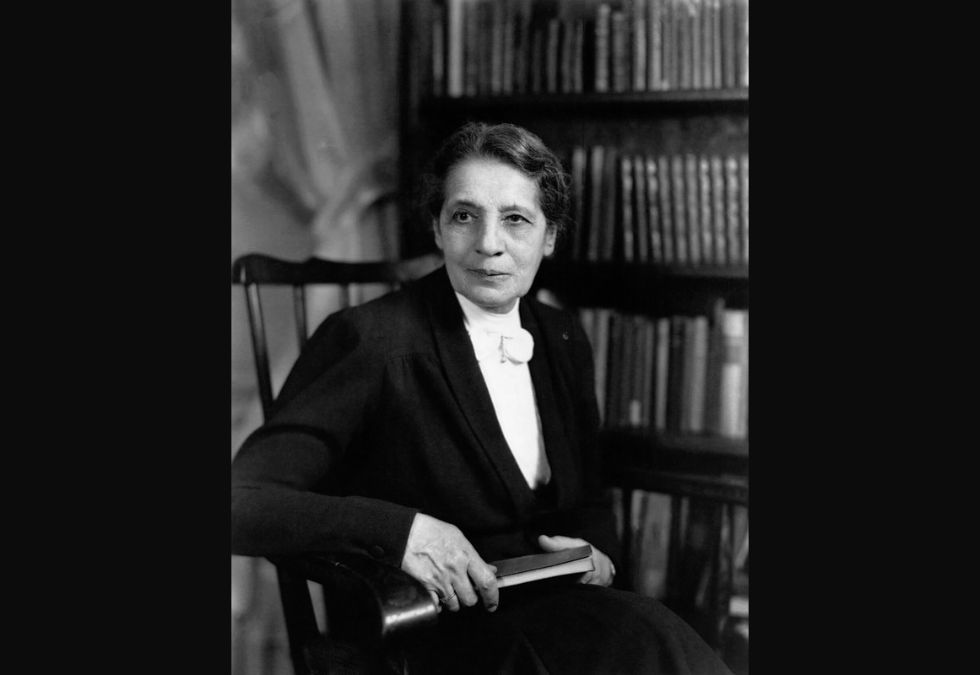
Physicist Lise Meitner helped explain nuclear fission after Otto Hahn’s experiments revealed the relevant nuclear reactions. Working in exile after fleeing Nazi Germany, she developed the theoretical explanation with her nephew Otto Frisch. Hahn received the 1944 Nobel Prize in Chemistry, while Meitner was excluded.
10. Murasaki Shikibu, the Japanese Writer Ahead of Her Time
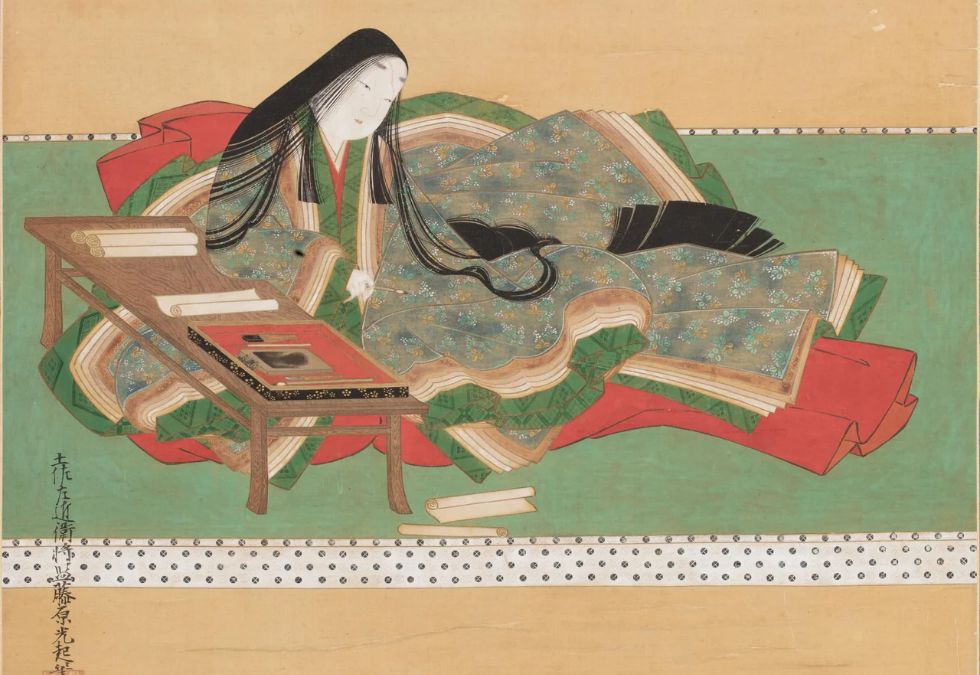
Around the beginning of the eleventh century, Murasaki Shikibu wrote The Tale of Genji, a landmark work of Japanese literature renowned for its psychological depth and intricate courtly relationships. Women writers of her era often worked outside the prestige associated with classical Chinese scholarship.
11. Mary Seacole, the Nurse Who Funded Her Own Journey
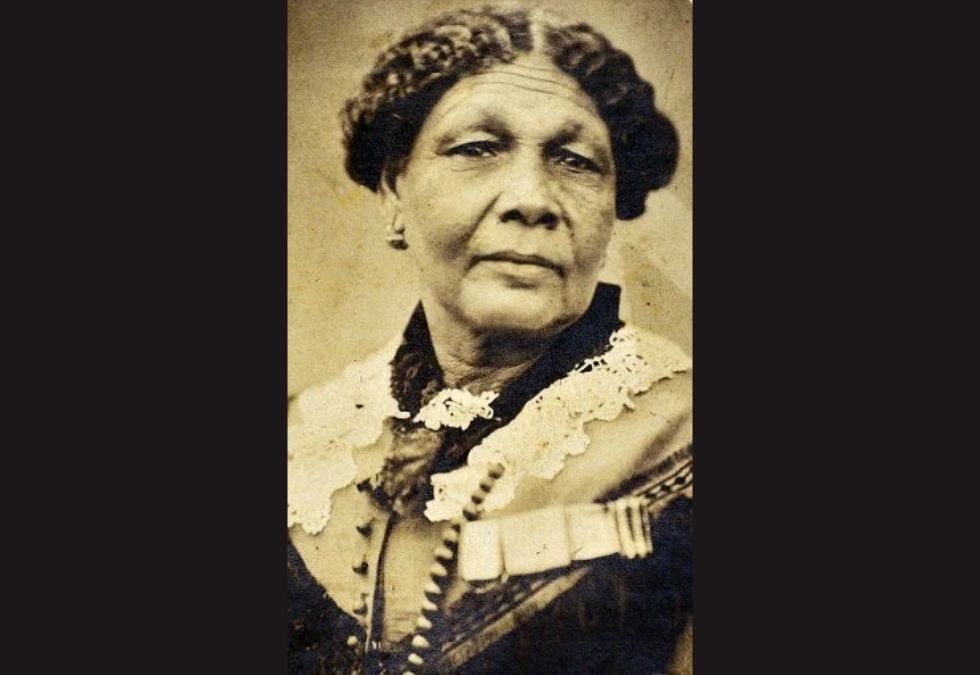
Jamaican-born Mary Seacole travelled to the Crimean War after her offer to join official nursing efforts was rejected. She financed her journey herself and established the British Hotel near the front, providing supplies, food, and care to soldiers.
Some legendary figures may have been based on real people, and historical clues offer fascinating hints about the lives behind these famous stories.
12. Chien-Shiung Wu, the Physicist Whose Experiment Changed Physics
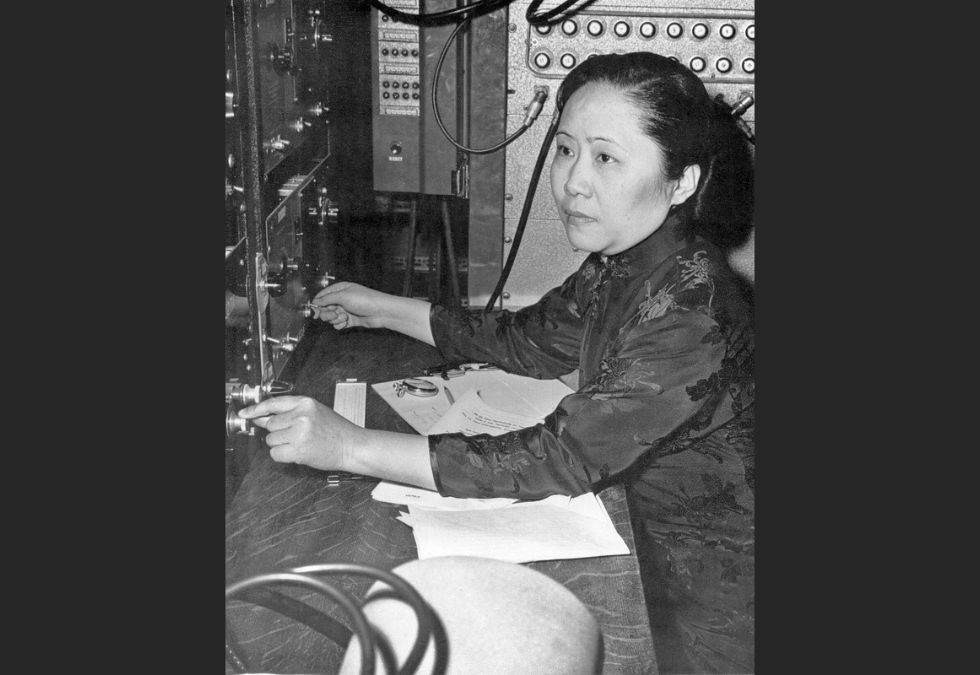
Chinese-American physicist Chien-Shiung Wu conducted the experiment that demonstrated parity violation in weak nuclear interactions, overturning a fundamental assumption in physics. In 1957, Tsung-Dao Lee and Chen-Ning Yang received the Nobel Prize for proposing the theory, while Wu received no share of the award.
13. Artemisia Gentileschi, the Painter Beyond Her Personal Trauma
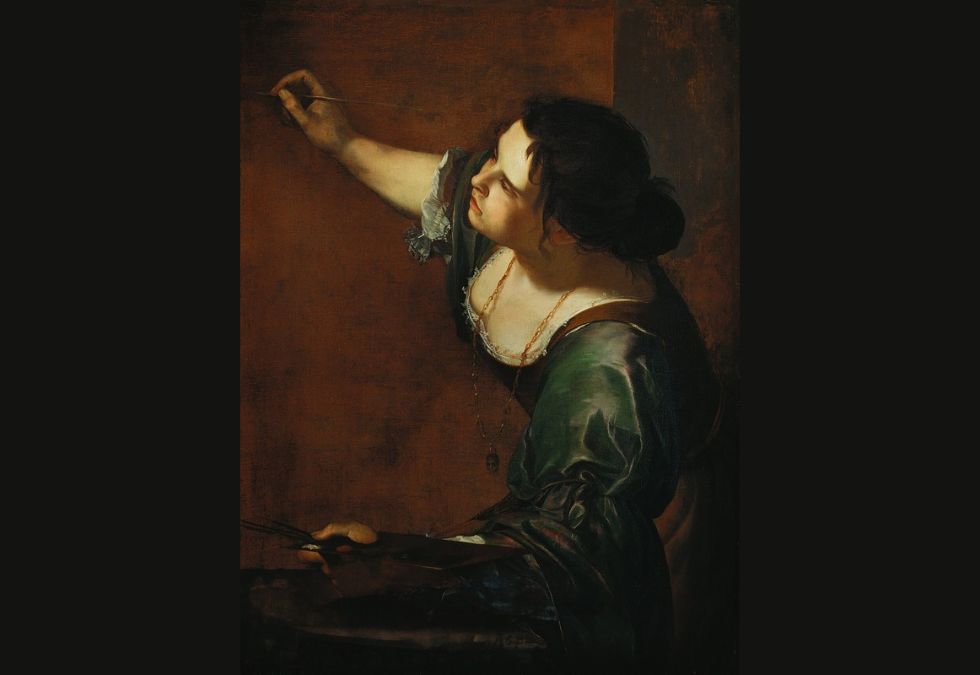
Seventeenth-century Italian painter Artemisia Gentileschi created dramatic Baroque works featuring powerful biblical and historical women. Her artistic talent developed in a world where professional painting was dominated by men, and later discussions often focused disproportionately on her rape trial rather than her technique and career.
14. Claudette Colvin, the Teenager Who Challenged Bus Segregation
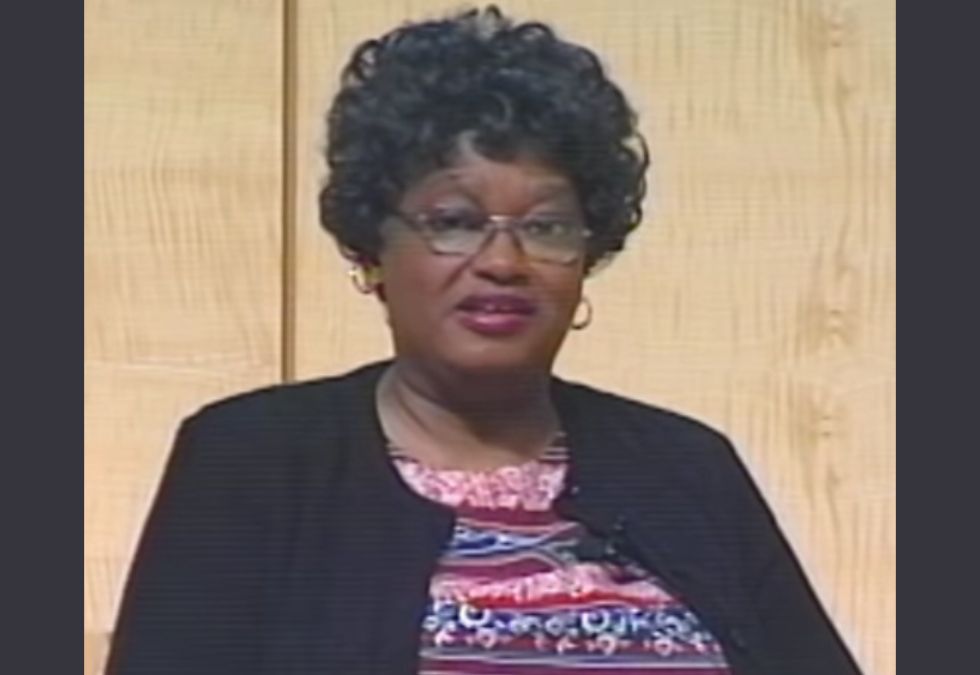
Nine months before Rosa Parks’s famous protest, Claudette Colvin, a fifteen-year-old Black student, refused to surrender her seat on a segregated Montgomery bus in March 1955. Her arrest became part of the legal struggle against bus segregation.
15. Noor Inayat Khan, the Spy Who Refused to Give Up
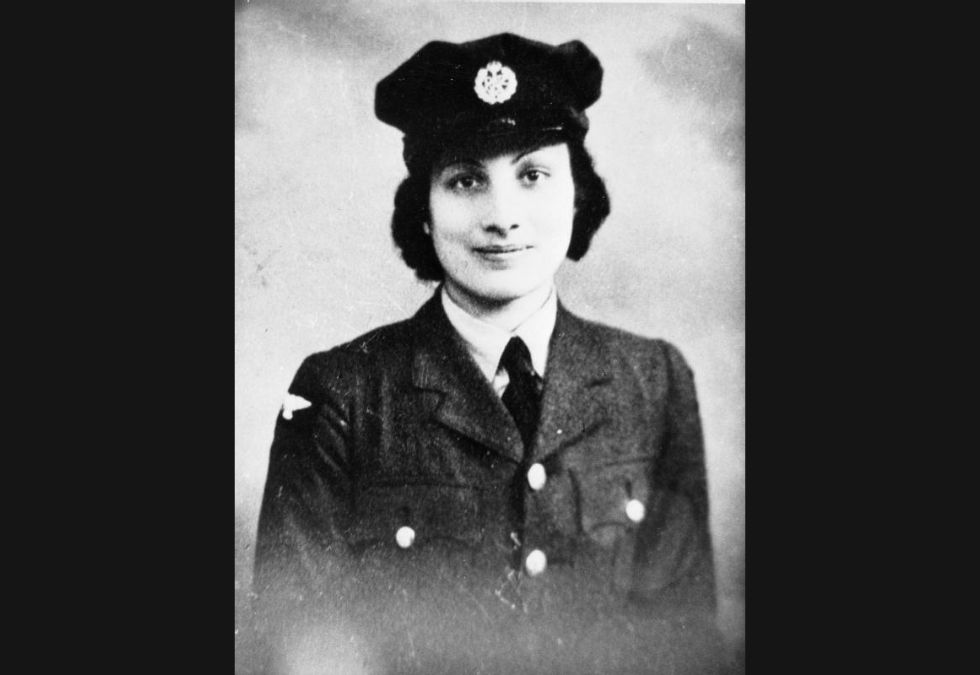
During World War II, Noor Inayat Khan served as a radio operator for Britain’s Special Operations Executive in occupied France. Despite the danger of transmitting messages under Nazi surveillance, she continued working after much of her network was compromised. Captured and eventually executed at Dachau in 1944, she became a symbol of extraordinary courage.
16. Bessie Coleman, the Aviator Who Crossed Barriers
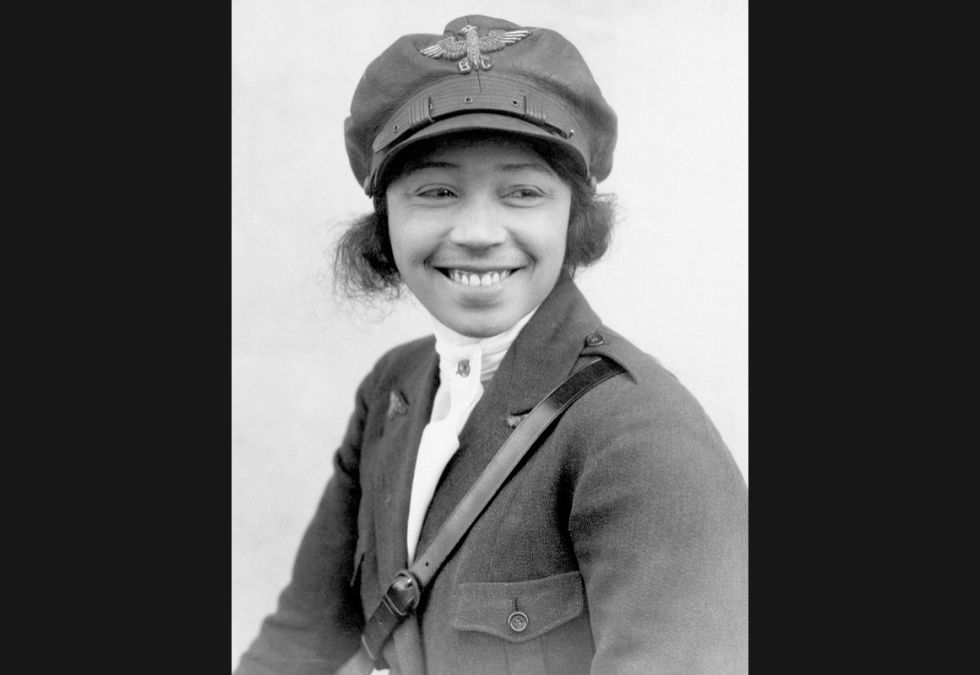
Denied admission to American flight schools because of her race and gender, Bessie Coleman travelled to France to earn her pilot’s licence in 1921. She became the first Black American woman and the first Native American woman widely recognized as holding an international pilot’s licence. Coleman performed daring aerial exhibitions and inspired future aviators before dying in a 1926 accident.
History is filled with remarkable people whose extraordinary skills and unusual abilities still leave researchers wondering how they were possible.
17. Pandurang Khankhoje, the Revolutionary Who Returned to an Unfamiliar India
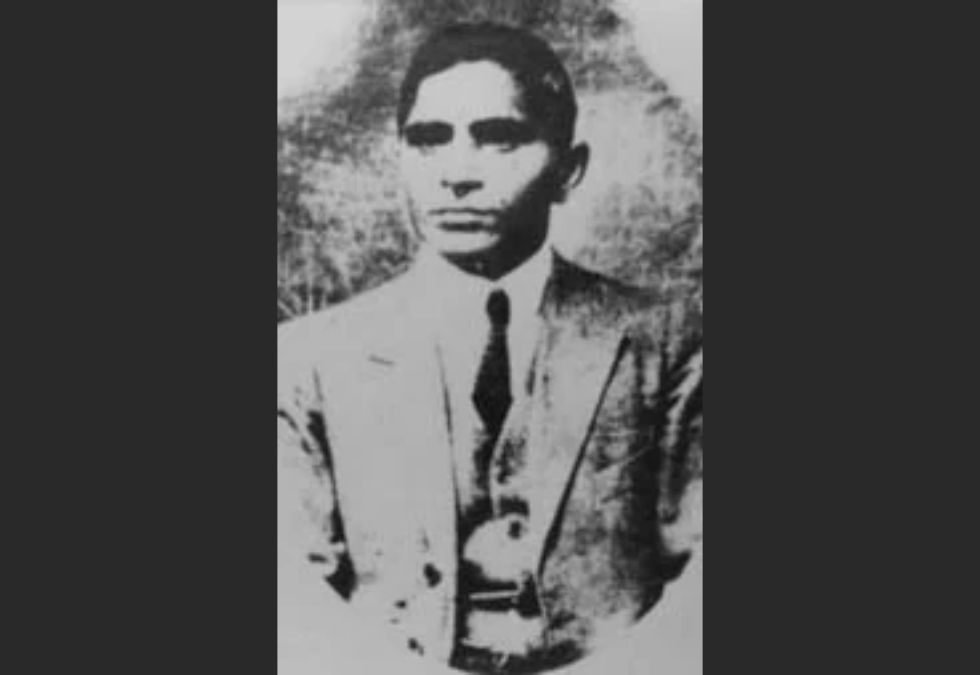
Pandurang Khankhoje left colonial India to pursue revolutionary politics and later became an agricultural scientist in Mexico. There, he contributed to agricultural research and worked within influential intellectual circles. After India’s independence, he returned expecting recognition for his revolutionary past, but public attention largely passed him by.
18. Elizabeth Magie, the Inventor Behind Monopoly’s Origins
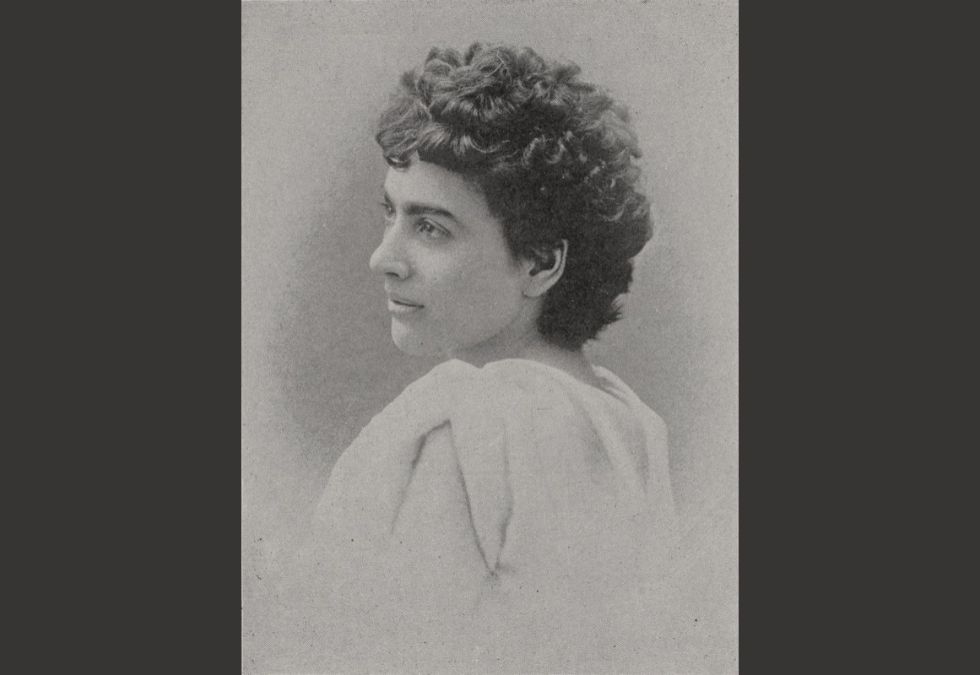
American writer and game designer Elizabeth Magie created The Landlord’s Game in the early twentieth century to demonstrate the economic consequences of land monopolies. The game shared important features with the later commercial hit Monopoly, popularized by Charles Darrow. Magie’s role received limited recognition for decades, even as Monopoly became a global phenomenon.
19. Gerda Taro, the War Photographer Behind the Lens
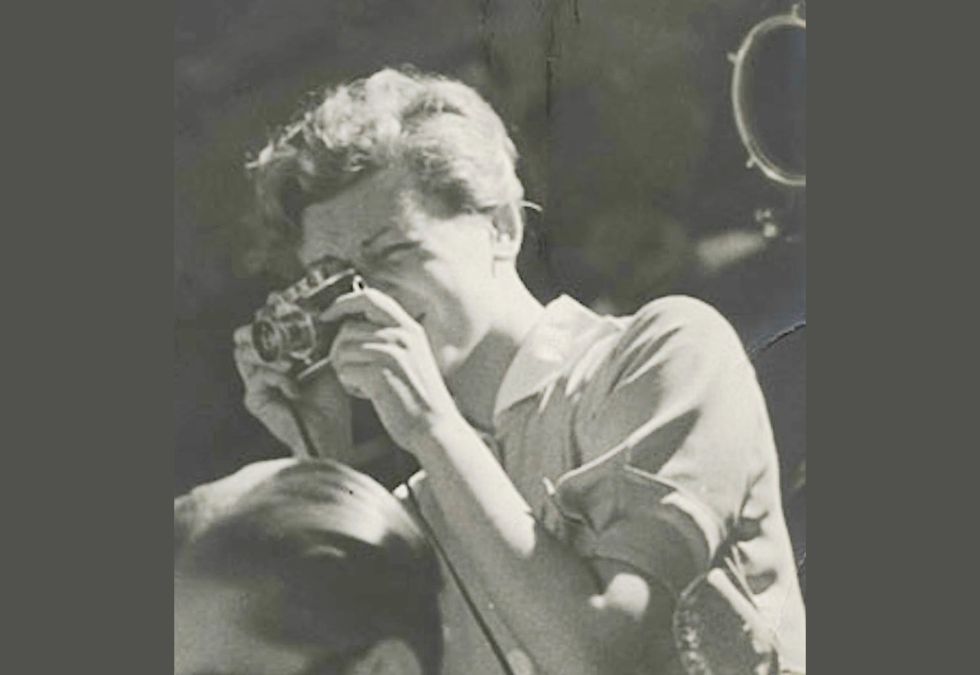
German photographer Gerda Taro documented the Spanish Civil War and became one of the first female photojournalists killed while covering a conflict. Working alongside Robert Capa, she produced striking images of soldiers and civilians amid the fighting. Her photographs were sometimes confused with or attributed to Capa, allowing her independent contribution to fade from public memory.
20. Walatta Petros, the Ethiopian Woman Who Defied Religious Power
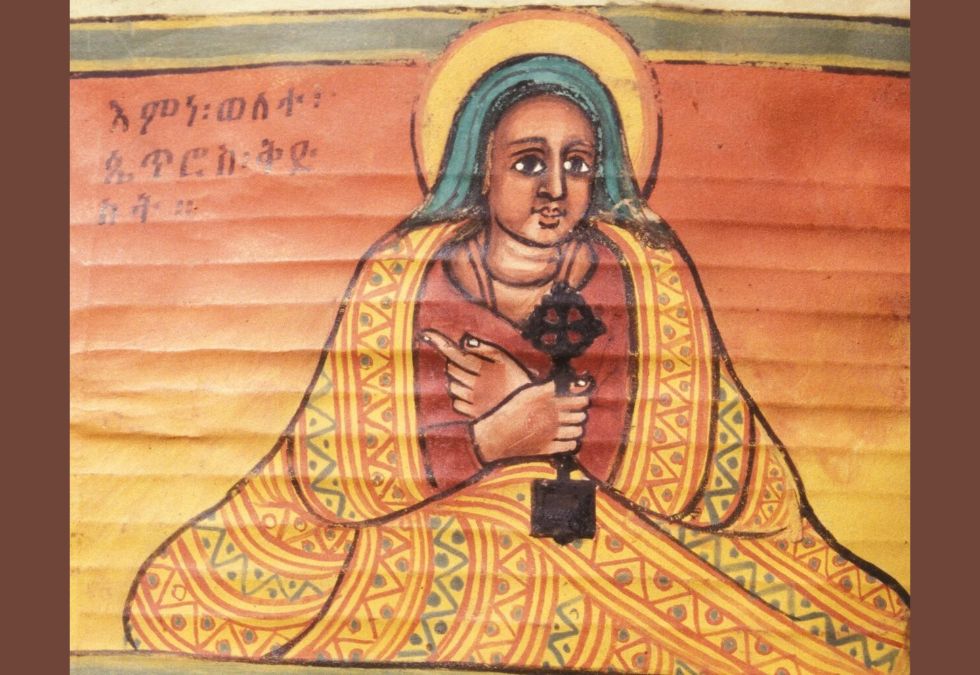
Seventeenth-century Ethiopian religious leader Walatta Petros resisted Catholic missionary efforts during a period of intense religious conflict. After rejecting her husband’s political and religious alignment, she became an influential monastic figure whose life was recorded in an Ethiopian biography.
From extraordinary memory to seemingly impossible talents, these real-life abilities show just how surprising human potential can be.
Final Thoughts
The stories of these remarkable people who were written out of history show that historical memory is rarely neutral. Some were denied credit for their discoveries, others were overshadowed by celebrated contemporaries, and many struggled against institutions that made recognition difficult.
By exploring these overlooked lives, we gain a richer understanding of how societies change and who helps make that change possible. History becomes more meaningful when we look beyond the most familiar names. These twenty people prove that the past is filled with extraordinary achievements waiting to receive the attention they deserve.
The post 20 Remarkable People Who Were Written Out of History appeared first on Oldest.org.