Pristine white makeup, elaborate kimonos, striking red lipsticks, and a very mysterious aura to their existence- that’s what we picture when we think of Geishas. But, everything you learned about Geishas from pop culture is completely off the mark.
If you truly want to understand the concept of Geisha, you need to strip away the Western myths and learn more about the true nature of this cultural history.
In here, we will be uncovering the truths and the untold history of Geishas and the world they lived in.
1. The Very First Geishas Were Actually Men
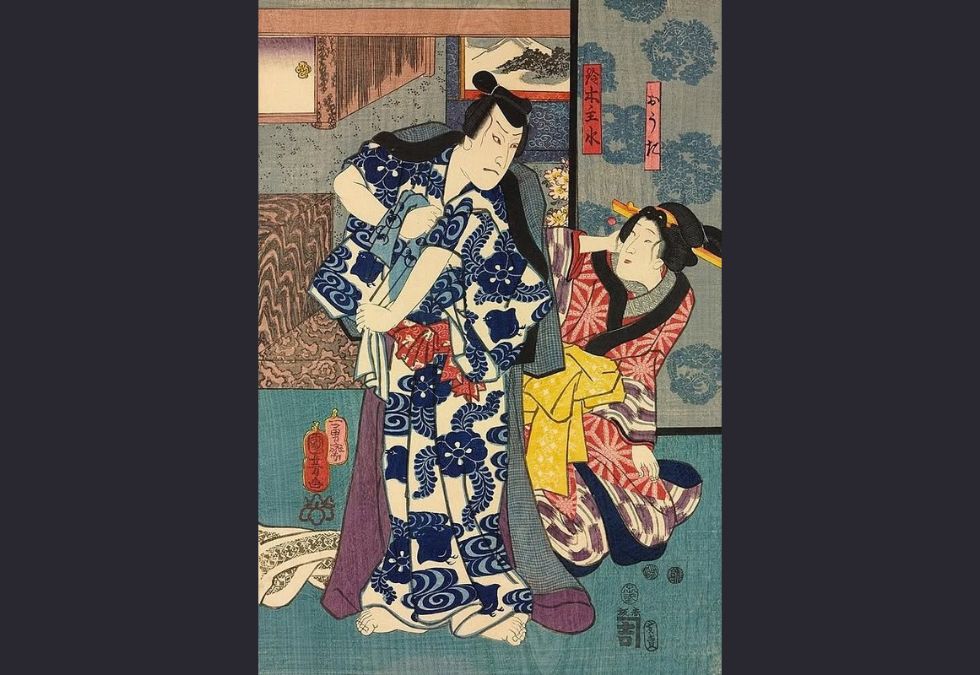
If you traveled back to Japan in the early 1700s, a male performer would have greeted you. Known as Hōkan or Taikochi, these men were court jesters, storytellers, and musicians. Their job was to keep conversations lively and support elite female courtesans long before women officially entered the profession around 1751.
2. They Were Never Courtesans or Sex Workers
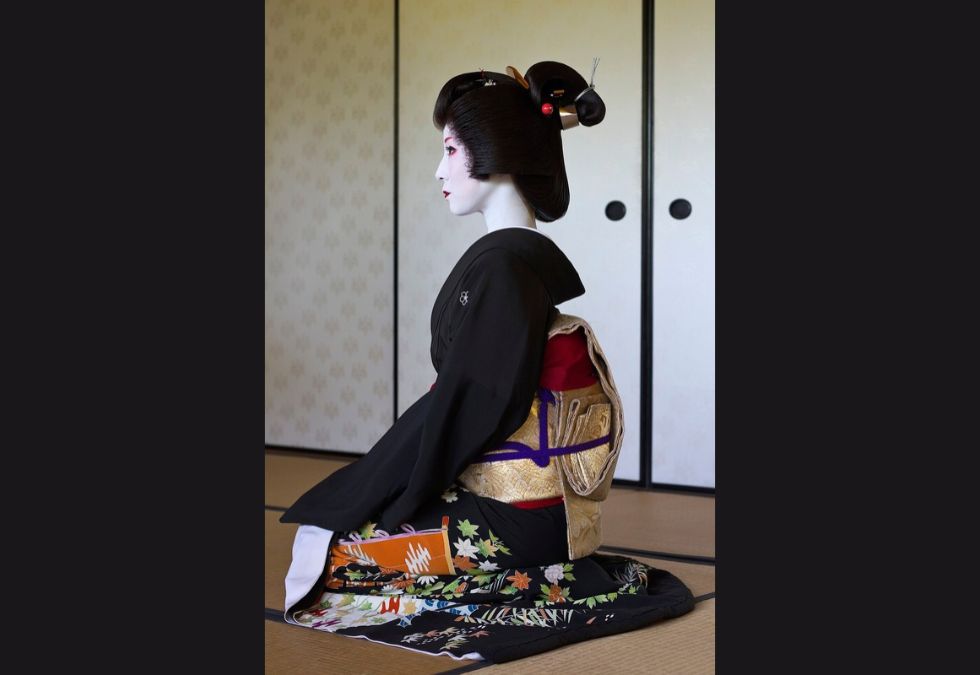
The biggest historical misconception is confusing geishas with sex workers. “Geisha” literally translates to “person of the arts.” In red-light districts, licensed courtesans sold intimacy. Geishas were hired strictly as classical artists and hostesses, with strict laws forbidding them from sleeping with clients to protect the courtesans’ trade.
3. They Played the Role of Cultural Preservers
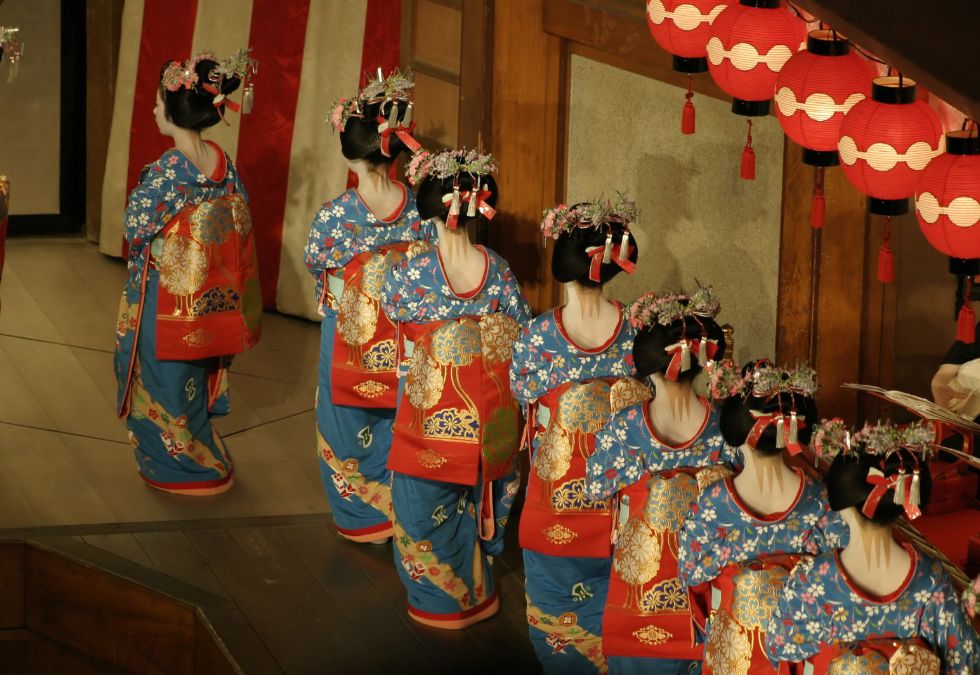
While traditional arts evolved or faded elsewhere, geishas became living vaults of classical Japanese heritage. They undergo intense training to master traditional stringed instruments like the shamisen, hand drums, ancient vocal styles, and highly stylized classical dances.
Follow us on MSN for more!
4. The “Floating World” Was an Escape from Feudal Rules
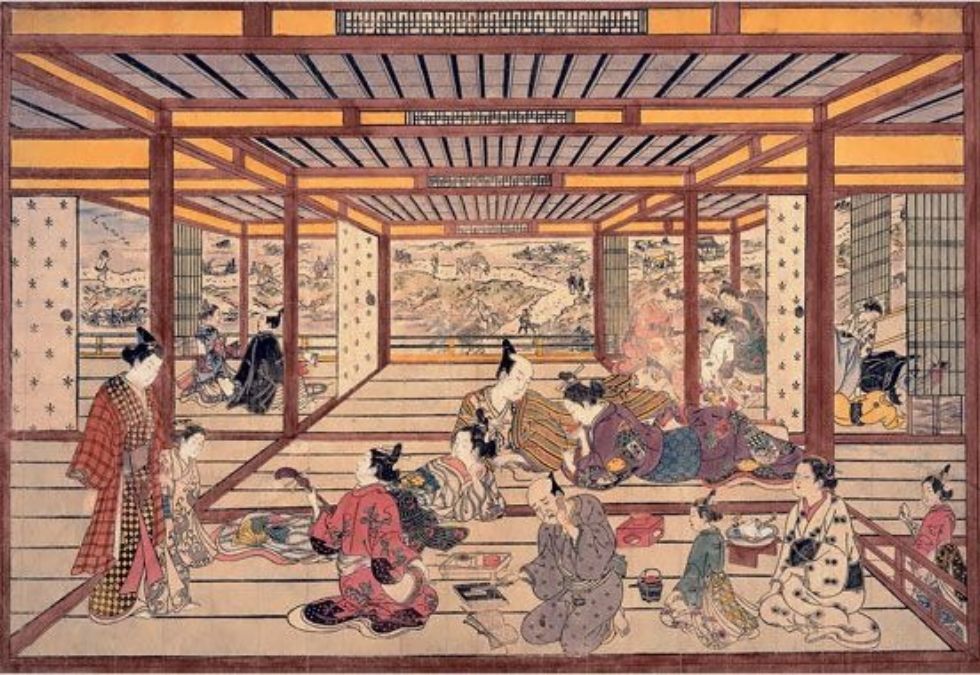
Geishas flourished within Ukiyo: the Floating World. During the Edo period, Japan lived under a strict caste system separating samurai, farmers, and merchants. However, inside licensed entertainment quarters, these rigid social boundaries dissolved. A wealthy merchant and a high-ranking samurai could sit together as equals, prioritizing art over social standing.
5. Early Female Geishas Were Known as Odoriko
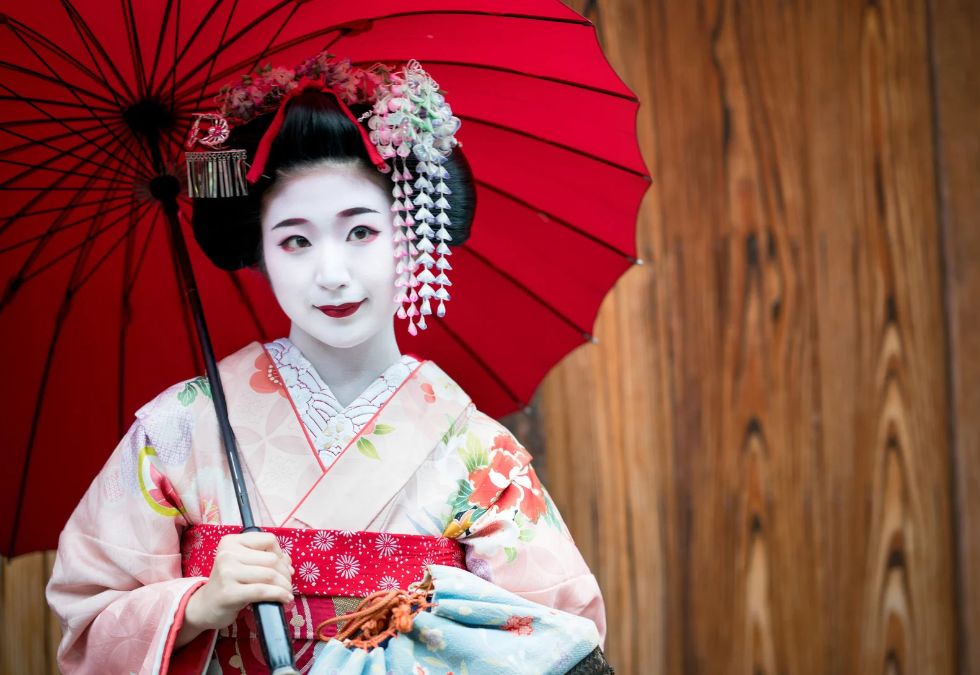
Before the title of female geisha was firmly established, young women performing classical dances in tea houses were called Odoriko (“dancing girls”). As these dancers matured, they expanded their talents to include musical mastery and political banter, laying the structural groundwork for the professional female geisha.
6. Training Started in Childhood Inside the Okiya
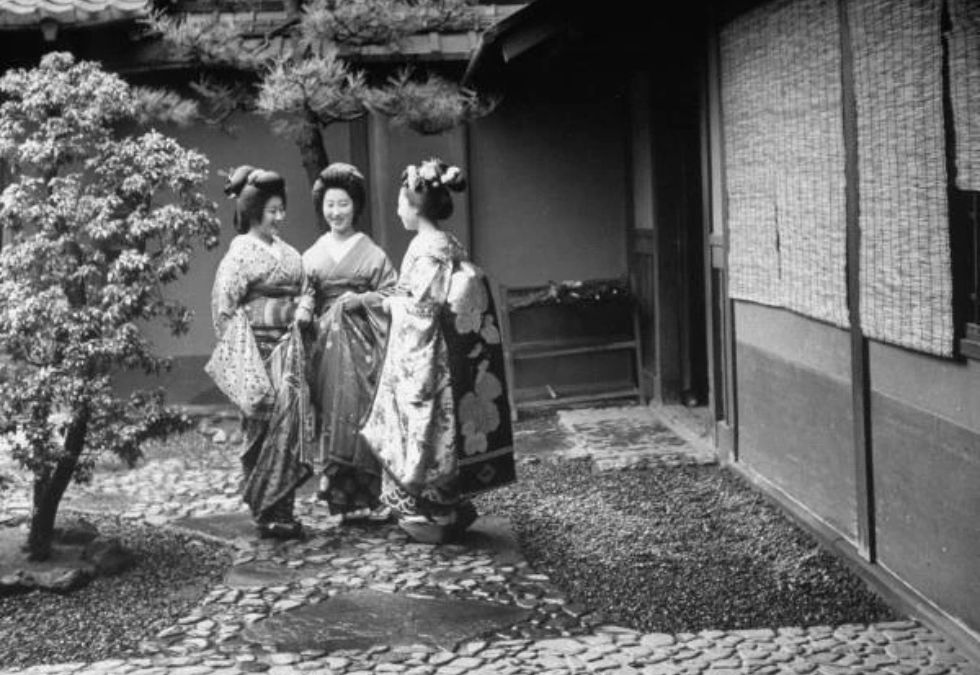
Becoming a geisha was a lifelong commitment that historically began in childhood. Young girls brought into a geisha house (Okiya) started as Shikomi, serving as household maids. This intensive trial period built character, humility, and discipline long before an apprentice was ever allowed to pick up an instrument or touch makeup.
Rare photos of Japan’s past offer a fascinating glimpse into the lives of the last samurai and the world they lived in.
7. The Sisterhood Bond
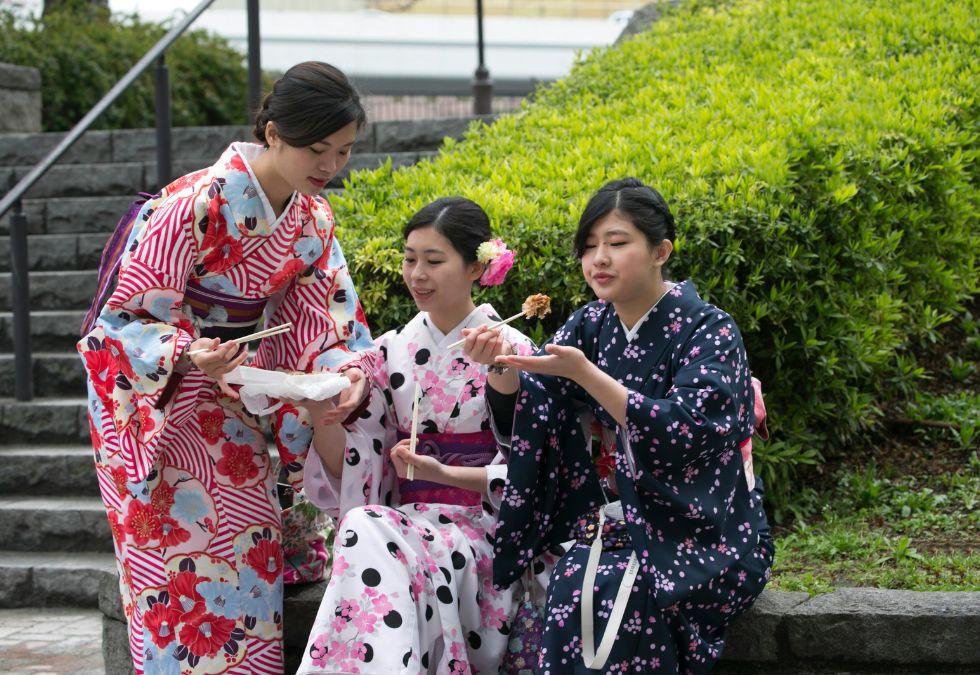
Every novice was paired with a senior geisha who acted as her Oneesan (“older sister”). This mentor taught her performance skills, introduced her to elite clientele, and guided her through complex social etiquette, cementing their lifelong professional bond through a sacred sake-drinking ceremony.
8. A Maiko’s Appearance Tells You Her Exact Skill Level
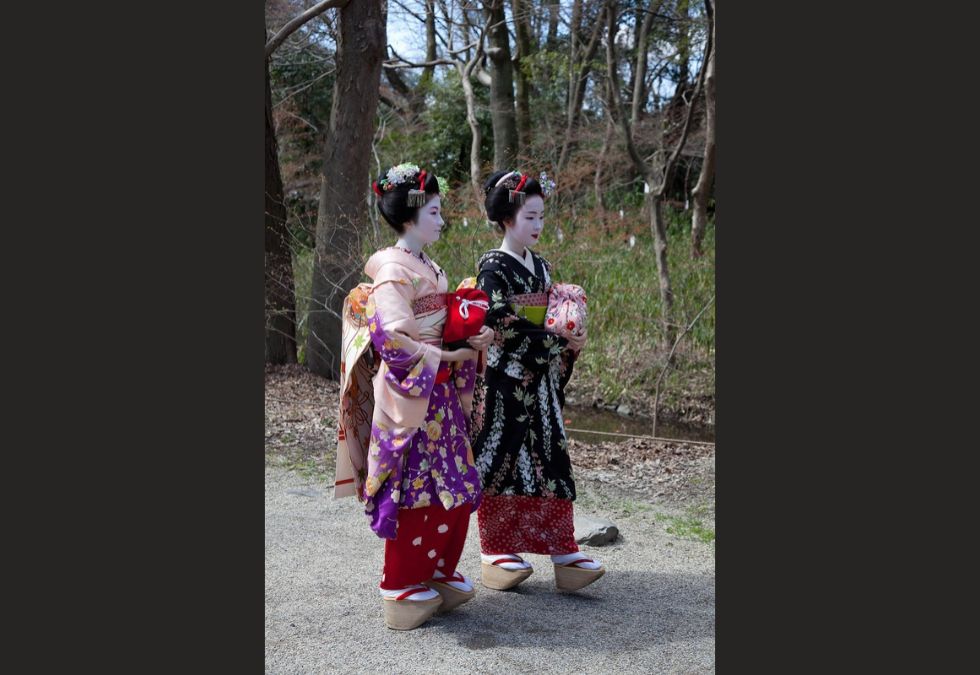
An insider can immediately read a performer’s experience through her clothing. Counterintuitively, an apprentice (Maiko) wears far more lavish outfits including bright hanging-sleeve kimonos, tall wooden clogs, and seasonal floral hair ornaments. As she graduates to a full Geisha, her style becomes understated and subtle, shifting attention entirely to artistic mastery.
9. That White Makeup Has a Very Practical Historical Purpose
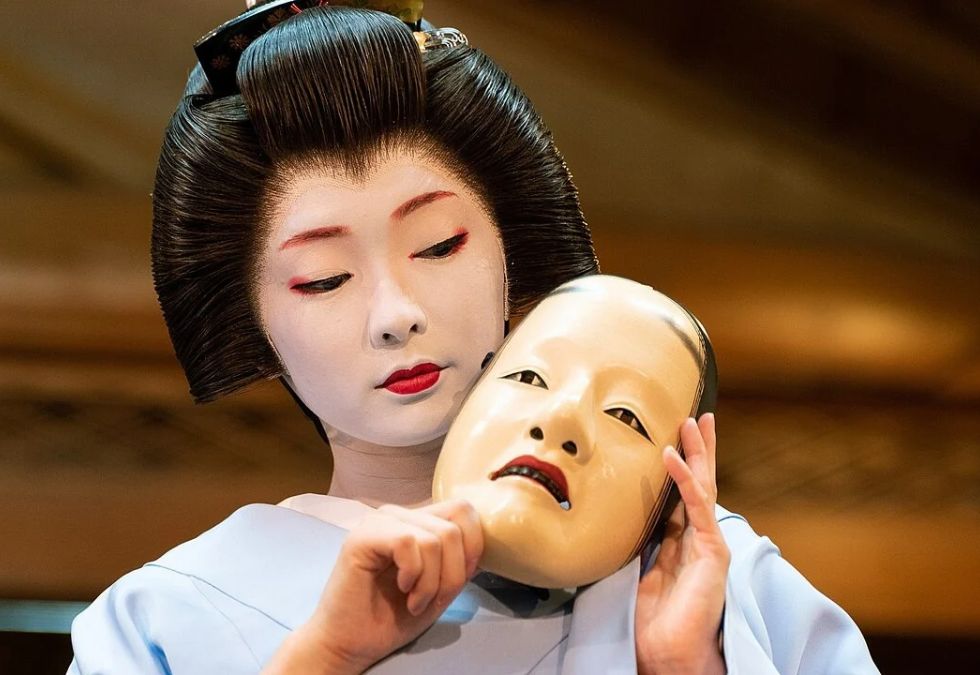
The iconic white face paint (Oshiroi) was born out of clever practical necessity. Before electricity, tea houses were dimly lit by flickering candles and paper lanterns. The thick rice-powder paste reflected faint light, allowing clients to clearly see the artist’s facial expressions clearly.
10. The Kimono Was an Investment Worth Small Fortunes
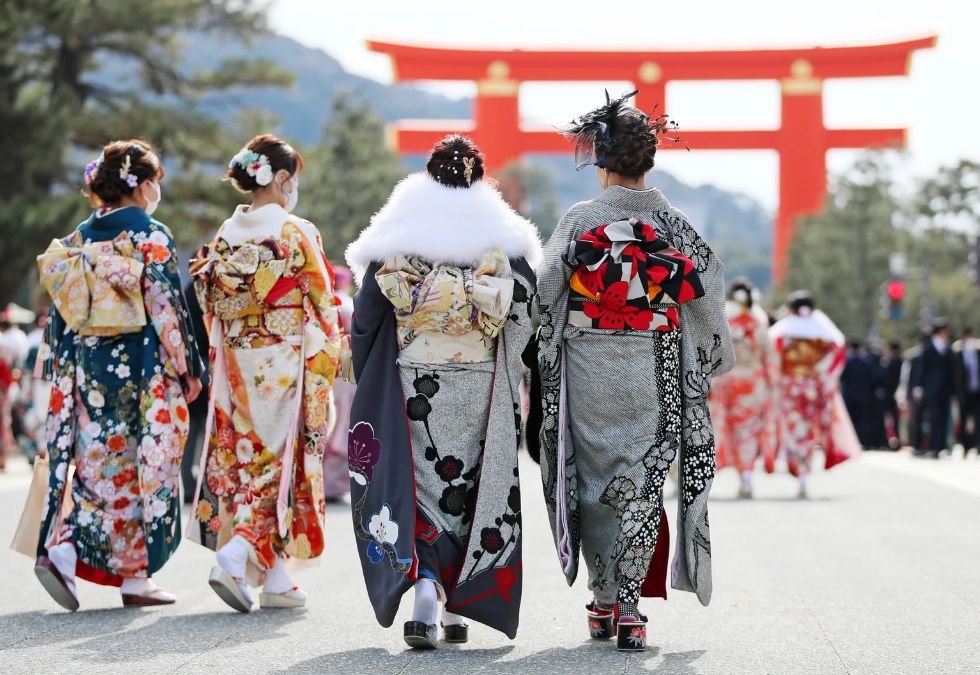
A high-ranking geisha’s wardrobe rivaled royalty, with single hand-woven silk kimonos costing as much as a modern luxury vehicle. Because these heavy garments were so complex, geishas relied on male dressers called Otokoshi to tightly bind their intricate silk sashes (obi).
11. Geisha Houses Built an Early Empire of Female Entrepreneurship
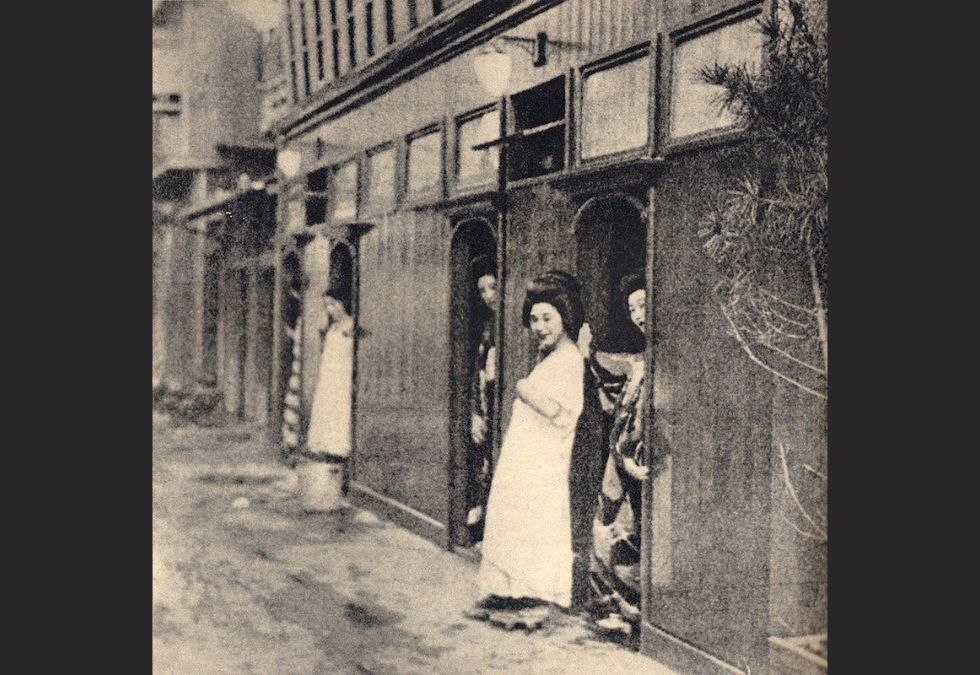
In feudal Japan, women held almost no legal or financial rights, making the geisha world a rare, powerful exception. Geisha houses (Okiya) and tea houses (Ochaya) were owned and managed by women called Okami-san. These matriarchs ran profitable, self-sustaining businesses, negotiated contracts, and managed finances in a male-dominated society.
Japan is home to many historic landmarks, including ancient castles that offer a glimpse into the country’s rich past and centuries-old traditions.
12. The Mysterious Tradition of Mizuage
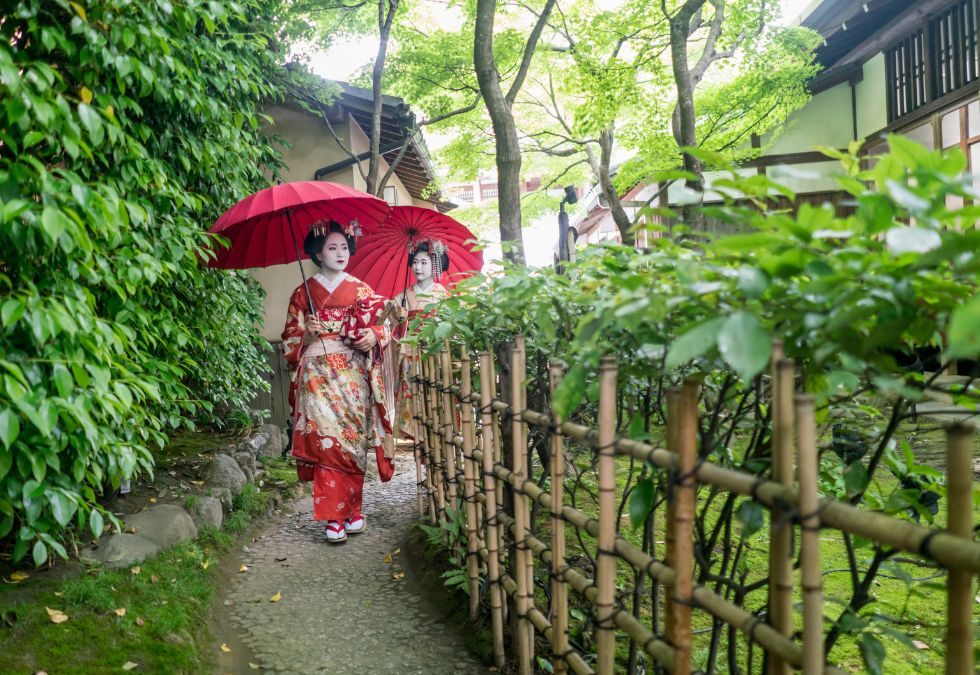
Mizuage is one of the most misunderstood aspects of geisha history. While red-light districts used the term for selling an apprentice’s virginity, within true geisha communities, it marked a ceremonial rite of passage. It involved a change of hairstyle and status, signifying the artist was now financially independent and capable.
13. They Were the Custodians of Political and Corporate Secrets
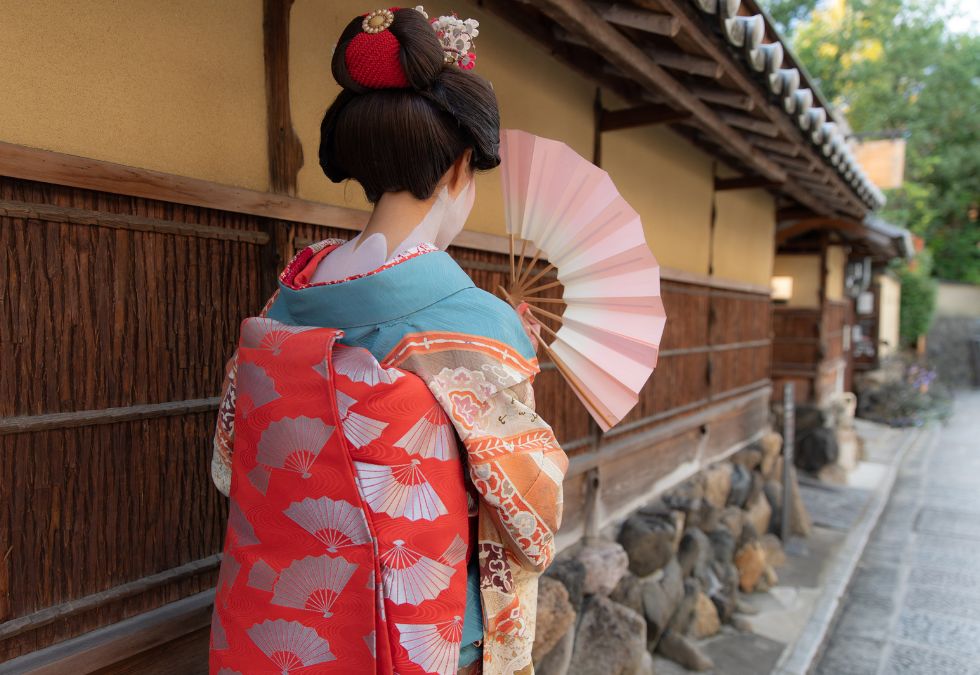
Tea house banquets (Ozashiki) served as secret boardrooms for Japan’s elite. Powerful politicians, revolutionaries, and business leaders met in private rooms to negotiate deals and orchestrate political shifts. Geishas overheard national secrets daily, but their strict code of absolute discretion made them deeply trusted confidantes to powerful leaders.
14. World War II Nearly Extinguished the Tradition
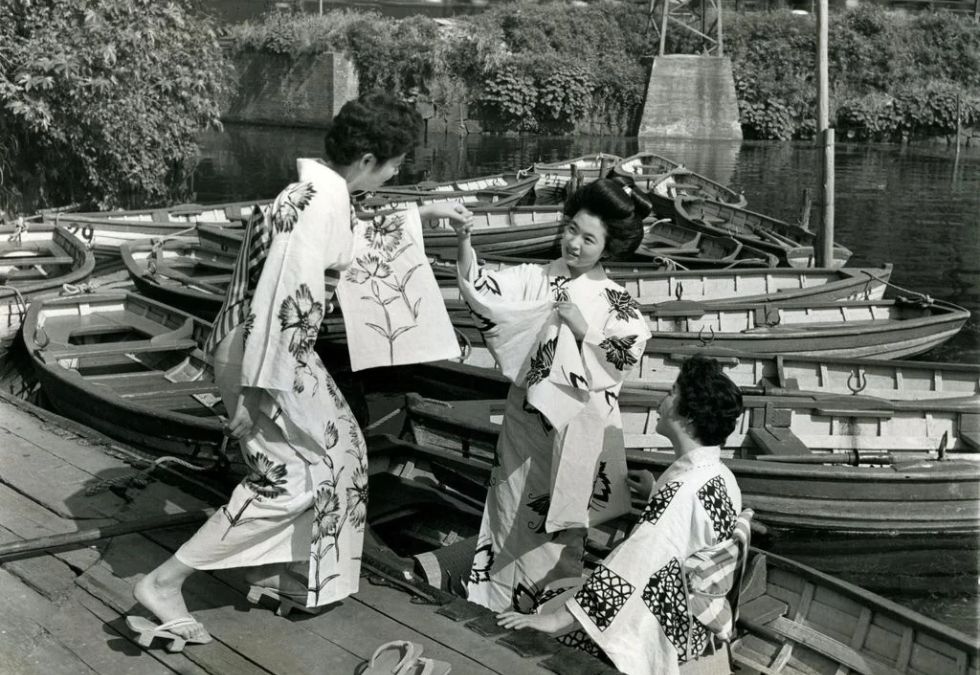
World War II brought the geisha world to the edge of collapse. The government shut down entertainment districts, labeling luxury banquets unpatriotic. Geishas were forced to work in military factories or serve as nurses.
15. Western Soldiers and the “Geisha Girl” Myth
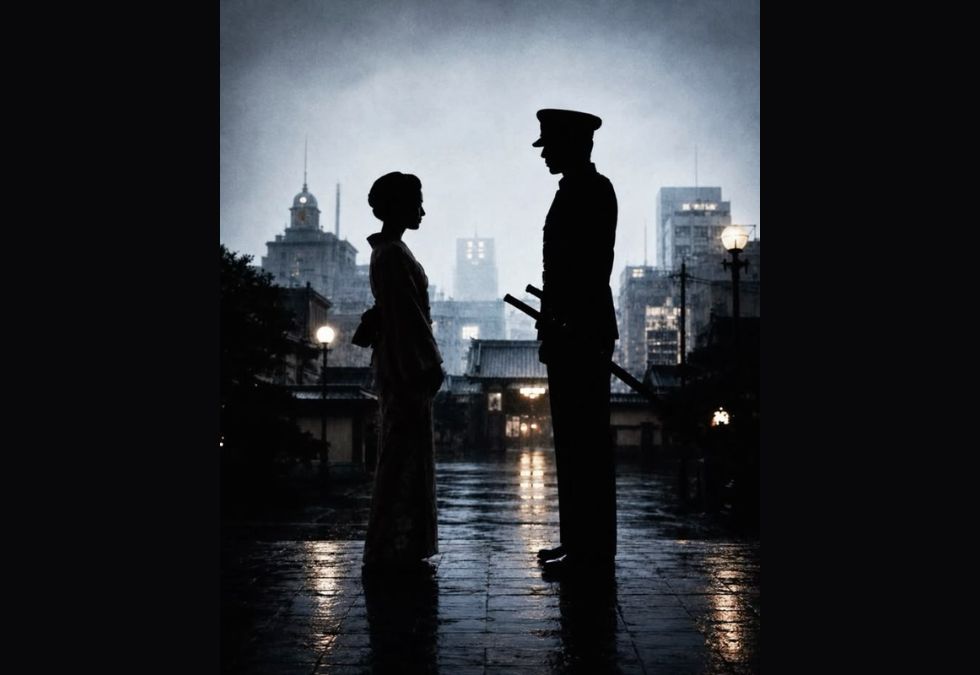
During the post-war Allied occupation, impoverished local sex workers dressed in cheap kimonos and white face paint to solicit American soldiers, calling themselves “Geisha Girls.” Troops returned home with these stories, accidentally creating the widespread Western myth that geishas were high-end prostitutes rather than dedicated, highly trained classical artists.
16. Kyoto’s Hanamachi
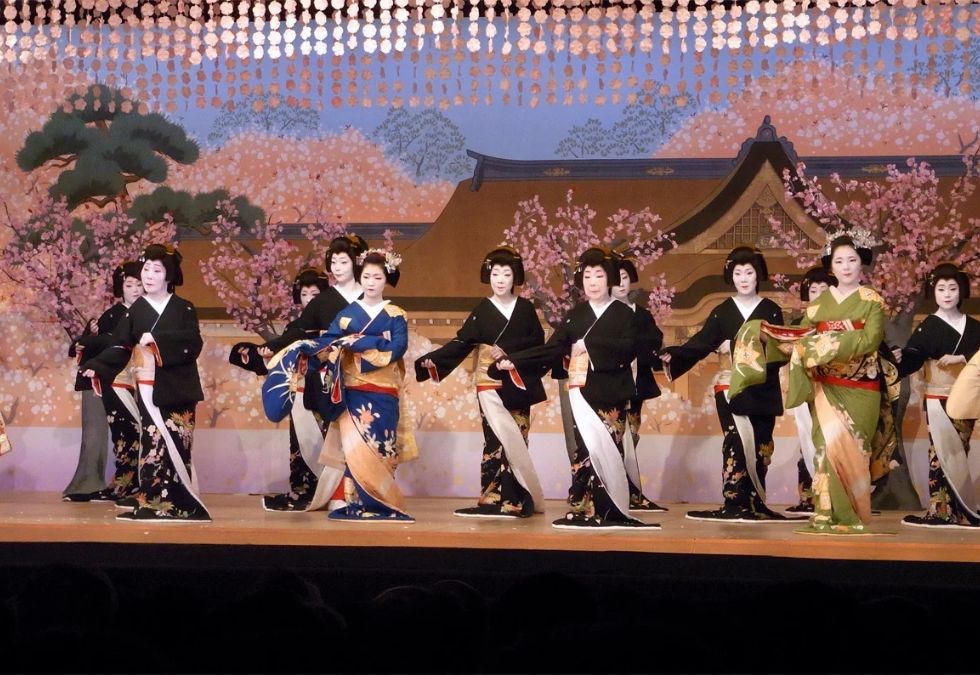
Traditional geisha culture survives in preserved historic neighborhoods known as Hanamachi (“Flower Towns”). Kyoto remains the ultimate hub of this world, with famous districts like Gion and Pontocho. Walking these cobblestone streets at dusk feels like stepping back centuries.
Japanese names carry deep cultural meaning, and these rare Japanese names offer unique options for parents looking for something distinctive for their baby.
17. The Rules of Access
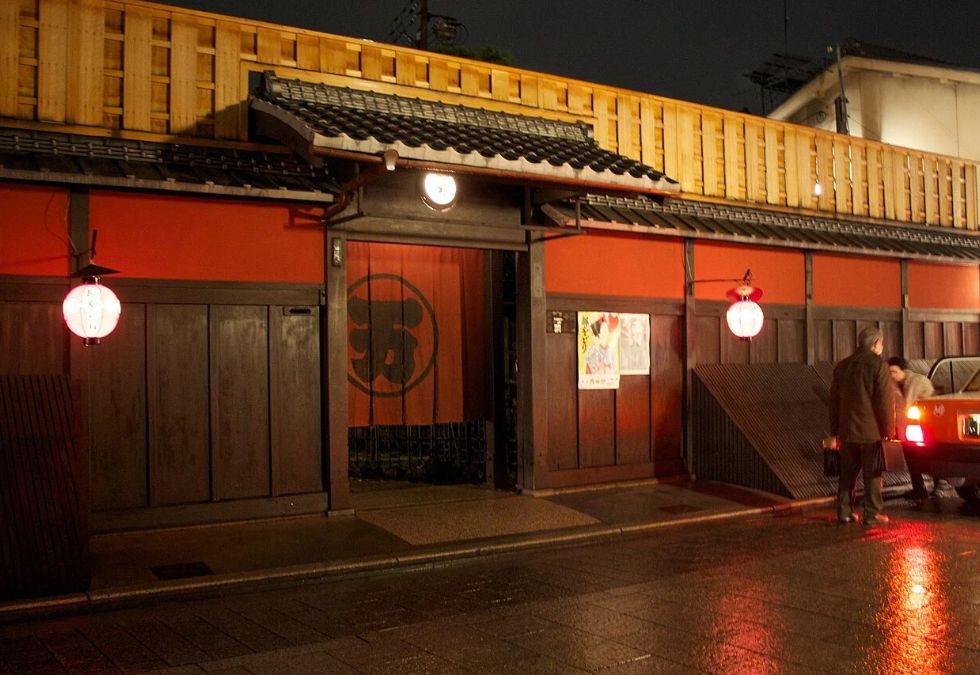
You cannot simply walk into an exclusive tea house (Ochaya) and order a table. The system relies on Ichimoku-san Kotowari, meaning first-time guests without an existing member’s personal introduction are turned away. Because banquets are billed on trust monthly, an established sponsor must always vouch for a new client’s conduct.
18. Marriage Meant Retirement
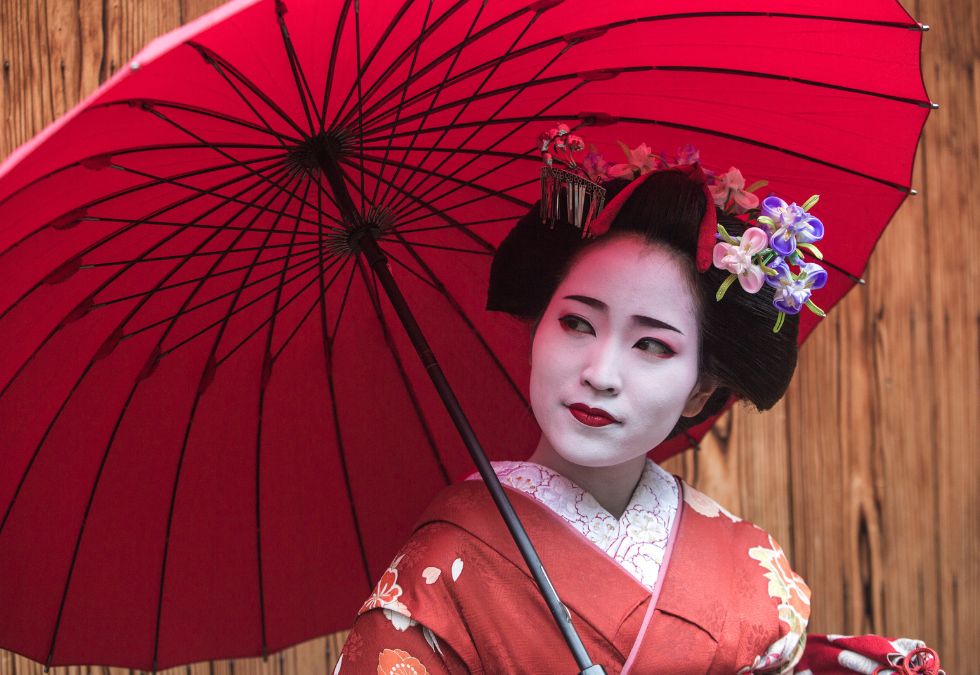
n traditional geisha culture, a woman cannot balance a career with marriage. Choosing to marry requires a geisha to formally retire from her Okiya. Historically, wealthy patrons called Danna provided long-term financial support for living expenses and art training, allowing geishas to maintain their professional independence without getting married.
19. A Geisha’s Most Important Skill Was Often Reading the Room
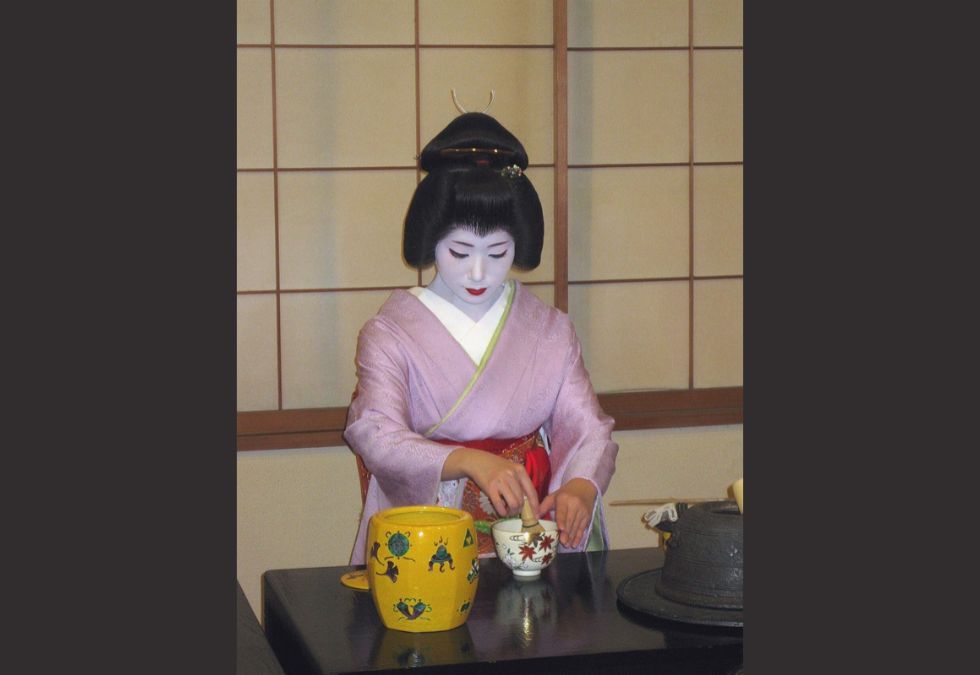
A geisha might entertain a group of businessmen one evening and a gathering of artists or cultural figures another. Each group could have different interests, expectations, and conversational habits. Knowing when to speak was just as important as knowing what to say. A skilled entertainer could help guests relax without embarrassing anyone, encourage conversation without making it feel forced, and handle awkward moments gracefully.
20. Not Every Geisha Was Wealthy or Independent
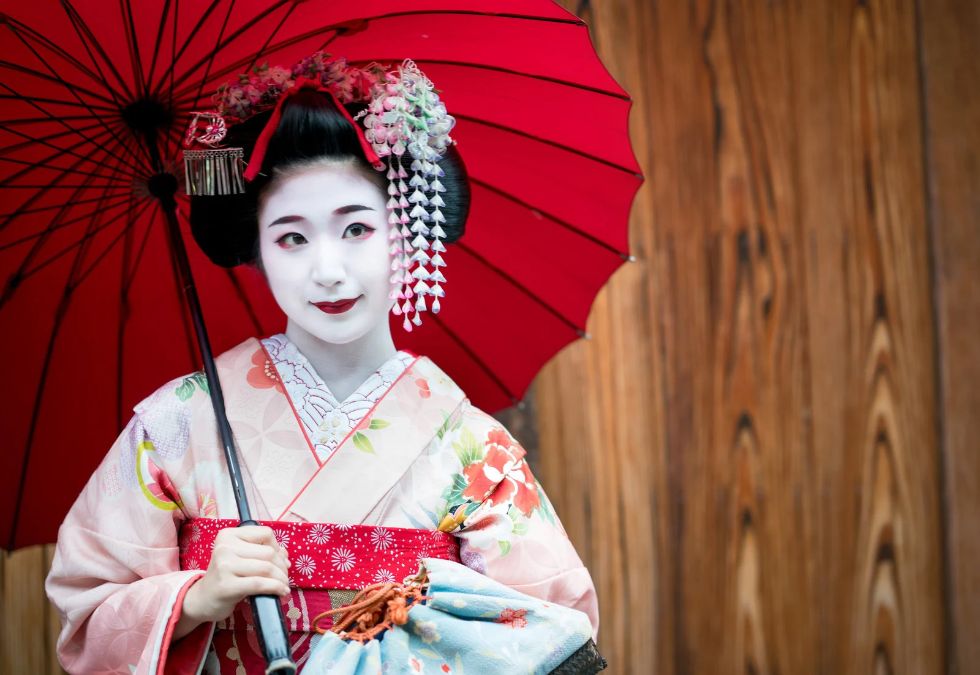
The situation varied considerably. Some women came from families with connections to the entertainment world, while others entered the profession because their households faced financial hardship. An established geisha with a strong reputation could attract regular clients and earn a respectable living. A less successful performer might struggle to cover professional expenses.
Japan’s history is full of fascinating stories, and the country’s oldest billionaire offers another look at the lives and legacies of its wealthiest people.
Final Words
The true story and significance of a geisha is a lot more compelling than what fiction tells us. It is a story of female strength in a patriarchal society, artistic devotion, cultural survival against the odds, and an unshakeable commitment to perfection.
The post The Untold History of Geishas and the World They Lived In appeared first on Oldest.org.