Humans build towering skyscrapers, sprawling bridges, and homes packed with clever engineering. But here is the surprising part: some animals create architectural masterpieces without blueprints, power tools, or a single construction worker. From termites that engineer natural air-conditioning systems to birds that weave elaborate nests, the animal kingdom has some seriously impressive builders.
Ready to meet nature’s tiny architects? These 15 animal builders prove that incredible construction skills do not require opposable thumbs.
1. Termites Build Towering Mounds With Natural Air Conditioning
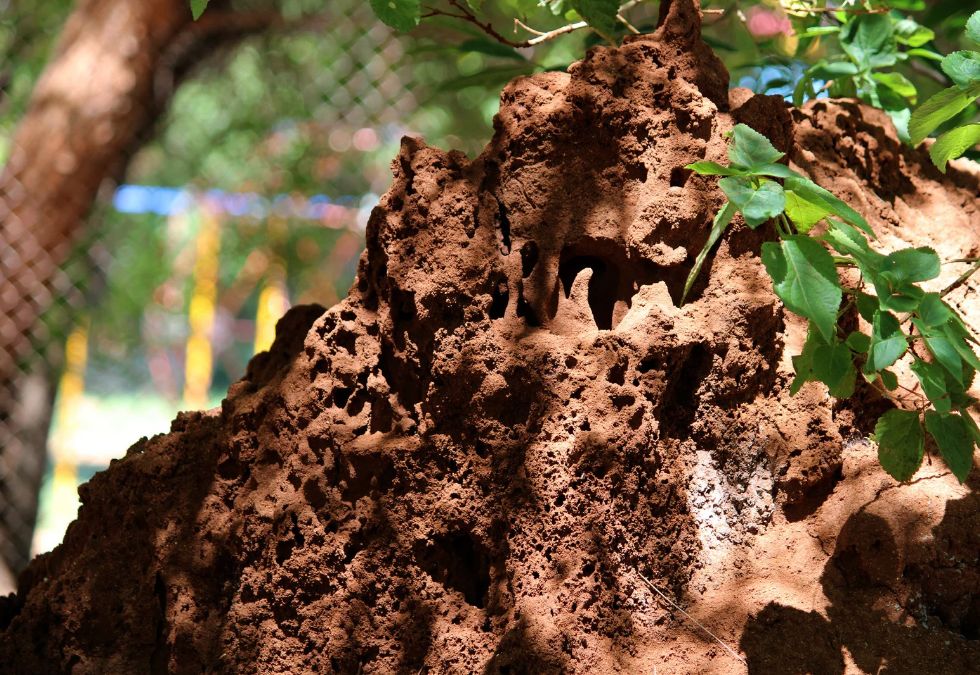
Termites might be tiny, but their architectural ambitions are enormous. Some species construct towering earthen mounds containing intricate networks of tunnels, chambers, and ventilation passages. These structures can rise several metres above the ground and provide shelter for enormous colonies. Their design helps regulate temperature, humidity, and gas exchange, keeping the colony’s underground environment suitable for survival.
2. Beavers Create Dams That Transform Entire Landscapes
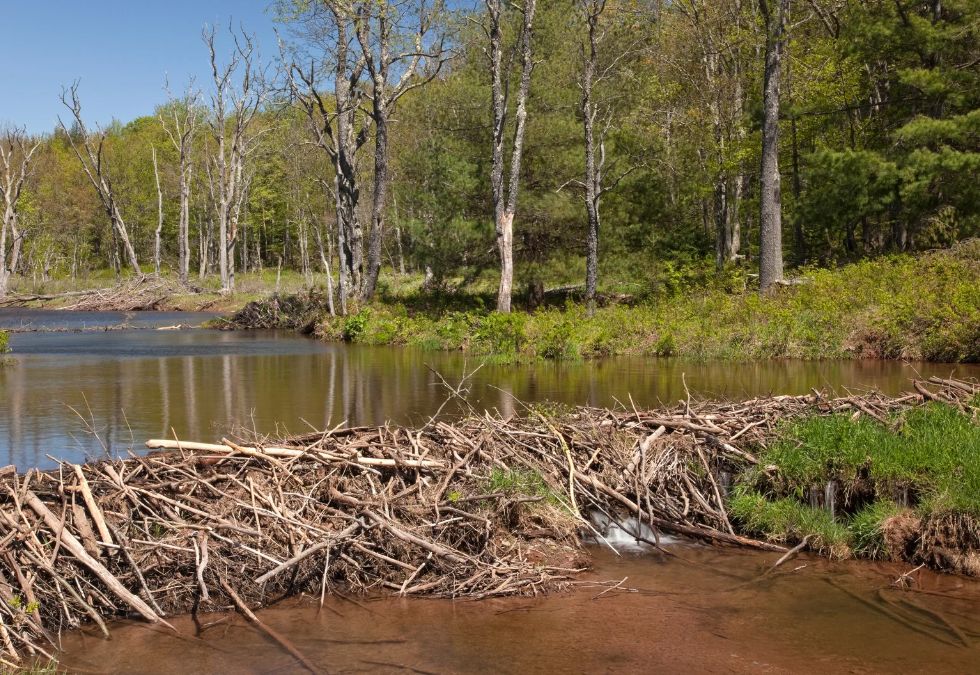
Beavers are nature’s civil engineers, and their dams can dramatically reshape the places they inhabit. Using branches, sticks, stones, and mud, these industrious rodents slow flowing water and create ponds where they can build safer homes. The resulting wetlands provide habitat for fish, amphibians, birds, and numerous other species.
3. Weaver Birds Sew Nests With Incredible Precision
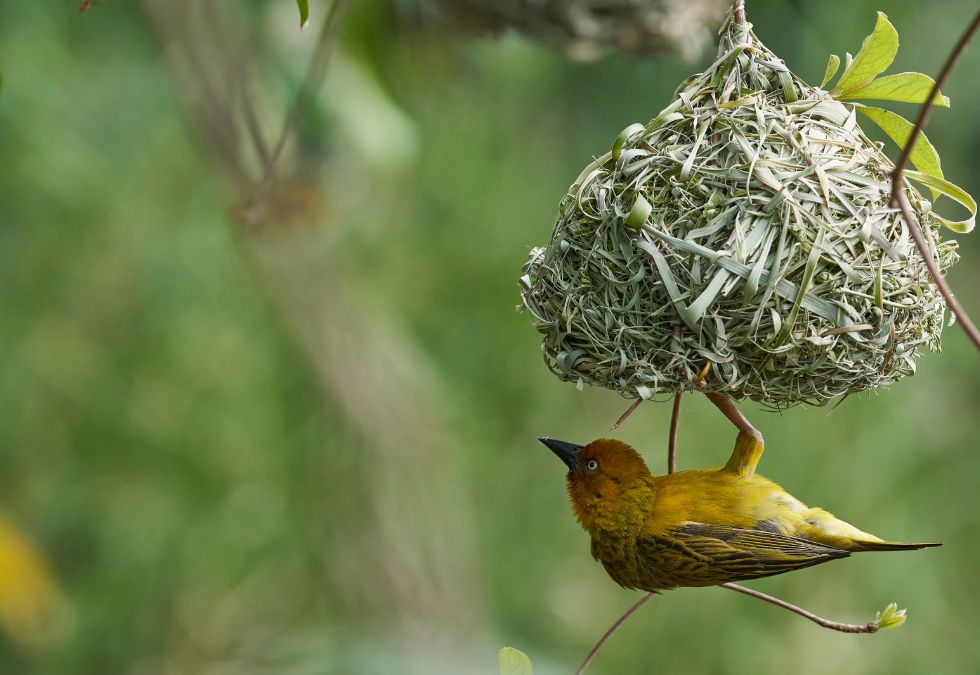
If birds had an architectural design competition, weaver birds would deserve a place in the finals. These small birds use long strips of grass, reeds, and other plant fibres to weave elaborate nests, often suspending them from branches. Their construction involves threading, looping, tightening, and shaping materials into protective chambers for eggs and chicks.
Follow us on MSN!
4. Ants Build Underground Cities With Multiple Chambers
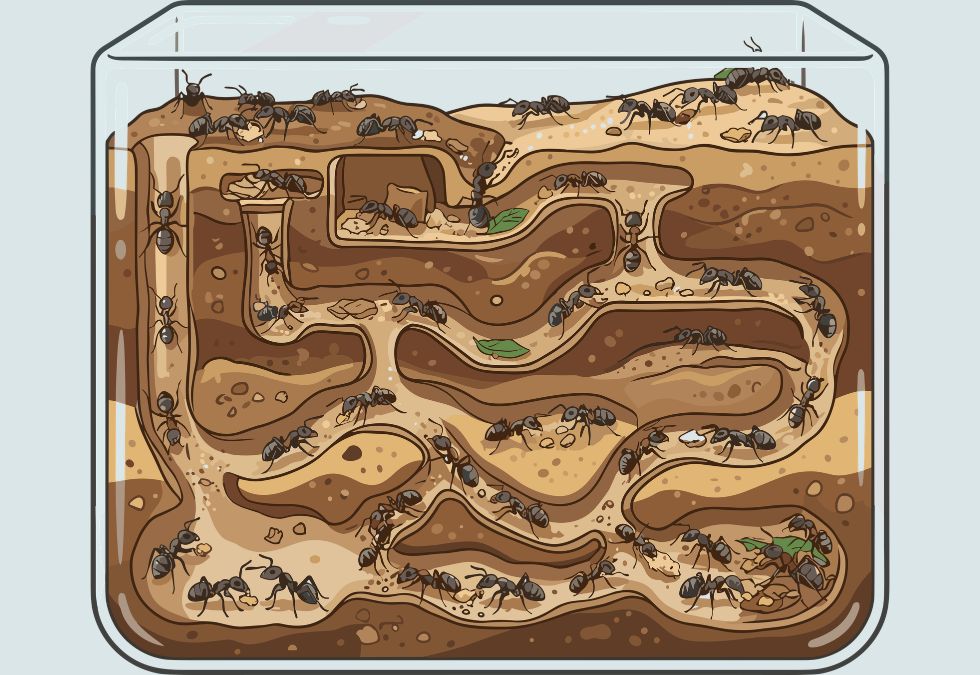
An ant colony can look like an ordinary patch of soil from above, but beneath the surface may lie an extensive network of tunnels and chambers. Depending on the species, these underground spaces house the queen, store food, shelter developing larvae, and provide routes for workers to move around efficiently. Some colonies occupy remarkably large and complex nests.
5. Bowerbirds Build Decorative Structures to Impress Potential Mates
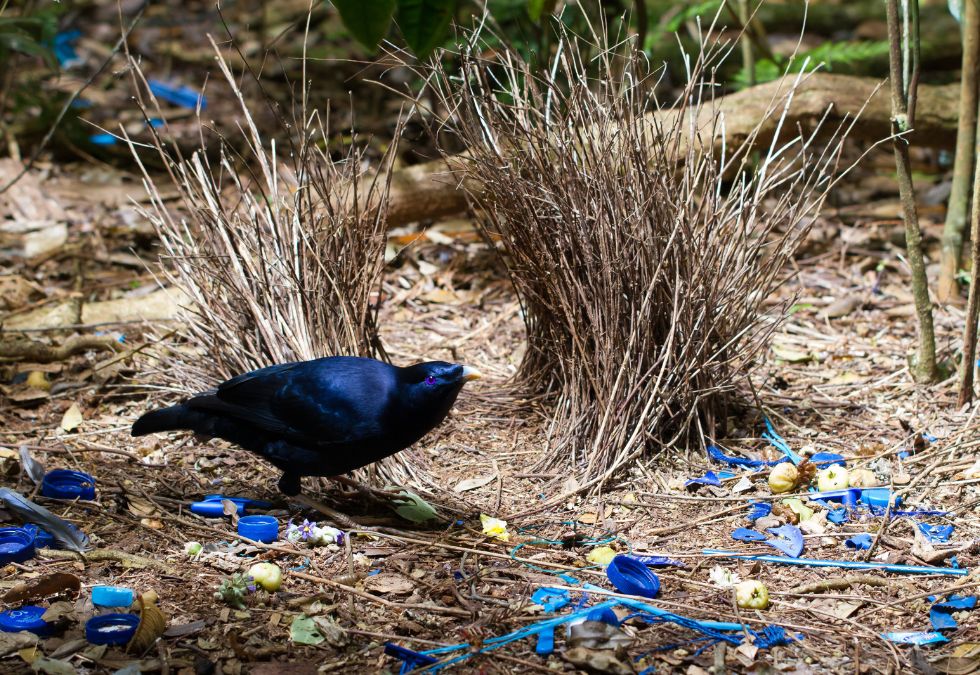
Forget expensive houses and fancy interiors. Male bowerbirds take courtship decoration to an extraordinary level by building structures called bowers. Depending on the species, they arrange sticks into avenues, walls, or hut-like displays, then decorate the surrounding area with colourful objects. Satin bowerbirds famously favour blue items, carefully arranging them to create an eye-catching display for visiting females.
6. Honeybees Construct Perfectly Shaped Wax Honeycombs
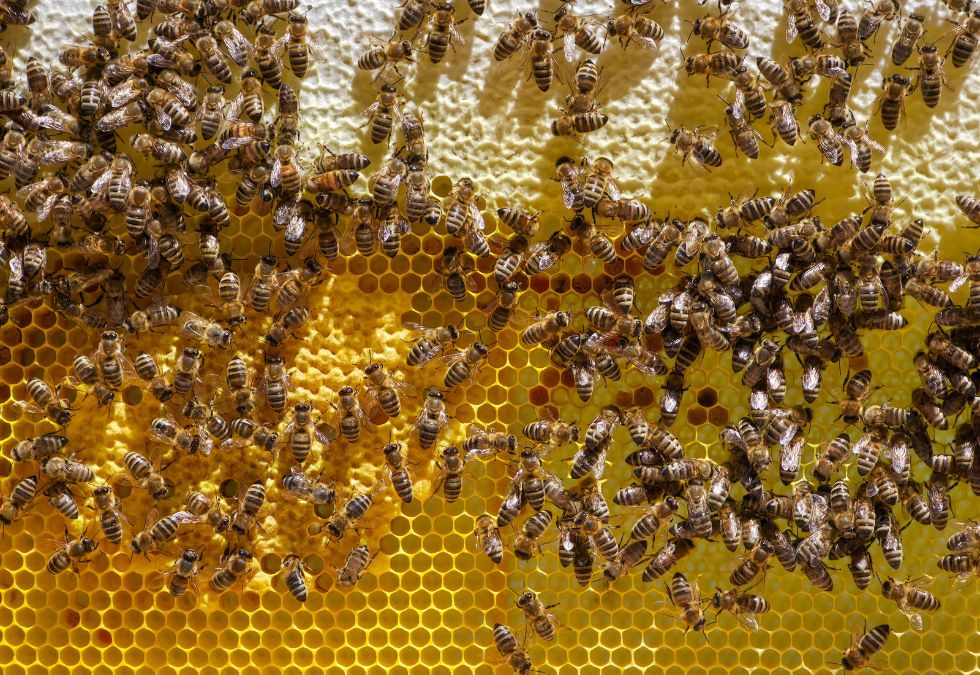
Honeybees build one of nature’s most recognisable structures: the honeycomb. Using wax produced by specialised glands, worker bees construct adjoining hexagonal cells that store honey and pollen or house developing larvae. The repeated geometric pattern allows the colony to organise its storage and brood-rearing spaces within a compact structure. The hexagonal cells are a highly efficient arrangement, although the comb’s final shape and dimensions depend on the colony’s needs and surroundings.
From clever animal architects to fearsome ancient predators, the natural world has always been full of surprises, including the deadliest prehistoric creatures that once ruled our planet.
7. Paper Wasps Build Lightweight Nests From Chewed Wood
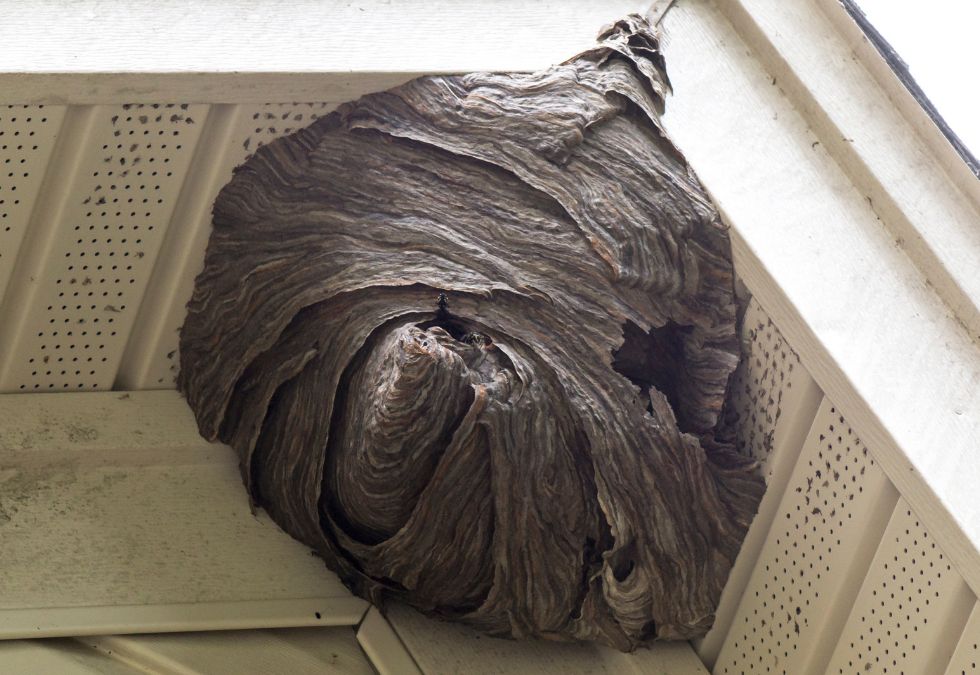
Paper wasps manufacture their own building material by scraping fibres from wood and other plant sources, chewing them, and mixing them with saliva. The resulting pulp dries into a lightweight paper-like substance that forms the nest’s framework and delicate hexagonal brood cells. Unlike honeybees, these wasps do not construct their nests from wax. The finished structure often hangs beneath branches, eaves, or other sheltered surfaces. Its open cells allow adult wasps to tend their developing young, while the layered paper walls provide a functional home.
8. Sociable Weavers Build Giant Communal Apartment Blocks
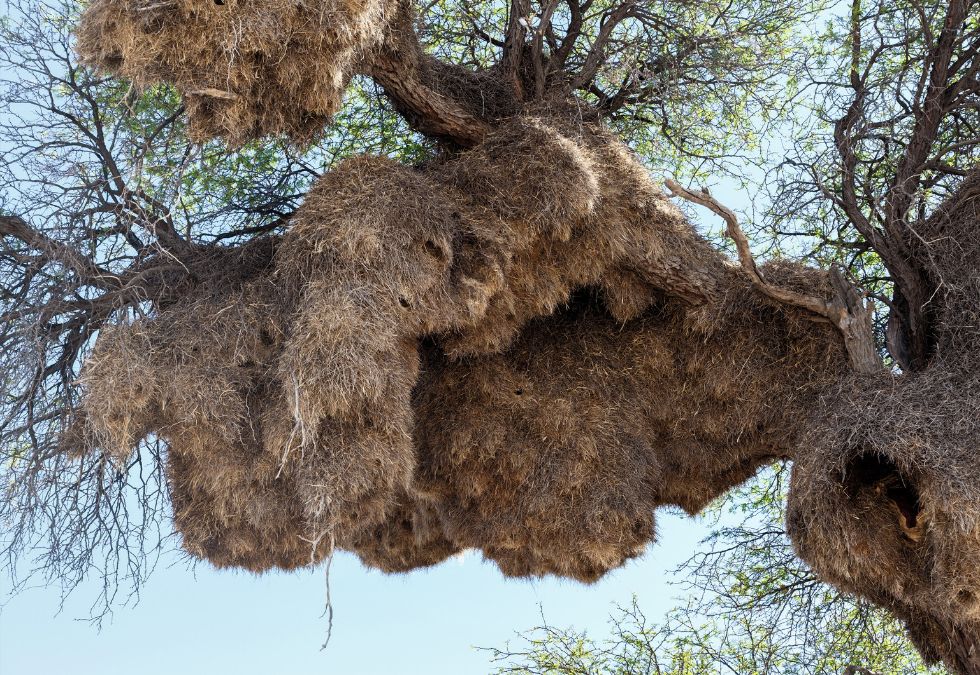
Sociable weavers of southern Africa take shared housing to another level. These small birds construct enormous communal nests from dry grasses, often creating bulky structures that hang from trees or utility poles. Beneath the sprawling outer roof are separate nesting chambers used by individual pairs, making the structure resemble a crowded apartment building. The design is particularly useful in the region’s challenging climate. The thick thatch helps buffer temperature fluctuations, while the communal arrangement allows many birds to shelter in one place.
9. Caddisfly Larvae Build Protective Cases Underwater
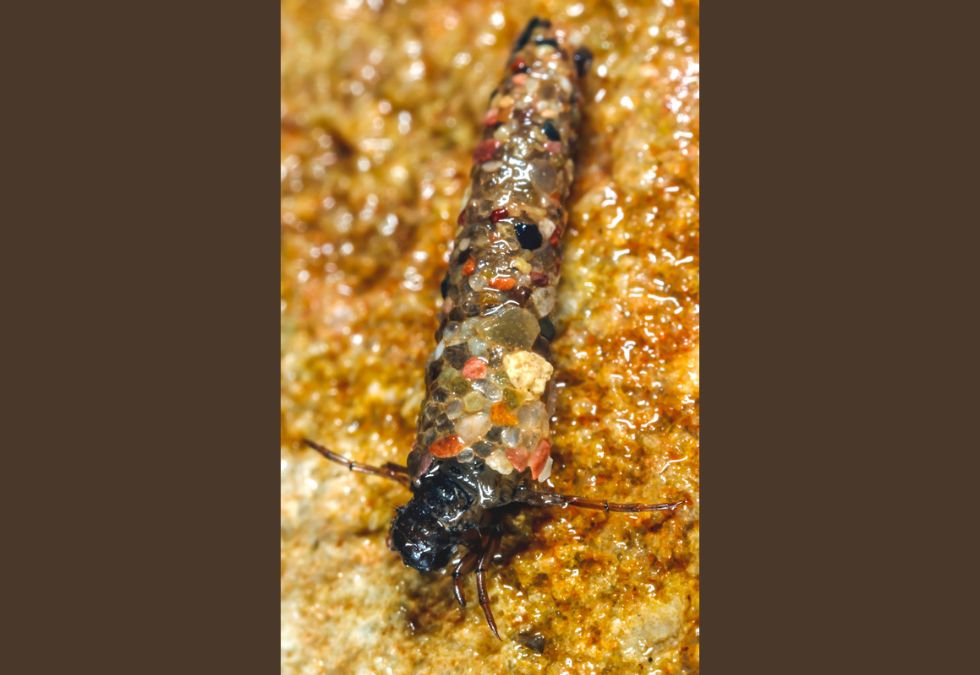
Caddisfly larvae are aquatic architects that build portable protective cases from materials collected in their surroundings. Depending on the species, they use sand grains, tiny stones, plant fragments, or pieces of leaves, binding them together with silk produced by the larvae. The result can resemble a miniature log cabin, pebble-covered tube, or leafy shelter carried underwater.
10. Spiders Spin Intricate Silk Webs That Function as Traps
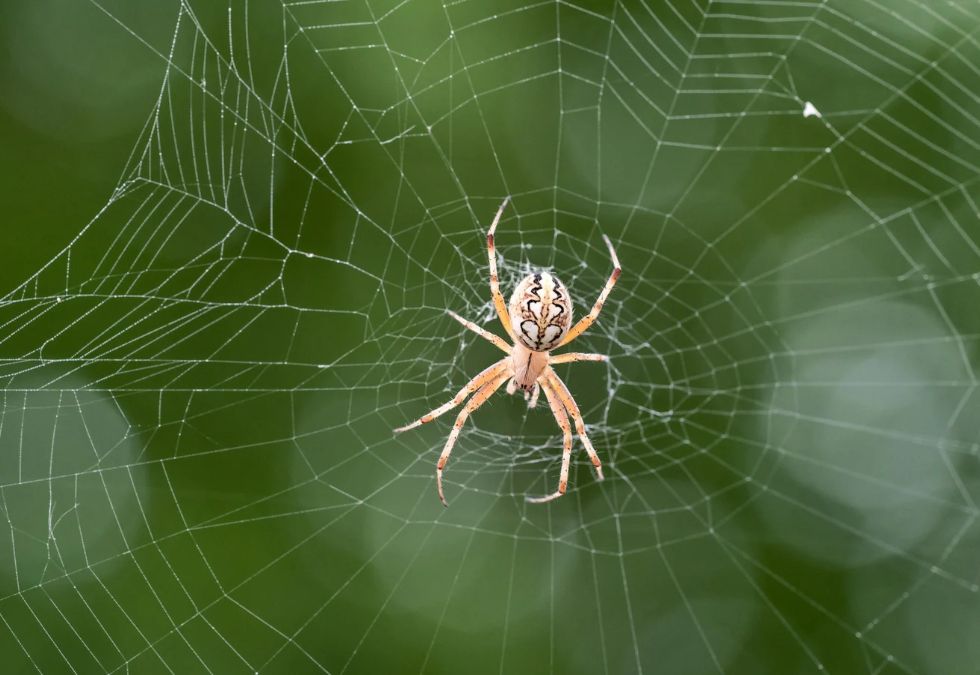
A spiderweb may look delicate enough to disappear in a breeze, yet its construction is a remarkable feat of material engineering. Orb-weaving spiders produce silk and arrange it into radial supports and spiral threads, creating a web that can intercept flying insects. Different silk types serve different purposes, including structural support and, in many species, sticky prey-catching spirals. The spider must position the web strategically and repair damaged sections to keep it functional. Web shapes differ according to species and hunting strategy, so not every spider spins a classic circular design.
11. Naked Mole-Rats Dig Extensive Underground Tunnel Networks
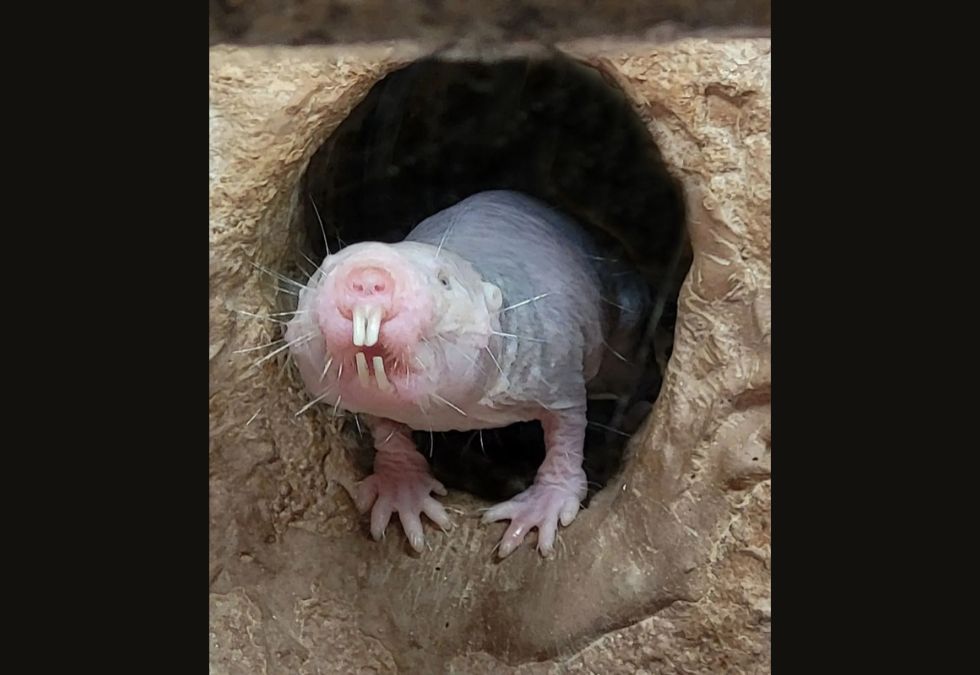
Naked mole-rats spend much of their lives in underground colonies, where workers excavate tunnels connecting feeding areas, nesting chambers, and other parts of the burrow system. Their colonies can contain dozens or even hundreds of individuals, depending on the species and colony conditions. Specialised workers use their large front teeth to dig through soil and move excavated material away. These tunnel networks provide protection from many surface predators and help the colony reach underground plant parts for food. Their branching layout also connects different functional spaces, making the burrow more than a simple hiding place.
From animals that build incredible structures to creatures with bizarre survival skills, these strange animal facts might give you chills and change how you see the natural world.
12. Leafcutter Ants Build Cities Around Underground Farms
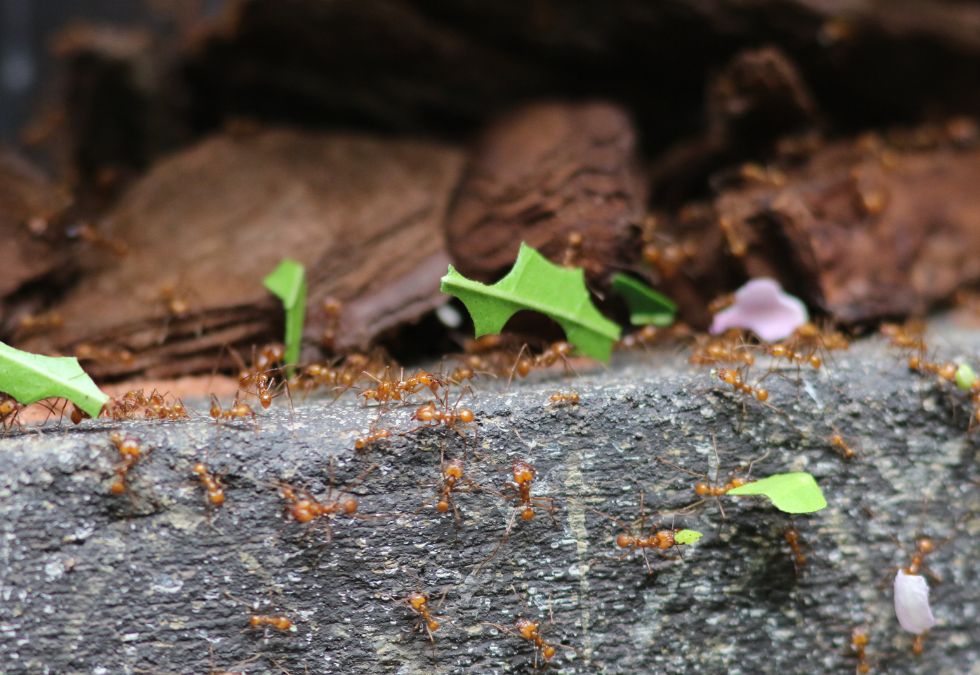
Leafcutter ants are famous for marching through forests while carrying pieces of leaves much larger than their bodies. However, those leaves are not their direct food source. The ants transport them underground to cultivate specialised fungi, which provide nourishment for the colony. Their nests can contain extensive chambers connected by tunnels, with spaces devoted to fungus gardens and waste management.
13. Trapdoor Spiders Construct Hidden Homes With Hinged Doors
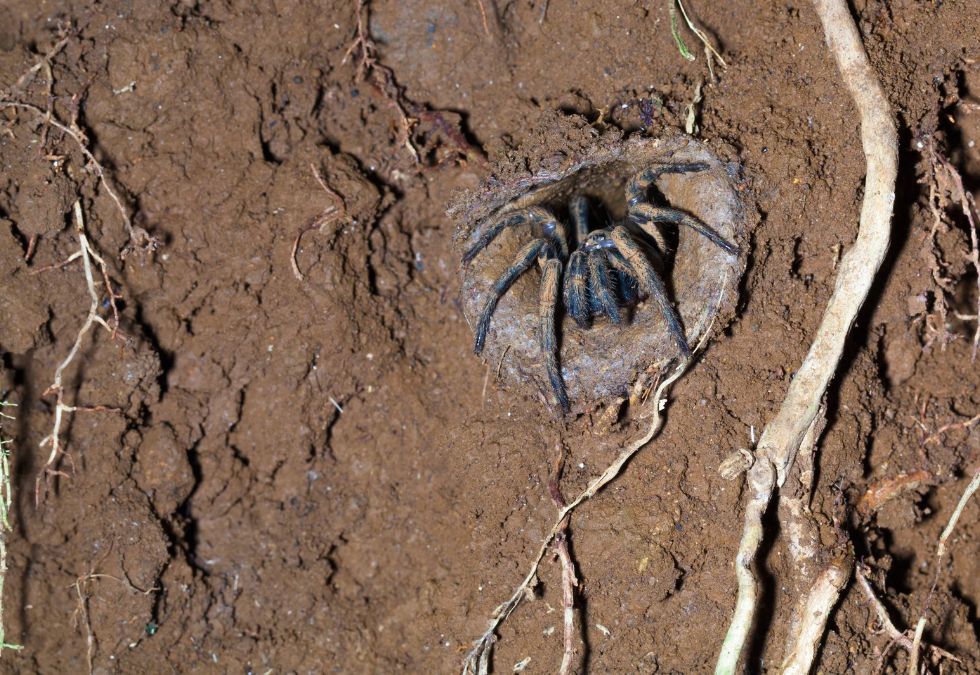
Trapdoor spiders build underground burrows with entrances covered by cleverly constructed doors. They use soil, silk, and sometimes plant fragments to create a lid that blends into the surrounding ground. A silk hinge keeps the door attached, allowing the spider to open and close it while remaining largely concealed from predators and unsuspecting prey. Some species wait just inside the entrance, sensing vibrations that signal an approaching insect before striking. The door offers concealment and a measure of protection from environmental conditions.
14. Malleefowl Build Giant Mounds to Incubate Their Eggs
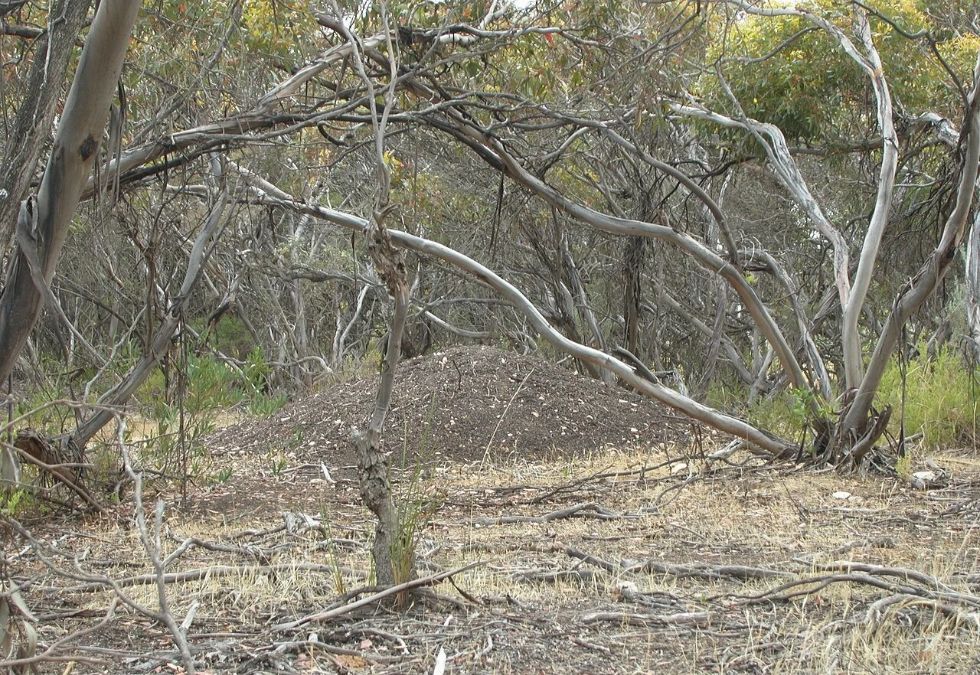
Malleefowl, ground-dwelling birds native to Australia, use a rather unusual alternative to sitting on their eggs. Males construct enormous nesting mounds using sand, soil, and leaf litter. As the organic material decomposes, it releases heat that helps incubate the eggs buried within the mound. The male monitors the temperature and adjusts the covering material to maintain suitable conditions. This natural incubation system requires careful management rather than simply piling up leaves and walking away. The birds may add or remove soil as temperatures change, responding to weather and the mound’s internal conditions.
15. Swiftlets Build Nests Using Their Own Saliva
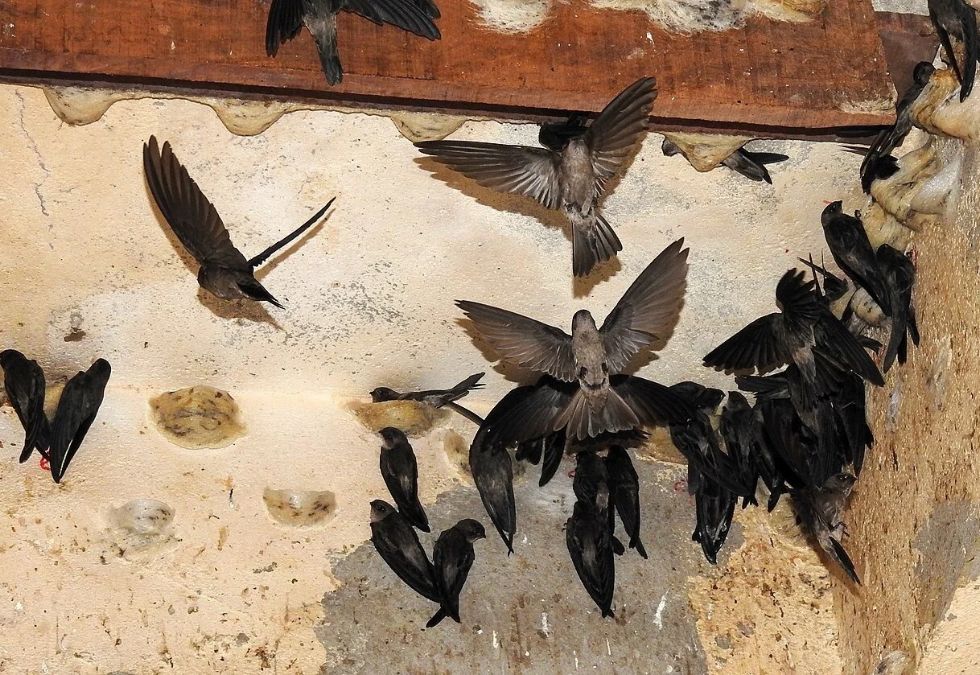
Certain swiftlets build their nests using saliva that hardens as it dries. Rather than collecting large branches or weaving grass, these birds deposit successive layers of the sticky secretion onto cave walls or sheltered rock surfaces. In some species, the nest consists almost entirely of hardened saliva, forming a small cup that supports their eggs and developing chicks. The construction is particularly remarkable because the birds create a functional structure using material produced by their own bodies. Nest composition varies among swiftlet species, and not every species produces a nest made entirely of saliva.
Untouched rainforests are home to countless unusual creatures, and rare insects discovered in these remote habitats reveal just how much of the natural world remains unexplored.
Conclusion
The biggest difference between animal and human architecture is not simply the materials used. Human construction often depends on formal plans, specialised tools, and deliberate calculations. Animal architecture relies on evolved behaviours, environmental cues, and, in some cases, remarkable cooperation. Researchers study these structures to better understand collective behaviour, efficient materials, and environmentally responsive design.
Next time you spot a spiderweb, a bird’s nest, or a mound of earth in a field, take a closer look. You might be standing beside one of nature’s most extraordinary engineering projects.
The post 15 Animals That Build Structures Almost as Impressive as Humans appeared first on Oldest.org.