The 1970s gave America disco music, bell-bottom jeans, unforgettable television, and some truly jaw-dropping scandals. Behind the groovy fashion and feel-good tunes, however, the country faced political corruption, corporate deception, questionable government operations, and celebrity controversies that made headlines for all the wrong reasons.
These 1970s scandals exposed secrets powerful people would rather keep hidden. Some brought down political careers, others sparked nationwide outrage, and a few permanently changed how Americans viewed their government and favorite public figures. From the infamous Watergate affair to corporate controversies that raised serious questions about public safety, these 13 scandals reveal the messier side of a decade that was anything but boring.
1. Watergate Scandal
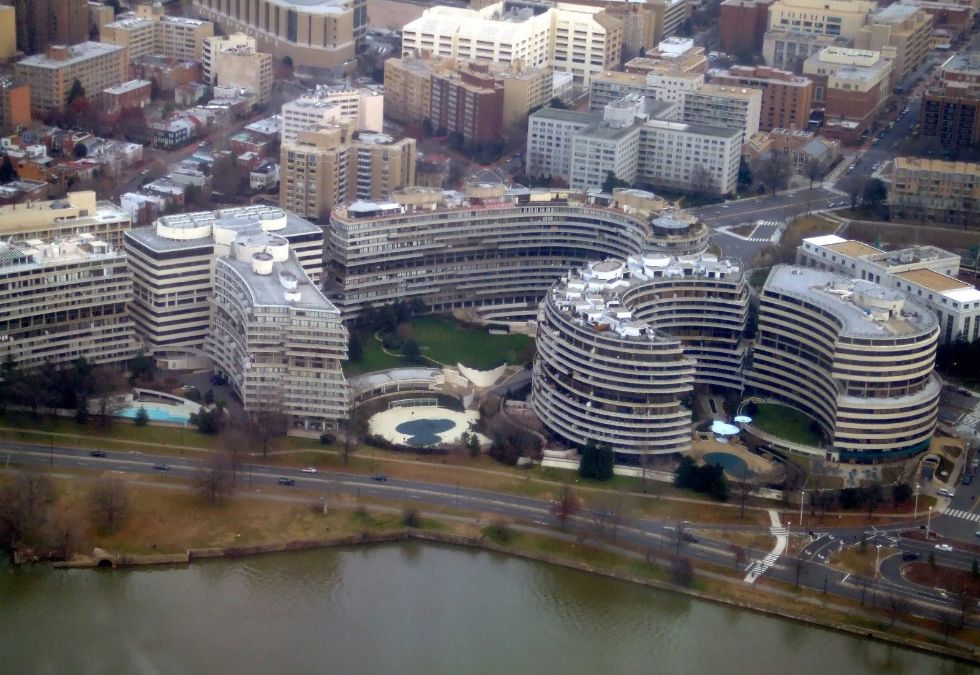
Watergate was the political scandal that made Americans question whether the president could be trusted. On June 17, 1972, five men were arrested while breaking into the Democratic National Committee headquarters at Washington’s Watergate complex. Investigators eventually connected the operation to President Richard Nixon’s reelection campaign and uncovered efforts to conceal wrongdoing. Congressional hearings, investigative journalism, and White House recordings exposed the cover-up. Facing almost certain impeachment, Nixon resigned on August 9, 1974, becoming the first American president to leave office this way. Watergate made political scandals part of everyday conversation.
2. The Saturday Night Massacre
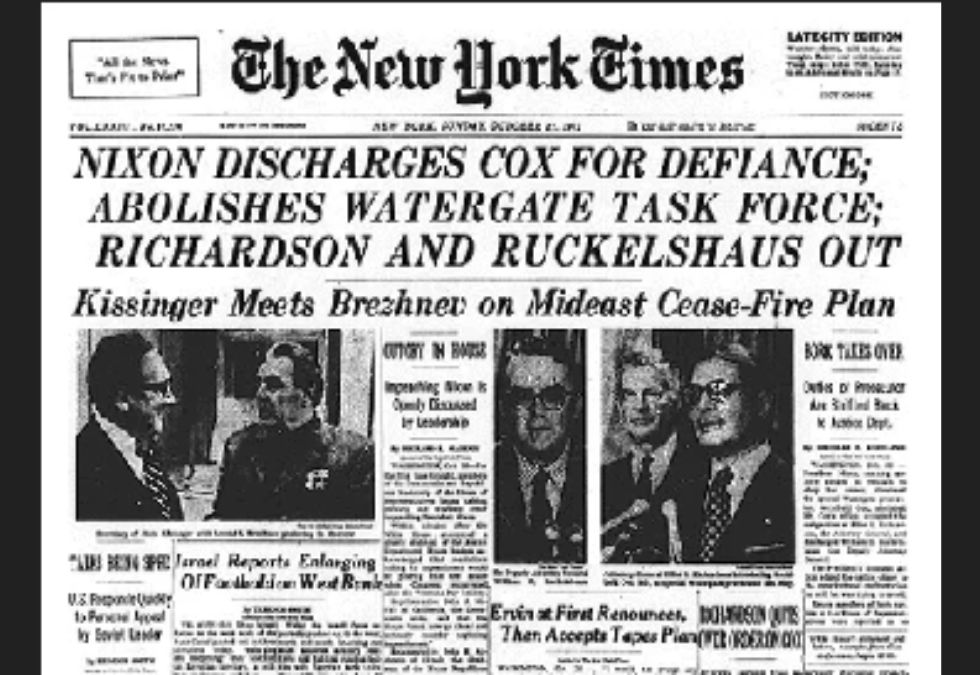
Imagine a president firing officials because they refused to fire the investigator looking into him. That was the extraordinary drama of October 20, 1973. Nixon ordered Attorney General Elliot Richardson to dismiss Watergate special prosecutor Archibald Cox, who had demanded access to presidential recordings. Richardson and Deputy Attorney General William Ruckelshaus resigned rather than comply, and Solicitor General Robert Bork eventually carried out the order. The episode became known as the Saturday Night Massacre. Far from ending the controversy, it intensified public outrage and strengthened demands for accountability at the highest levels of government.
3. The CIA’s Family Jewels
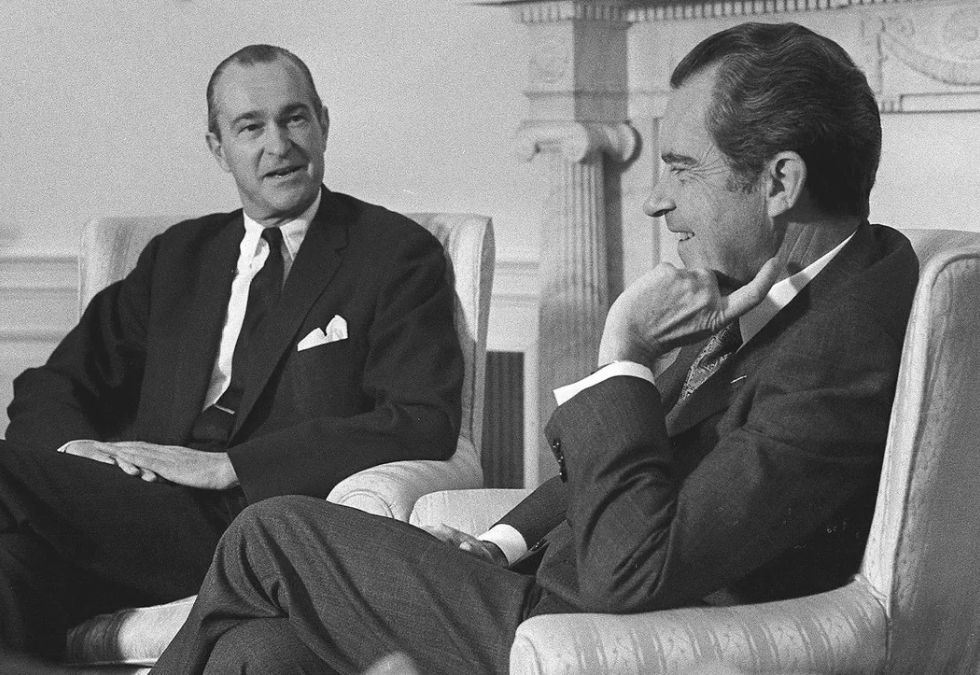
The CIA was supposed to gather foreign intelligence, not operate as a shadowy domestic surveillance machine. Yet in 1973, the agency compiled an internal report later nicknamed the Family Jewels, documenting activities that raised serious legal and ethical questions. The revelations included surveillance of American citizens and other questionable operations. Journalist Seymour Hersh brought the issue into public view in 1974, helping trigger congressional scrutiny. The scandal contributed to a wider debate about intelligence agencies operating beyond meaningful oversight. Suddenly, the question was not just what the government knew, but what it was doing to find out.
Follow us on MSN!
4. The FBI’s COINTELPRO Operations
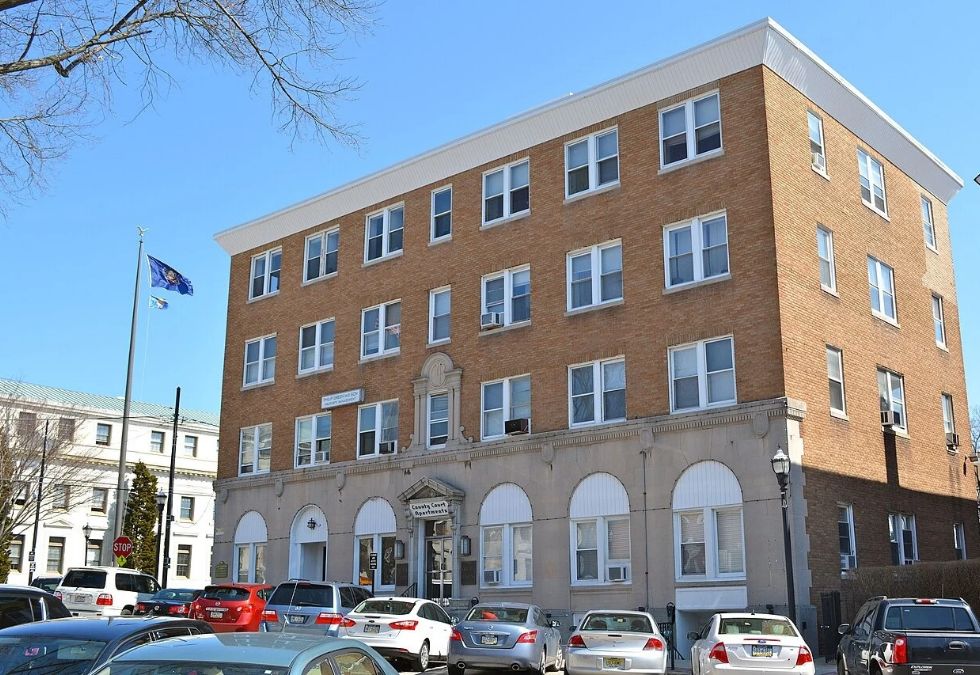
The FBI’s COINTELPRO program became a major controversy when Americans learned how federal authorities had targeted political organizations and activists. Originally launched in 1956, the program continued into the early 1970s and used surveillance, disruption, and other covert tactics against groups considered threats by the bureau. In 1971, activists broke into an FBI office in Media, Pennsylvania, and leaked documents that helped expose the program. Subsequent investigations revealed troubling abuses involving civil rights organizations and political movements. The revelations damaged the bureau’s reputation and fueled demands for stronger limits on domestic intelligence operations.
5. The Pentagon Papers Controversy
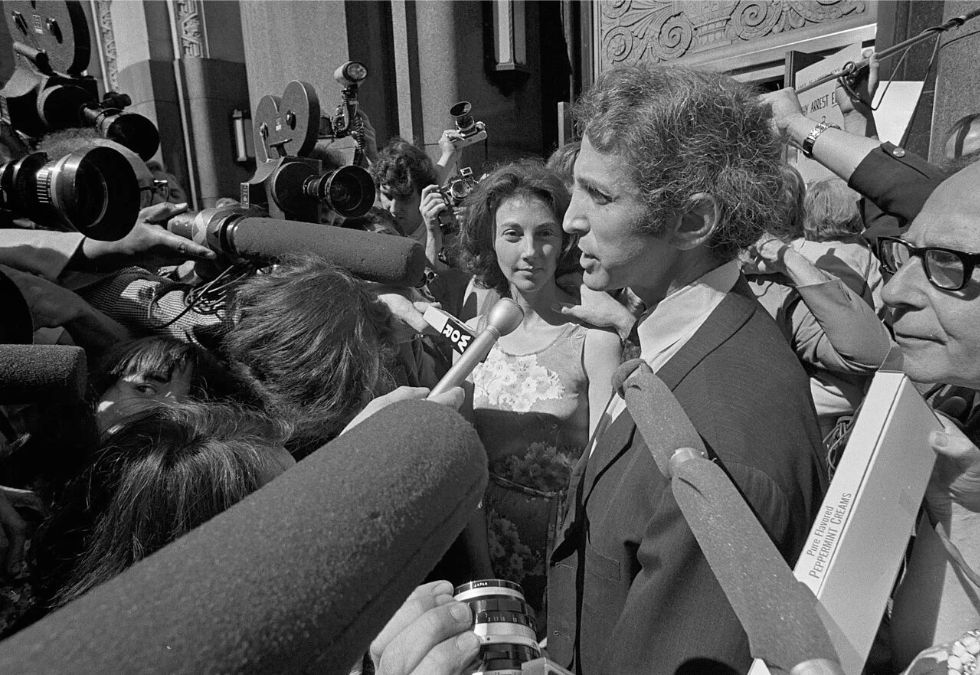
In 1971, Americans discovered that the government’s public explanations of the Vietnam War did not always match its private assessments. Military analyst Daniel Ellsberg leaked a classified Defense Department study, later known as the Pentagon Papers, to the press. The documents chronicled years of American involvement in Vietnam and exposed how successive administrations had misled the public about important aspects of the conflict. The Nixon administration attempted to stop publication, triggering a landmark legal battle. In New York Times Co. v. United States, the Supreme Court ruled against the government’s effort to impose prior restraint on the newspapers.
6. The Ford Pinto Safety Controversy
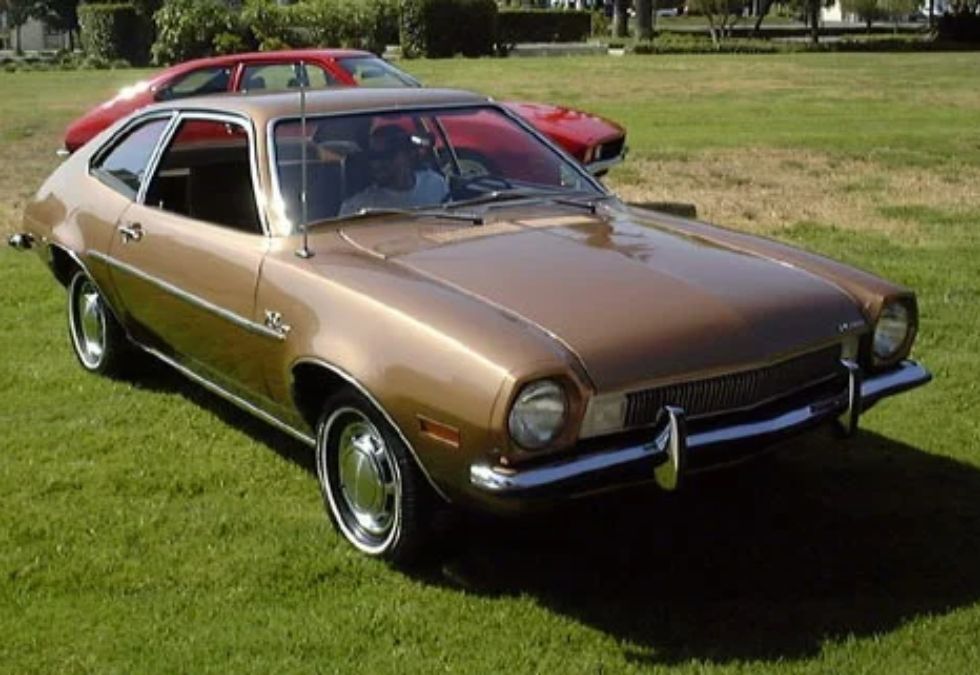
The Ford Pinto was marketed as an affordable little car, but its fuel-tank design became the center of a major safety controversy. Reports and investigations raised concerns that rear-end collisions could rupture the tank and cause dangerous fires. A widely publicized 1977 investigation intensified public criticism of Ford’s handling of the problem. In June 1978, the company recalled approximately 1.5 million Pinto and Mercury Bobcat vehicles to address fuel-system defects. The controversy became a lasting example in debates about corporate responsibility, engineering decisions, and whether saving money should ever outweigh consumer safety.
The entertainment industry has long had a hidden side, and these Old Hollywood scandals studios tried to keep secret reveal the controversies and shocking stories behind the glamour of classic cinema.
7. Koreagate: The Political Influence Scandal
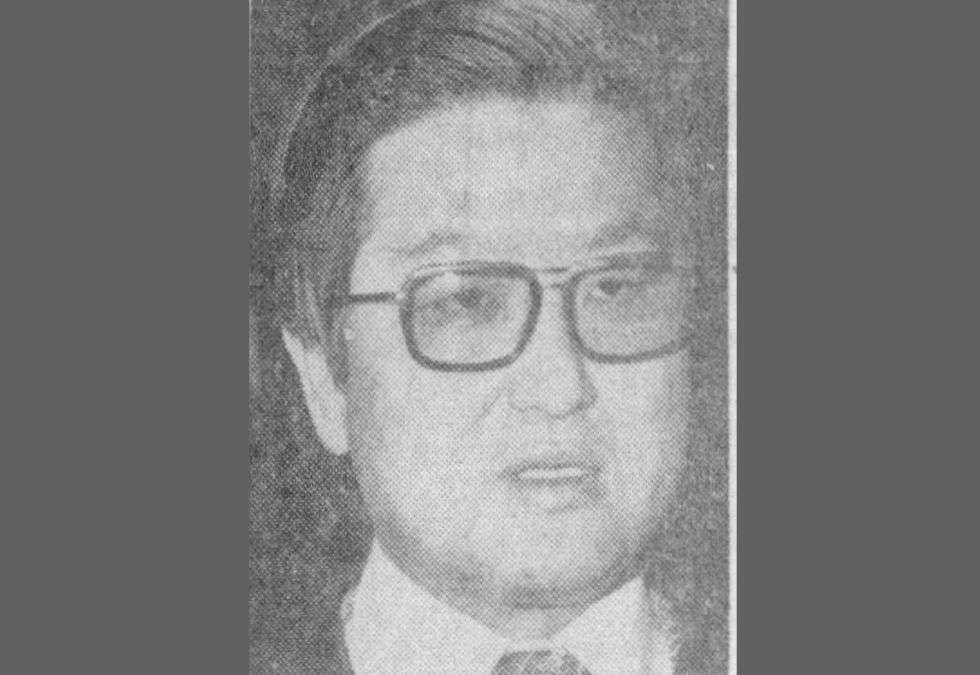
Washington found itself embroiled in an international political controversy in the mid-1970s when investigators examined allegations of South Korean influence-peddling in American politics. Known as Koreagate, the affair centered on businessman Tongsun Park and efforts to influence members of Congress through money, gifts, and lobbying. Investigators also examined the activities of South Korean intelligence operatives and their connections with American political figures. The scandal raised uncomfortable questions about foreign influence and political ethics. Although not every allegation led to a conviction, the investigation damaged reputations and exposed how complicated the relationship between diplomacy and lobbying could become.
8. The Bert Lance Banking Controversy
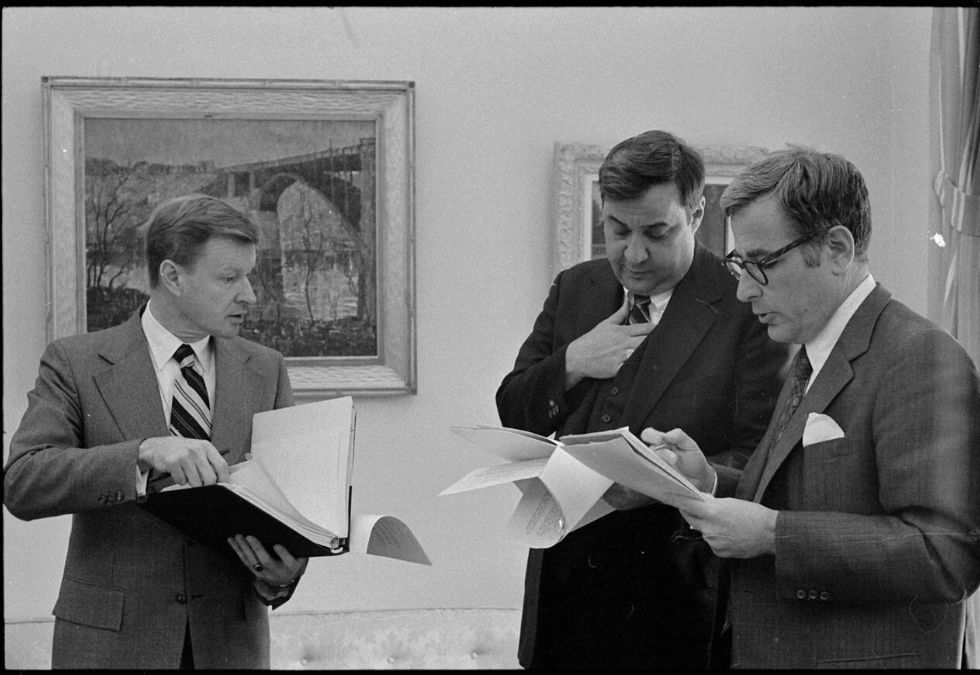
Jimmy Carter entered the White House promising an administration that would restore public confidence in government. Then his close friend Bert Lance, director of the Office of Management and Budget, became embroiled in questions about his previous banking practices. Reports examined loans, financial transactions, and his conduct at Georgia banks before joining the administration. Lance denied wrongdoing but faced mounting political pressure as the controversy dominated headlines. On September 21, 1977, he resigned from his position. The episode became an early embarrassment for Carter, demonstrating how a president’s personal trust in an ally could become a political liability.
9. The General Services Administration Corruption Scandal
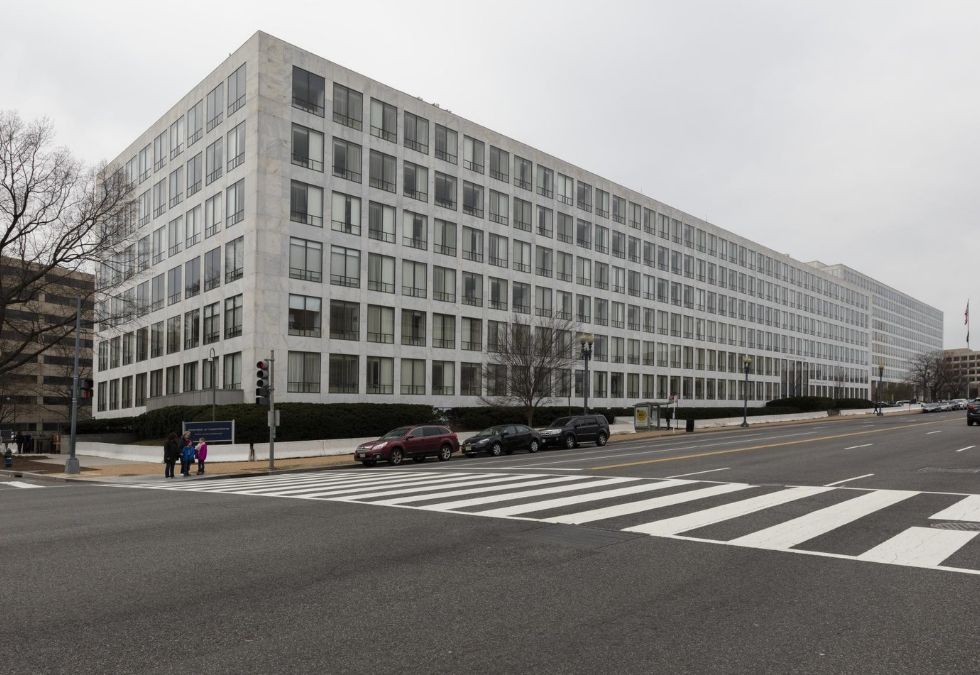
Even the federal agency responsible for managing government buildings and supplies found itself at the center of a corruption controversy. In 1978, allegations of misconduct within the General Services Administration included fraud and abuses of federal authority. President Carter publicly expressed concern and called for investigations into the reported wrongdoing. The affair revealed how corruption could extend beyond glamorous political offices into the everyday machinery of government. For taxpayers already frustrated by economic uncertainty and political distrust, the revelations offered another reason to question whether public institutions were being managed responsibly.
10. Spiro Agnew’s Resignation Scandal
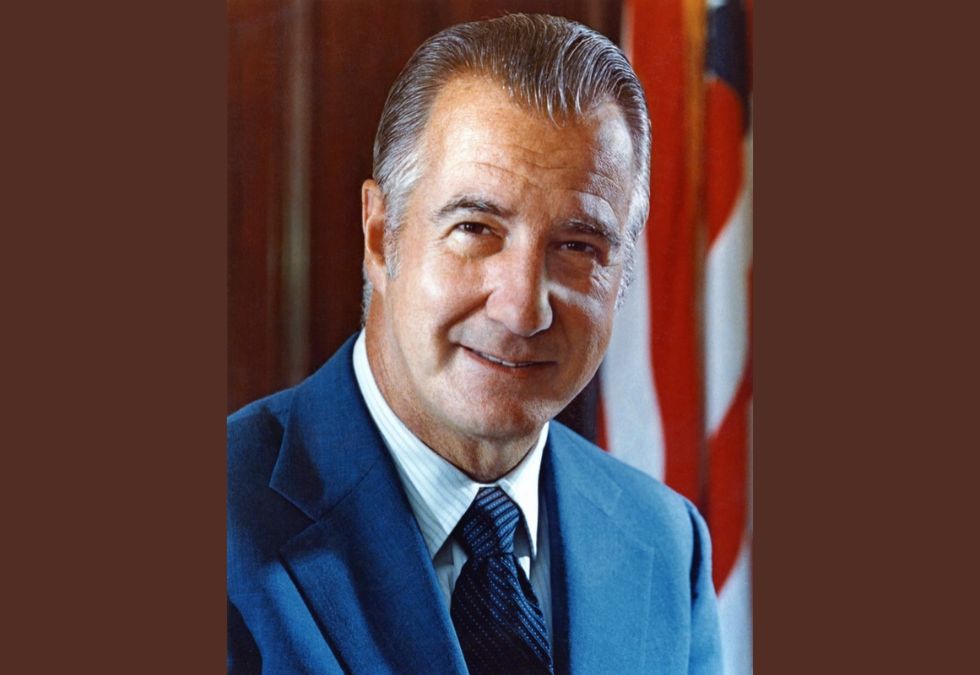
President Nixon was not the only senior official whose career collapsed under scandal. Vice President Spiro Agnew resigned on October 10, 1973, after a federal investigation into allegations of bribery, extortion, and tax-related misconduct connected to his earlier political career in Maryland. Agnew pleaded no contest to a federal tax charge involving income he had failed to report. He received probation and a fine. His resignation came while Watergate was already shaking Washington, creating an extraordinary situation in which both the president and vice president faced major controversies during the same turbulent period.
Behind the fame and glamour, some celebrities have hidden surprising truths, and these stars exposed as frauds left fans questioning everything they thought they knew about their favorite public figures.
11. The Love Canal Environmental Scandal
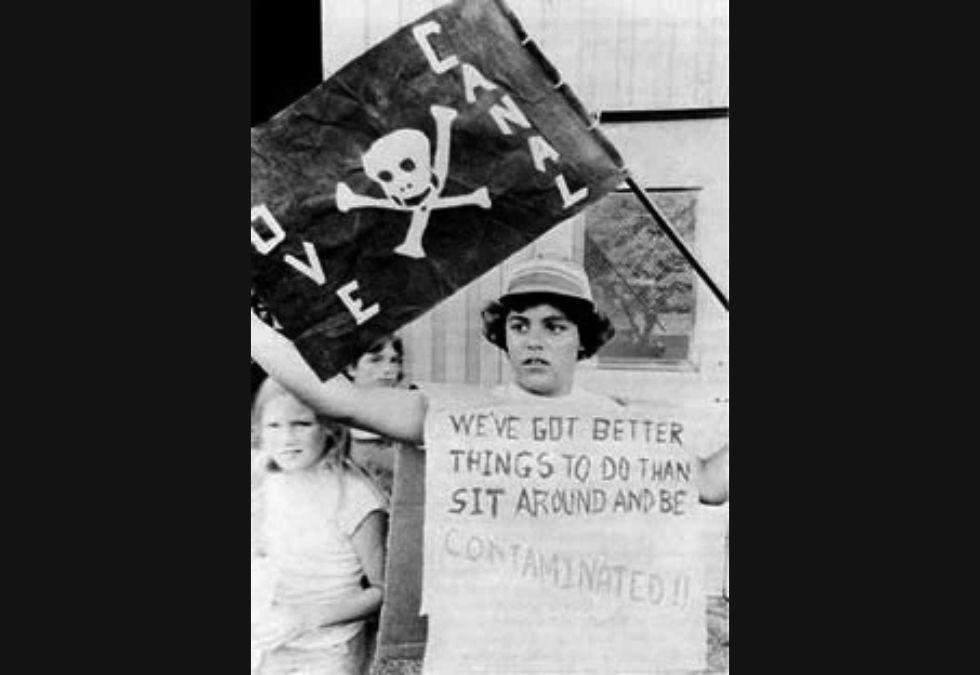
A quiet neighborhood in Niagara Falls, New York, became a national symbol of environmental disaster when residents discovered that buried industrial chemicals were contaminating the area around their homes. The site, known as Love Canal, had been used to dump chemical waste before houses and a school were built nearby. By 1978, growing contamination concerns prompted emergency action and the relocation of residents. Families feared for their health while demanding answers from authorities and the companies involved. The crisis helped expose the dangers of poorly regulated hazardous waste disposal and contributed to the movement for stronger environmental protections.
12. Gulf Oil’s Political Contributions Controversy
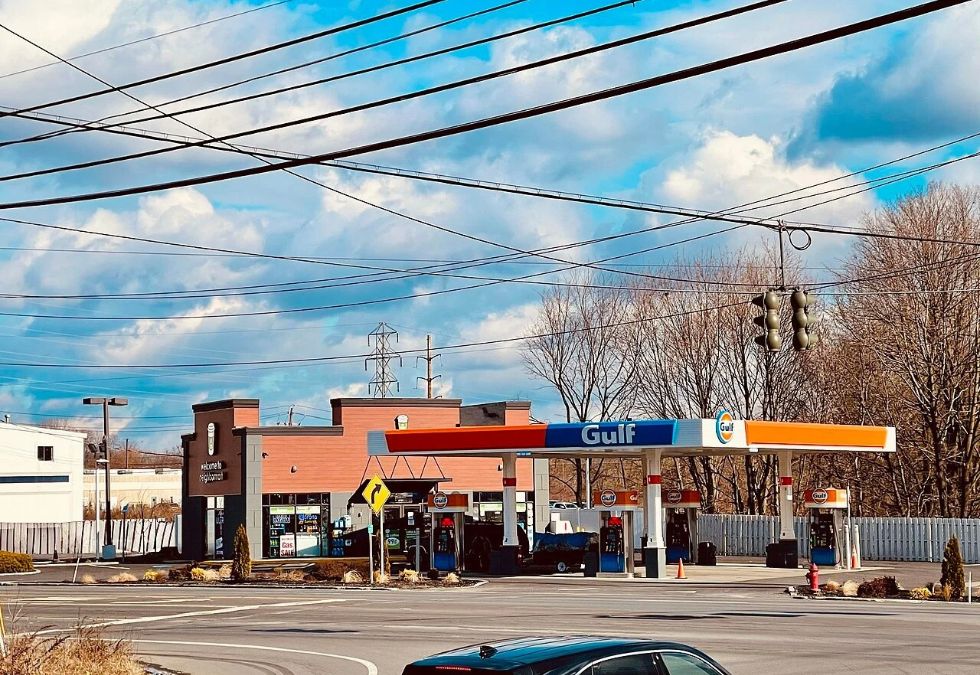
The 1970s also exposed uncomfortable links between big business and American politics. Investigations into corporate political contributions revealed that major companies, including Gulf Oil, had made payments that raised questions about campaign finance practices and influence over elected officials. The controversy unfolded during a wider examination of questionable corporate donations and political spending following Watergate. Americans were increasingly concerned that wealthy businesses might gain privileged access to policymakers. These revelations helped build pressure for tighter campaign finance rules and greater transparency, reinforcing the growing belief that political accountability had to apply to corporate money as well as government officials.
13. Richard Nixon’s Tax Deduction Controversy
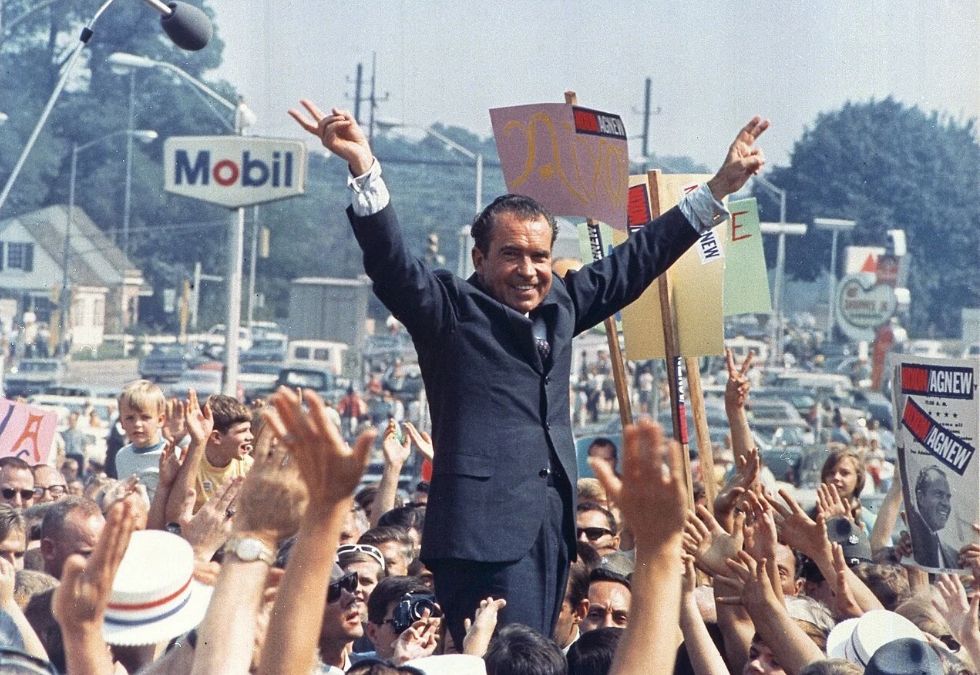
As Watergate investigations intensified, Nixon faced another damaging controversy involving his personal finances. Questions arose about his federal income tax returns, particularly deductions claimed for donated presidential papers and improvements to his California property. In 1973, the Internal Revenue Service examined his returns, and a subsequent congressional review raised further concerns. Nixon eventually agreed to pay additional taxes and interest after an IRS audit found that he owed more than he had reported. The revelations deepened public suspicion at a moment when the president was already struggling to defend his administration’s credibility.
The 1960s were full of shocking controversies that made headlines, and these ’60s scandals would likely spark massive online debates and viral reactions if they happened today.
Conclusion
The 1970s were more than a decade of disco balls, shag carpeting, and questionable fashion choices. The scandals from the 1970’s exposed serious problems involving political accountability, corporate responsibility, environmental safety, and government surveillance.
The biggest lesson from this turbulent decade is that reputations can crumble when secrets emerge, and public trust is much harder to rebuild than it is to lose. The 1970s may be firmly in the history books, but the questions raised by its scandals remain remarkably relevant today.
The post 13 Scandals From the 1970s That Rocked America appeared first on Oldest.org.