Imagine a world in which some women were able to perceive colors that ordinary beings cannot even conceive of, are capable of carrying foreign cells in their bodies for a lifetime, or possess genetic benefits that other people will never find out about. Over the years, researchers have revealed extremely unusual peculiarities that differentiate between males and females.
It is said that women are capable of performing the most unbelievable feats. From the rare ability to see shades to the amazing impact of two X chromosomes, these features show just how amazing the human body is. Some of the features can be found only among a handful of women, while others can be found among a greater portion of the female population, and some are still being discovered.
1. Potentially See More Than Three Primary Colors
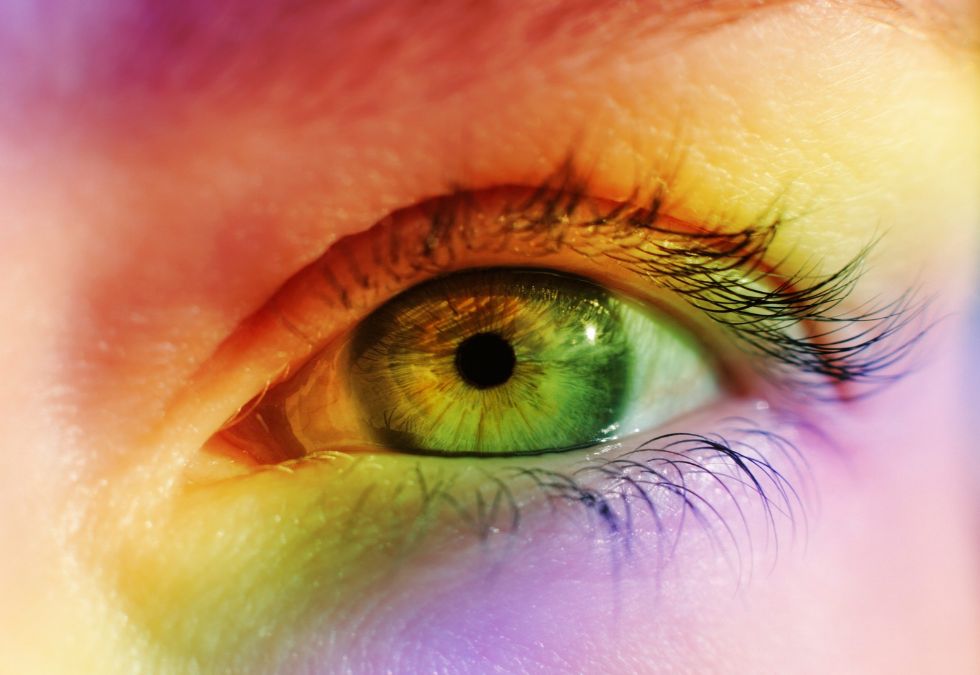
Some women may possess a fourth type of color-sensitive cone cell, potentially allowing them to distinguish shades that most people cannot tell apart. This possibility, called tetrachromacy, is linked to variations in genes for color vision on the X chromosome. However, possessing the relevant genetic variation does not guarantee enhanced color perception, and functional tetrachromacy remains rare and difficult to confirm.
2. Carry Fetal Cells for Decades

During pregnancy, cells can pass between a fetus and the pregnant person, and some fetal cells may remain in maternal tissues for decades. This phenomenon is called fetal microchimerism. Scientists are investigating whether these cells influence tissue repair, immunity, and disease.
3. Have Two X Chromosomes Working as a Genetic Mosaic
In people with two X chromosomes, one X is generally inactivated in each cell early in development. Different cells may inactivate different copies, creating a mosaic of gene expression across tissues. This can influence certain X-linked traits and diseases. The process is especially relevant to typical XX biology, although X-inactivation patterns vary and some genes escape inactivation.
4. Benefit From Having a Backup Copy of Certain X-Linked Genes
Having two X chromosomes can provide some protection against certain harmful variants in genes located on the X chromosome. If one copy carries a variant, the other may sometimes supply enough functional gene product. This does not prevent every X-linked condition, and women can still develop these disorders.
These differences in how men and women perceive everyday behaviors also highlight the things women worry about that men secretly love, showing how small insecurities can sometimes be viewed quite differently in relationships.
5. Mount Stronger Immune Responses to Some Infections
Research finds that women, on average, often develop stronger immune responses to certain infections and vaccines. Sex hormones, X-linked genes, and differences in immune-cell activity may contribute. However, a stronger response is not always beneficial, because it can also increase the likelihood of autoimmune disease.
6. Experience Much Higher Rates of Certain Autoimmune Diseases
Conditions such as lupus and Sjögren’s disease affect women disproportionately. Researchers are studying how sex hormones, X-chromosome biology, and immune regulation contribute to this pattern. This is not an ability in the usual sense, but it is a striking biological difference that challenges the idea that immune responses are identical across sexes.
7. Experience Pregnancy-Related Immune Tolerance
During pregnancy, the immune system must tolerate fetal tissues that carry genetic material from both parents while continuing to defend the body against infections. Specialized immune mechanisms help make this possible. Men who cannot gestate do not experience this pregnancy-specific process themselves.
8. Develop Specialized Breast Tissue for Milk Production
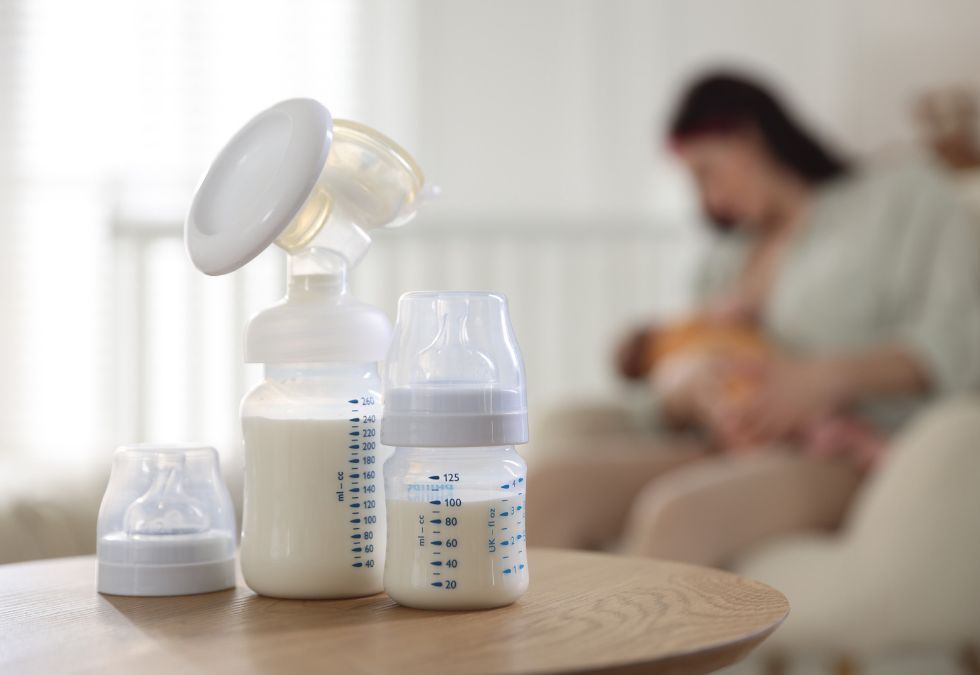
Female breast tissue typically develops more extensively under the influence of estrogen and progesterone, and pregnancy hormones prepare it for milk production. Prolactin stimulates milk synthesis, while oxytocin helps release milk. Although male bodies also contain mammary tissue and rare cases of male lactation have been documented, sustained postpartum milk production is associated with the distinctive hormonal changes of pregnancy and childbirth.
Differences in expectations and social pressures between men and women can also shape the things women pretend to enjoy before getting married, reflecting how personal preferences sometimes change to meet relationship expectations.
9. Experience a Biological Transition That Ends Ovarian Reproductive Function
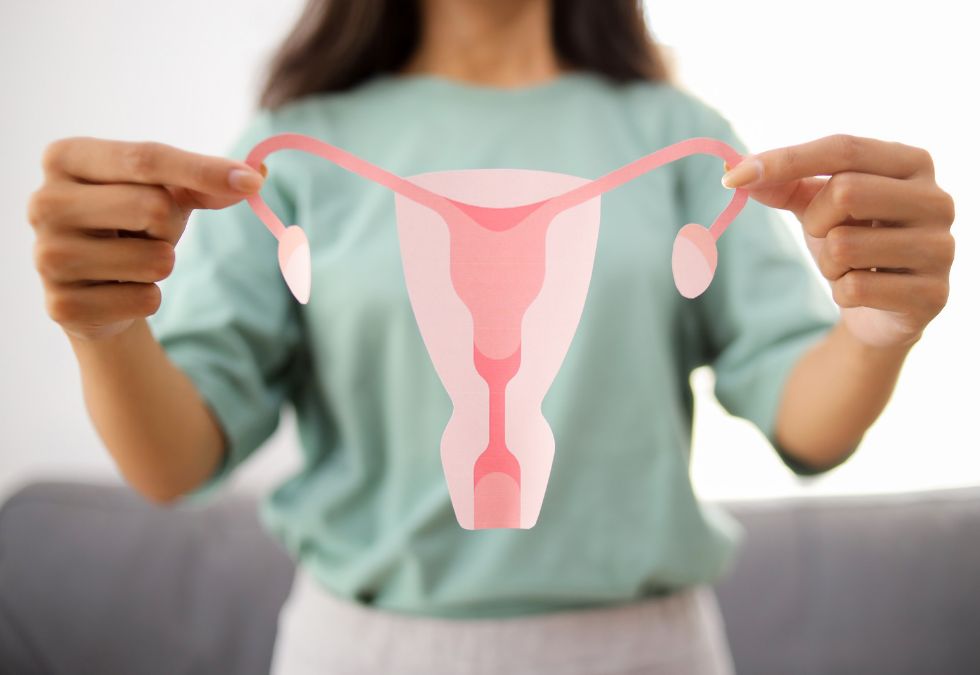
Menopause is a distinctive transition in which ovarian follicular activity declines, menstruation permanently ends, and reproductive hormone levels change. This is different from the gradual age-related decline in testosterone that some men experience. Menopause can affect sleep, temperature regulation, bone health, and other aspects of wellbeing.
10. Experience Natural Monthly Changes in Cervical Mucus
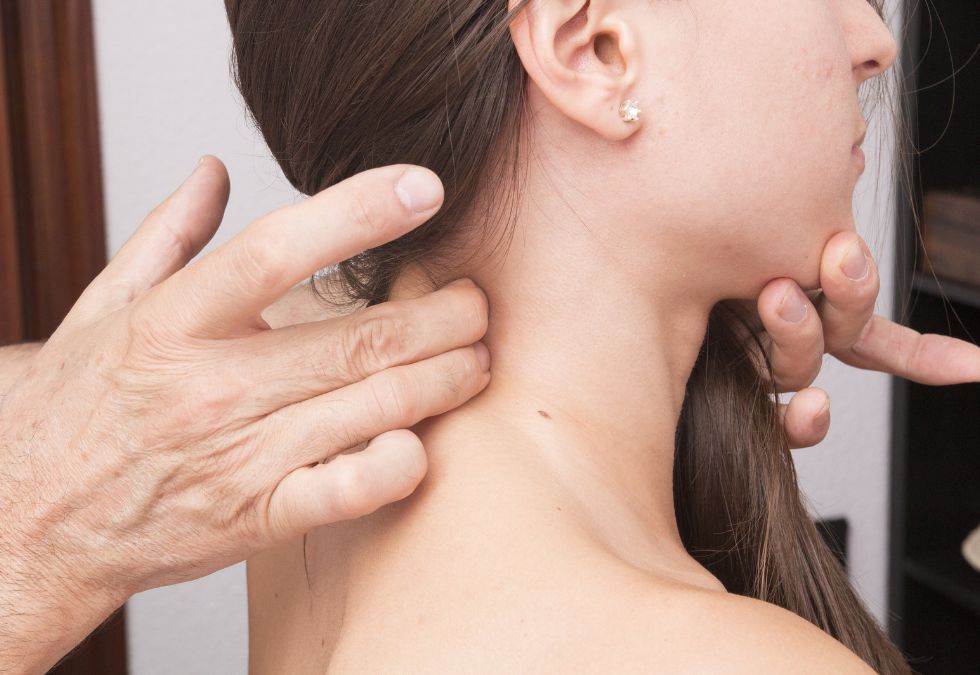
Hormonal changes across the menstrual cycle can alter cervical mucus, making it thinner and more slippery around ovulation. This helps sperm move through the cervix when conception is possible. Men do not experience this ovarian-cycle-related change in cervical secretions.
11. Produce Eggs That Carry an X Chromosome
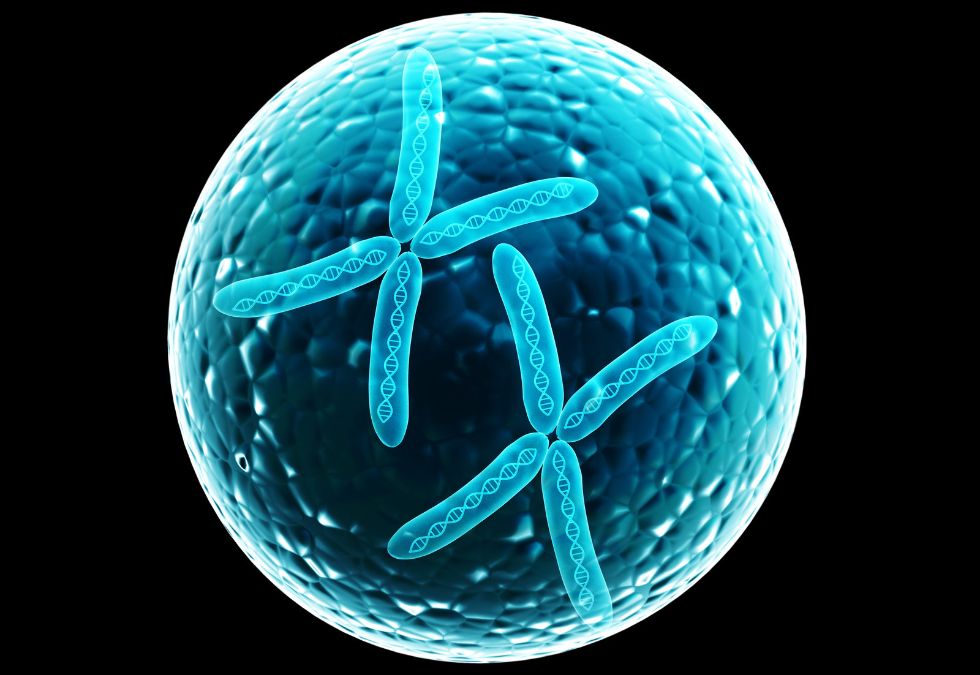
In typical human reproduction, egg cells carry an X chromosome, while sperm carry either an X or a Y chromosome in most cases. When an X-bearing egg is fertilized by a Y-bearing sperm, the resulting embryo typically has an XY chromosome pattern. This makes egg production genetically distinct from sperm production.
12. Experience Certain Pregnancy-Related Brain Changes
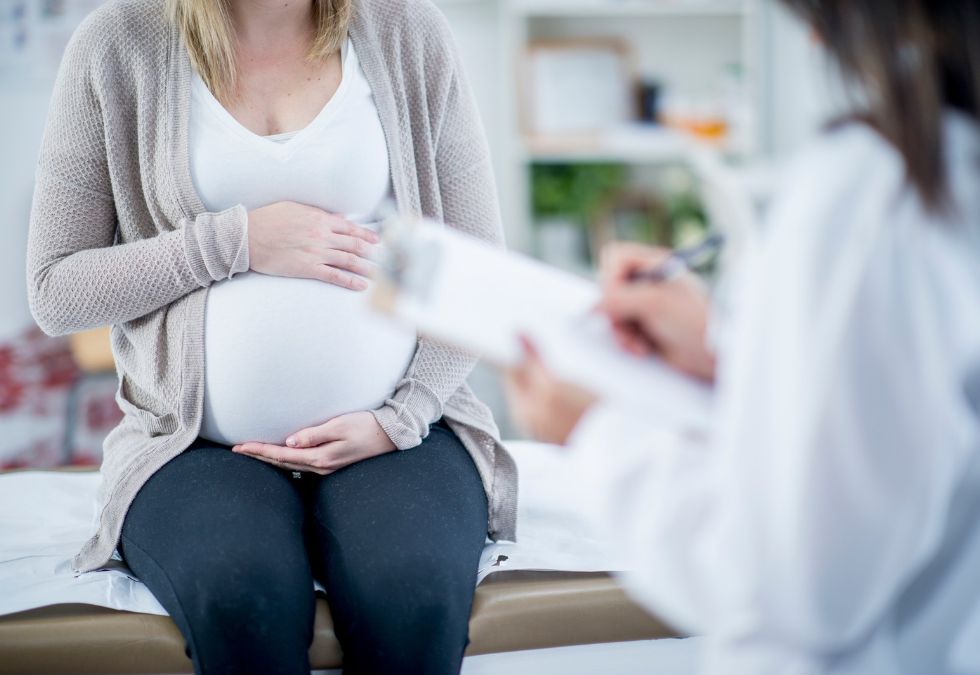
Studies suggest that pregnancy can produce measurable changes in brain structure, including regions associated with social cognition and responding to other people. Researchers are investigating how these changes relate to parenthood and maternal behavior. They should not be interpreted as proof that women automatically become more empathetic or better parents.
Beyond these biological and behavioral differences, understanding the subtle ways women flirt that most men completely miss can reveal how body language and small social cues influence everyday interactions.
13. Experience Breastfeeding-Related Hormonal Effects
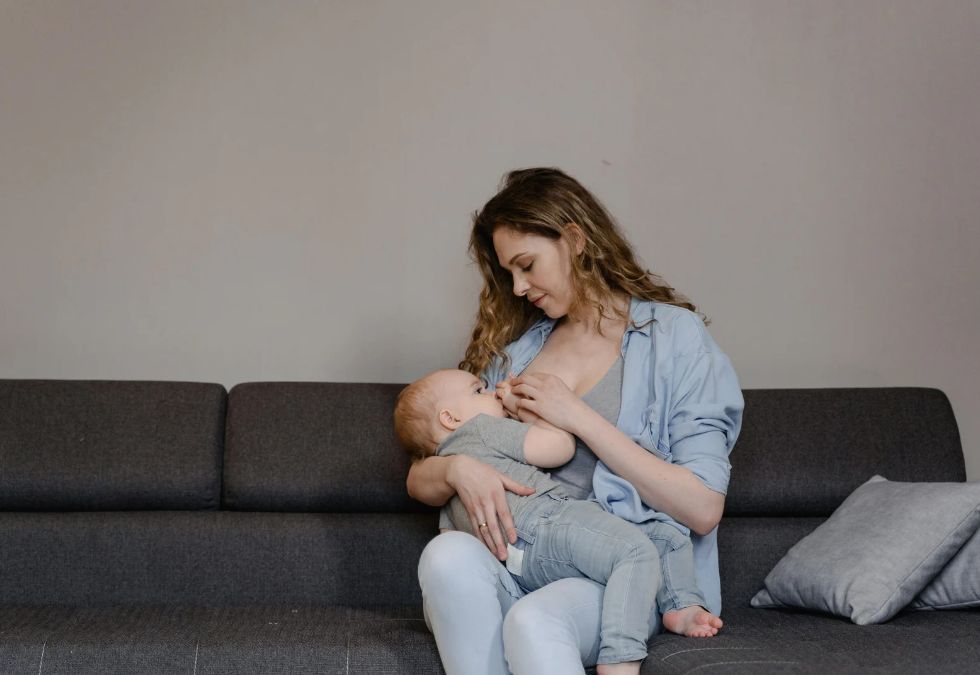
Breastfeeding triggers the release of oxytocin and prolactin, hormones involved in milk release and production. Oxytocin also participates in social bonding and other physiological processes. These responses are associated with lactation and are not exclusive to women in every possible circumstance.
14. Have a Higher Probability of Certain Forms of Color Blindness Being Masked

Some forms of red-green color blindness are caused by variants in genes on the X chromosome. People with two X chromosomes may have a second copy that supports more typical color vision, reducing the likelihood of expressing certain forms of color blindness. This is not universal protection, and women can be color-blind too.
15. Experience Distinctive Hormonal Changes During the Postpartum Period

After childbirth, estrogen and progesterone levels fall sharply, while prolactin and oxytocin play roles in lactation and other bodily functions. These changes can affect physical recovery, sleep, and mood. Men do not undergo this exact postpartum hormonal transition. The experience varies considerably, and severe or persistent emotional symptoms deserve medical attention rather than being dismissed as an inevitable part of parenthood.
16. Develop Ovarian Cysts as Part of Certain Reproductive Processes
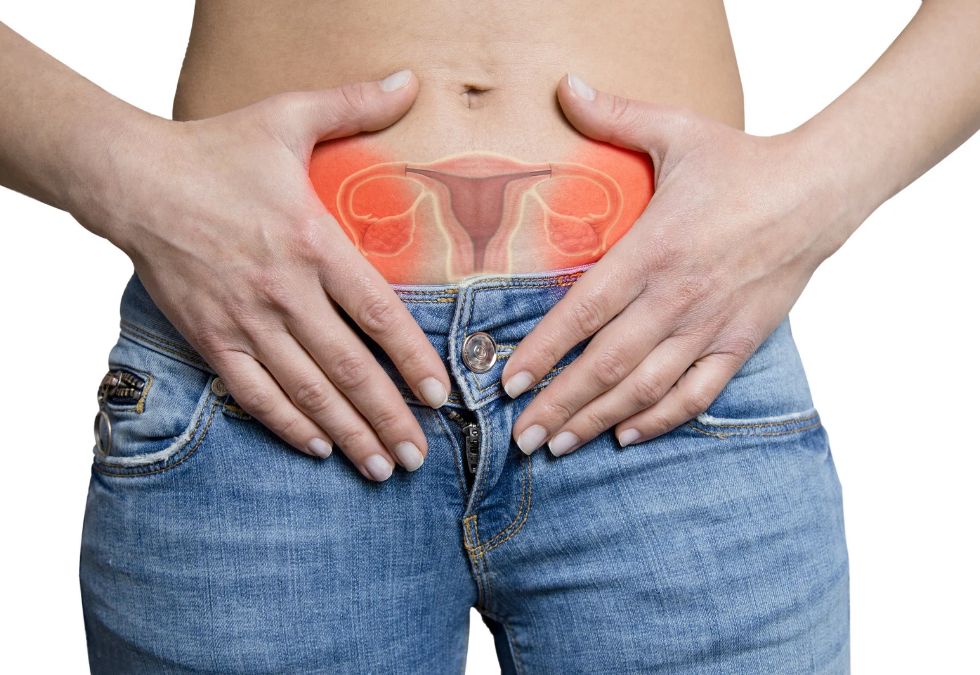
Ovarian follicles develop as part of the reproductive cycle, and some can become fluid-filled cysts. Many are harmless and disappear without treatment, although others may require medical assessment. Men without ovaries cannot develop ovarian cysts. This is not a beneficial ability, but it illustrates how specialized reproductive anatomy creates distinctive biological processes and medical conditions.
17. Experience Endometriosis, a Condition Linked to Reproductive Biology
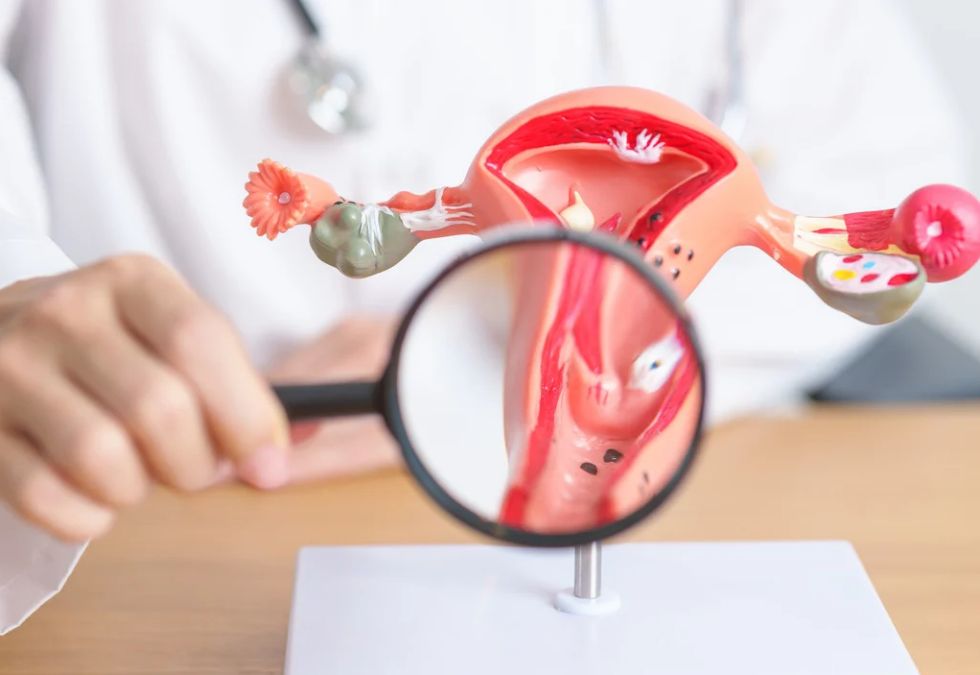
Endometriosis occurs when tissue resembling the uterine lining grows outside the uterus, potentially causing pain, inflammation, and fertility difficulties. It predominantly affects women and other people with relevant reproductive anatomy, although the condition is not absolutely impossible in males.
18. Experience Pregnancy-Related Changes in Blood Volume
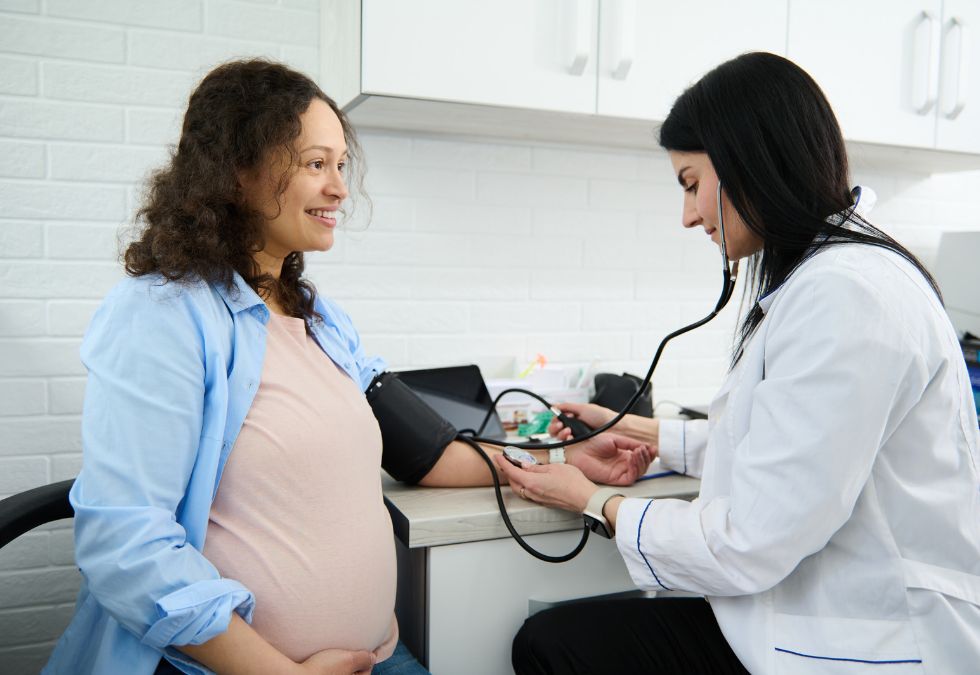
During pregnancy, blood volume rises substantially to support the developing fetus and meet the body’s changing circulatory demands. The heart and blood vessels also adapt to these changes. Men who cannot gestate do not experience this pregnancy-specific circulatory adjustment. These adaptations help sustain pregnancy, but they also place additional demands on the cardiovascular system and help explain why certain heart and circulation problems require careful monitoring during pregnancy.
Alongside these differences, exploring the things men do that women find absolutely irresistible offers another perspective on how attraction, confidence, and everyday behaviors shape romantic connections.
19. Experience Placental Hormone Production During Pregnancy
The placenta produces hormones that help maintain pregnancy and coordinate changes in the pregnant person’s body. These include human chorionic gonadotropin, which is measured by pregnancy tests, and other hormones that support fetal development and maternal adaptation. Men without a pregnancy cannot develop this temporary hormone-producing organ.
20. Experience Lactational Amenorrhea
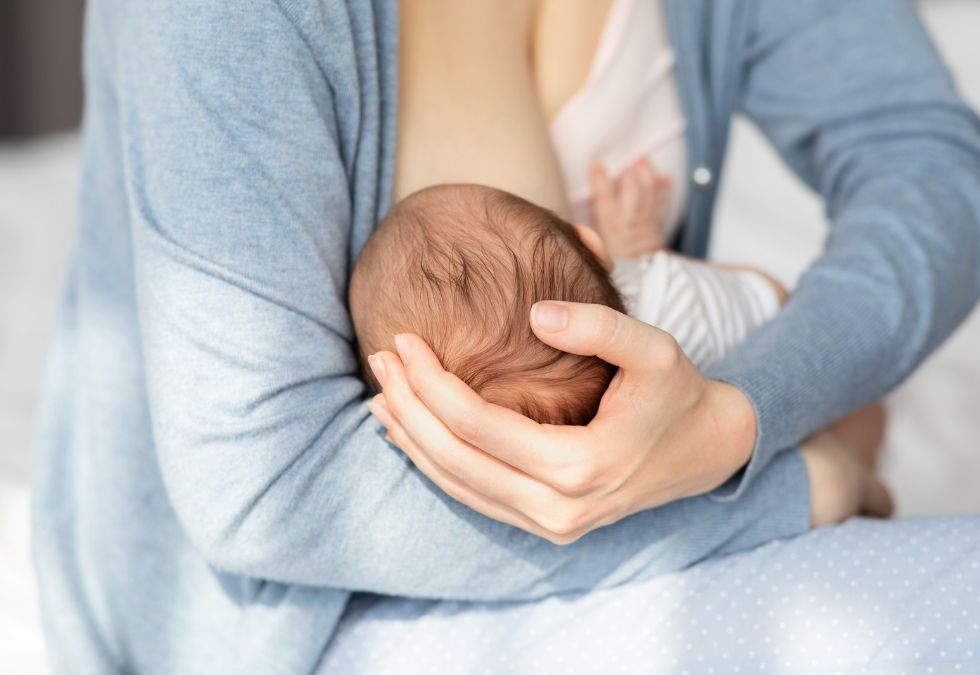
Frequent breastfeeding can temporarily suppress the hormonal signals needed for ovulation, delaying the return of menstrual periods after childbirth. This is known as lactational amenorrhea. It is a distinctive interaction between lactation and ovarian function, although its duration varies. Breastfeeding alone does not guarantee contraception.
Conclusion
The most interesting sex-related biological differences are often more complicated than headlines suggest. Some involve reproductive anatomy that men without the relevant organs cannot naturally replicate. Others, such as color perception, immune responses, and X-linked gene expression, involve probabilities and biological variation rather than absolute rules.
There is no scientifically sound list of 20 extraordinary abilities that every woman has and no man can ever possess. The more accurate story is that human biology produces distinctive capabilities and patterns, some exclusive to particular reproductive processes and others influenced by genetics, hormones, and individual variation. That distinction makes the science more fascinating, not less.
The post 20 Things Science Says Women Can Do That Men Cannot appeared first on Oldest.org.