
A new social engineering-based malvertising campaign targeting
Japan has been found to deliver a malicious application that
deploys a banking trojan on compromised Windows machines to steal
credentials associated with cryptocurrency accounts.
The application masquerades as an animated porn game, a reward
points application, or a video streaming application, Trend Micro
researchers Jaromir Horejsi and Joseph C Chen said[1]
in an analysis published last week, attributing the operation to a
threat actor it tracks as Water Kappa, which was previously found[2]
targeting Japanese online banking users with the Cinobi trojan by
leveraging exploits in Internet Explorer browser.
The switch in tactics is an indicator that the adversary is
singling out users of web browsers other than Internet Explorer,
the researchers added.
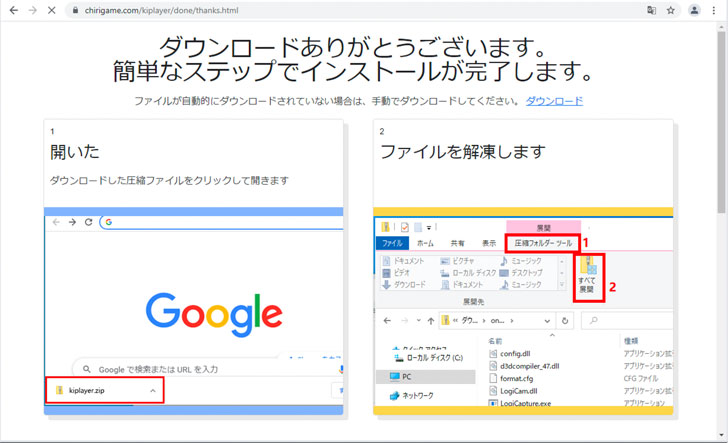
Water Kappa’s latest infection routine commences with
malvertisements for either Japanese animated porn games, reward
points apps, or video streaming services, with the landing pages
urging the victim to download the application — a ZIP archive
containing files from an older version of the “Logitech Capture”
application dated 2018, but also featuring modified files that are
orchestrated to decrypt and run shellcode that, in turn, triggers
the execution of the Cinobi banking trojan.
In addition to geofencing access to the malvertisement portals
from non-Japanese IP addresses, the trojan is designed to pilfer
usernames and passwords for 11 Japanese financial institutions,
three of which are involved in cryptocurrency trading. In the
event, a user visits one of the targeted websites, Cinobi’s
form-grabbing module is activated to capture the filled-in
information in the login screens.
“The new malvertising campaign shows that Water Kappa is still
active and continuously evolving their tools and techniques for
greater financial gain — this one also aims to steal
cryptocurrency,” the researchers said. “In order to minimise the
chances of being infected, users need to be wary of suspicious
advertisements on shady websites, and as much as possible, download
applications only from trusted sources.”
References
- ^
said
(www.trendmicro.com) - ^
previously found
(www.trendmicro.com)