Jan 09, 2023Ravie Lakshmanan
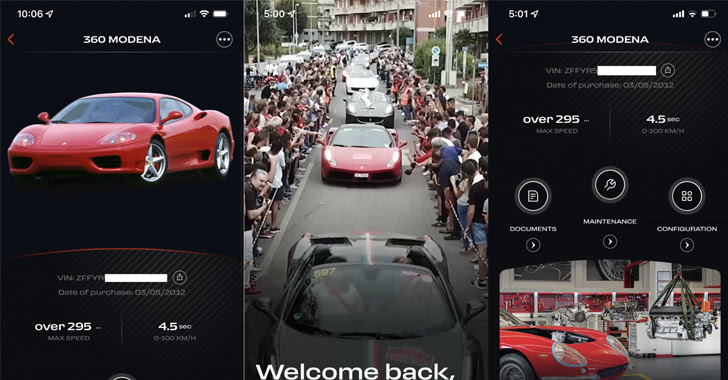
Multiple bugs affecting millions of vehicles from 16 different
manufacturers could be abused to unlock, start, and track cars,
plus impact the privacy of car owners.
The security vulnerabilities[1] were found in the
automotive APIs powering Acura, BMW, Ferrari, Ford, Genesis, Honda,
Hyundai, Infiniti, Jaguar, Kia, Land Rover, Mercedes-Benz, Nissan,
Porsche, Rolls Royce, Toyota as well as in software from Reviver,
SiriusXM, and Spireon.
The flaws run a wide gamut, ranging from those that give access
to internal company systems and user information to weaknesses that
would allow an attacker to remotely send commands to achieve code
execution.
The research builds on earlier findings from late last year,
when Yuga Labs researcher Sam Curry et al detailed[2]
security flaws in a connected vehicle service provided by SiriusXM
that could potentially put cars at risk of remote attacks.
The most serious of the issues, which concern Spireon’s
telematics solution, could have been exploited to gain full
administrative access, enabling an adversary to issue arbitrary
commands to about 15.5 million vehicles as well as update device
firmware.
“This would’ve allowed us to track and shut off starters for
police, ambulances, and law enforcement vehicles for a number of
different large cities and dispatch commands to those vehicles,”
the researchers said.
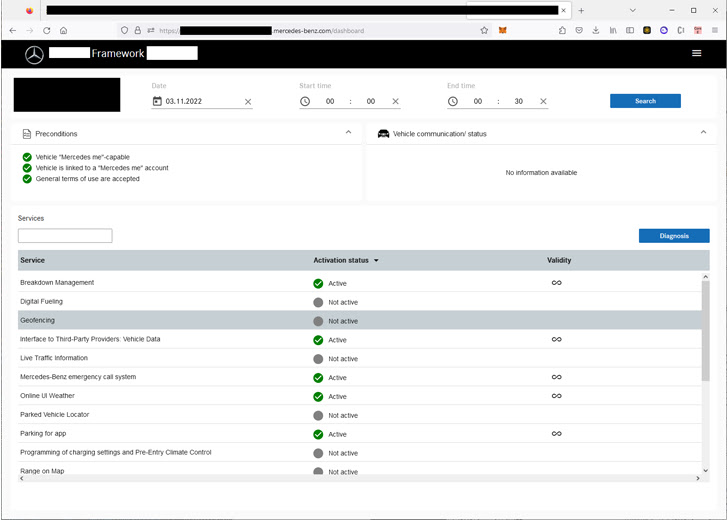
Vulnerabilities identified in Mercedes-Benz could grant access
to internal applications via an improperly configured single
sign-on (SSO) authentication scheme, while others could permit user
account takeover and disclosure of sensitive information.
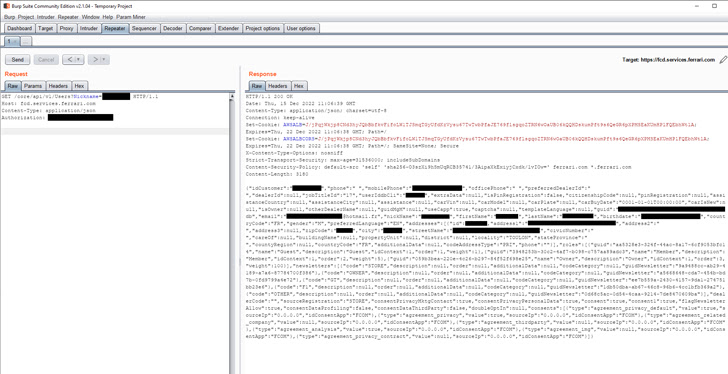
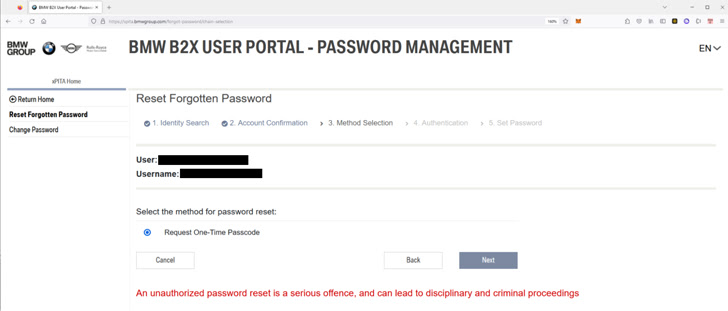
Other flaws make it possible to access or modify customer
records, internal dealer portals, track vehicle GPS locations in
real time, manage the license plate data for all Reviver customers,
and even update vehicle status as “stolen.”
While all the security vulnerabilities have since been fixed by
the respective manufacturers following responsible disclosure, the
findings highlight the need for defense-in-depth strategy to
contain threats and mitigate risk.
“If an attacker were able to find vulnerabilities in the API
endpoints that vehicle telematics systems used, they could honk the
horn, flash the lights, remotely track, lock/unlock, and start/stop
vehicles, completely remotely,” the researchers noted.
Found this article interesting? Follow us on Twitter [3]
and LinkedIn[4]
to read more exclusive content we post.
References
Read more https://thehackernews.com/2023/01/millions-of-vehicles-at-risk-api.html