We can’t deny the fact that words hold the power to change history. Now, we have social media, television, the whole lot. However, back in the days, the human voice was the ultimate weapon, shield and bridge.
Throughout history, we have had leaders, activists and visionaries who have stepped up to the podium, to deliver addresses that continue to echo across generations now. It is safe to say that they created a blueprint for what came next.
Below are 15 of those speeches that left their mark on history and also the reasons why their impact is present to this day.
1. Pericles’ Funeral Oration (431 BCE)
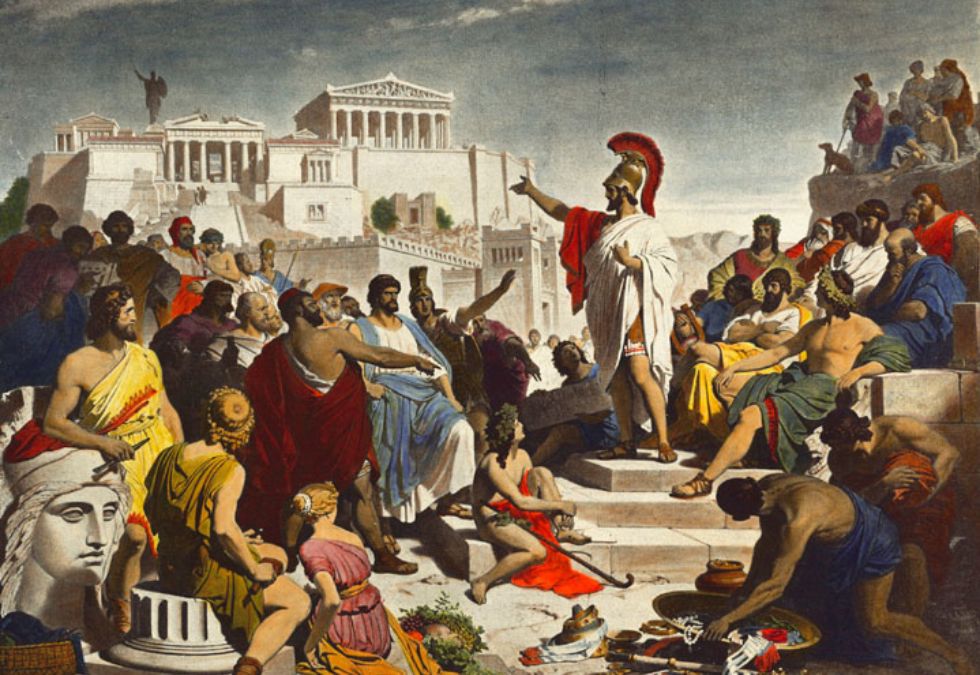
During the Peloponnesian War, Athenian statesman Pericles delivered a eulogy for fallen soldiers that fundamentally reshaped political rhetoric. Instead of merely mourning lost lives, he celebrated the democratic system that made Athens worth defending. Pericles highlighted equality under the law and civic duty over tyranny, creating history’s first great defense of democracy. His rhetorical framework directly inspired future leaders, including Abraham Lincoln, when honoring fallen soldiers while reaffirming foundational national values during times of crisis.
2. Queen Elizabeth I’s Speech to the Troops at Tilbury (1588)
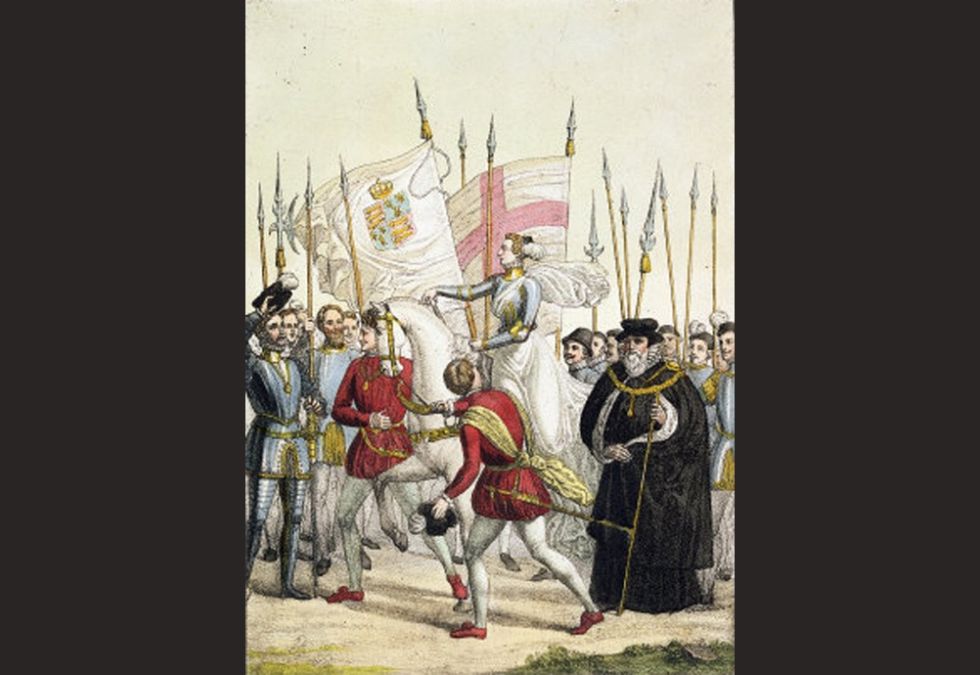
With the Spanish Armada looming off the English coast, Queen Elizabeth I addressed her assembled troops dressed in armor. She confronted doubts about her ability as a female monarch leading a nation into war, famously declaring, “I know I have the body but of a weak and feeble woman; but I have the heart and stomach of a king.” She unified her kingdom and secured her political authority, by converting a perceived liability into a rallying cry.
3. Patrick Henry’s “Give Me Liberty, or Give Me Death!” (1775)
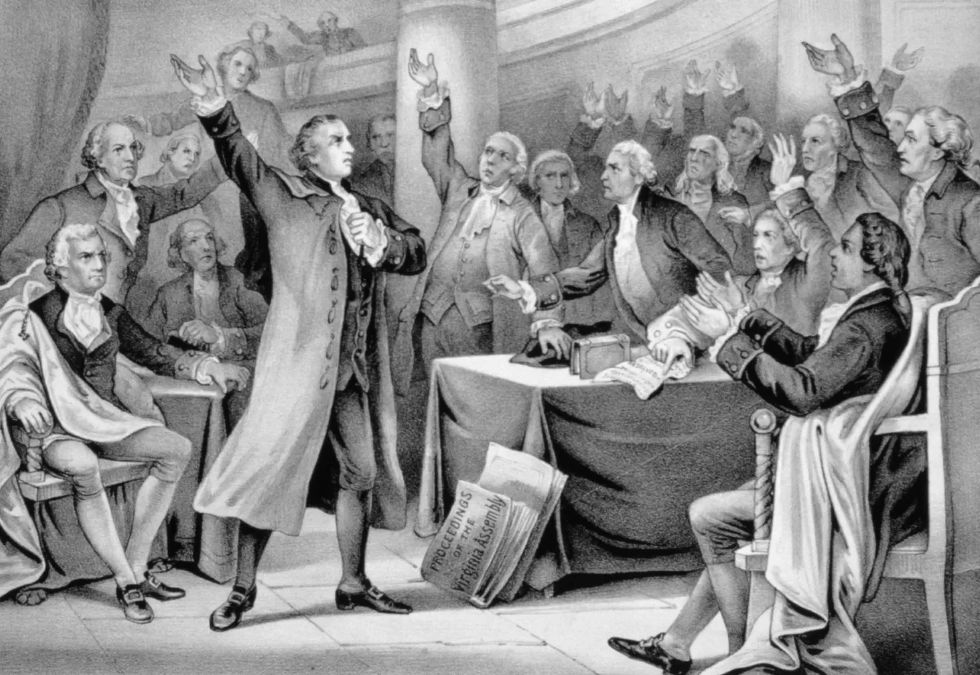
Addressing the Virginia Convention, Patrick Henry argued that diplomatic efforts with Great Britain were completely exhausted. Facing an inevitable choice between submission and armed resistance, Henry urged colonial leaders to act immediately. His electrifying final declaration captured the uncompromising spirit of the American independence movement. The speech convinced delegates to provide troops for the Revolutionary War.
Follow us on MSN!
4. Frederick Douglass’s “What to the Slave Is the Fourth of July?” (1852)
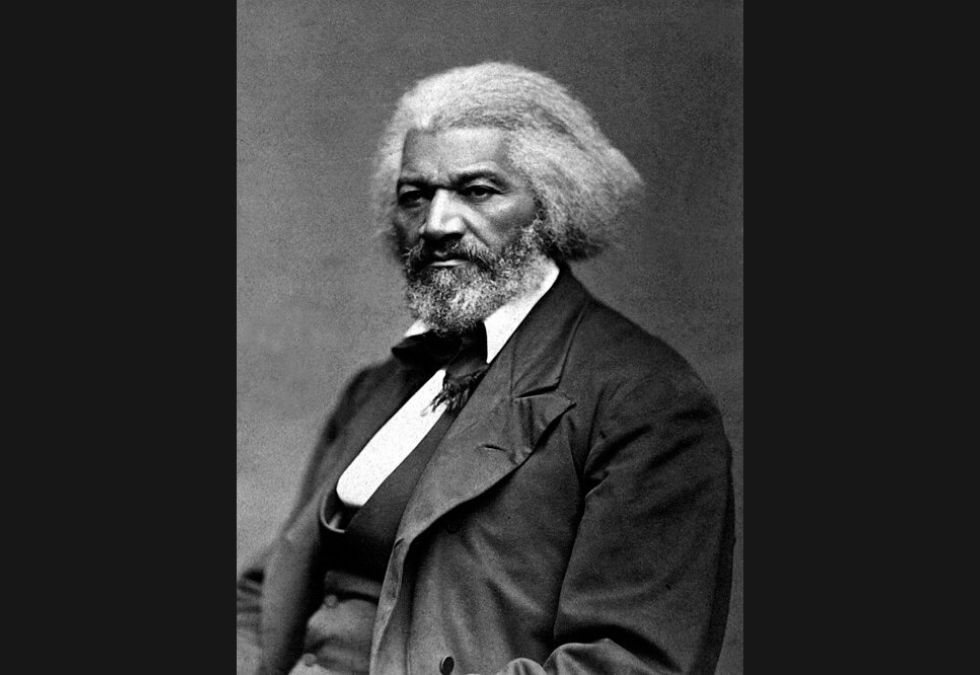
Abolitionist leader Frederick Douglass delivered a scathing critique of American society. Rather than joining the celebration, he exposed the stark hypocrisy of a republic celebrating liberty while holding millions of Black humans in brutal chattel slavery. Douglass used brilliant irony and moral clarity to challenge the nation’s conscience, demonstrating how rhetoric could serve as a devastating weapon against systemic oppression.
5. Abraham Lincoln’s Gettysburg Address (1863)
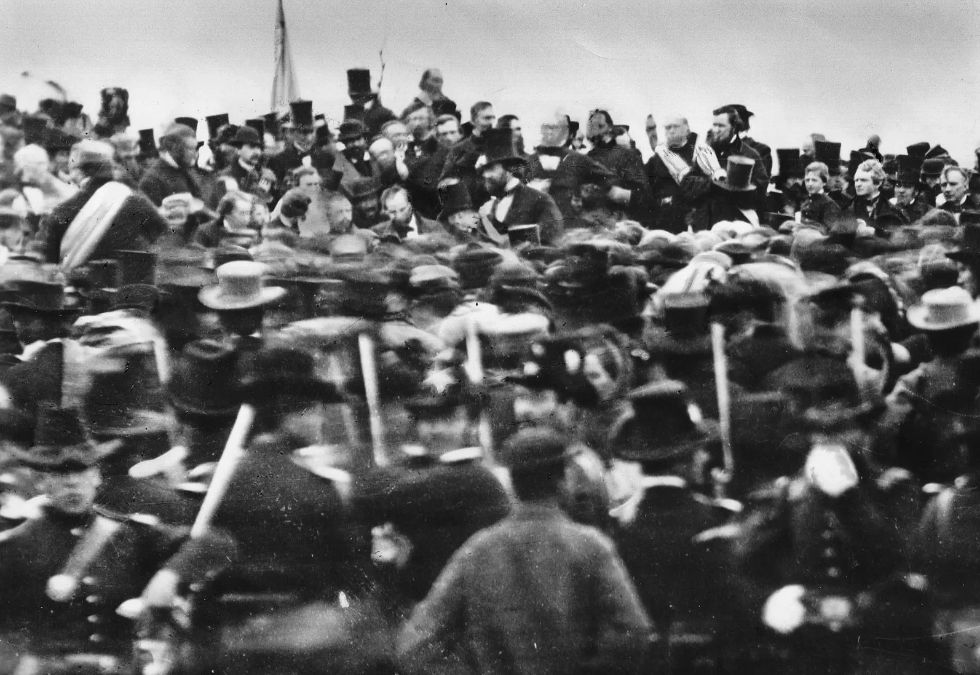
Delivered during the American Civil War at a cemetery dedication, Lincoln’s address lasted just over two minutes. In ten brief sentences, he reframed the war from a political conflict into a moral test of human equality. By connecting the Union cause to the Declaration of Independence, his famous promise of a “government of the people, by the people, for the people” established the definitive global ideal for modern democratic governance.
6. Sojourner Truth’s “Ain’t I a Woman?” (1851)
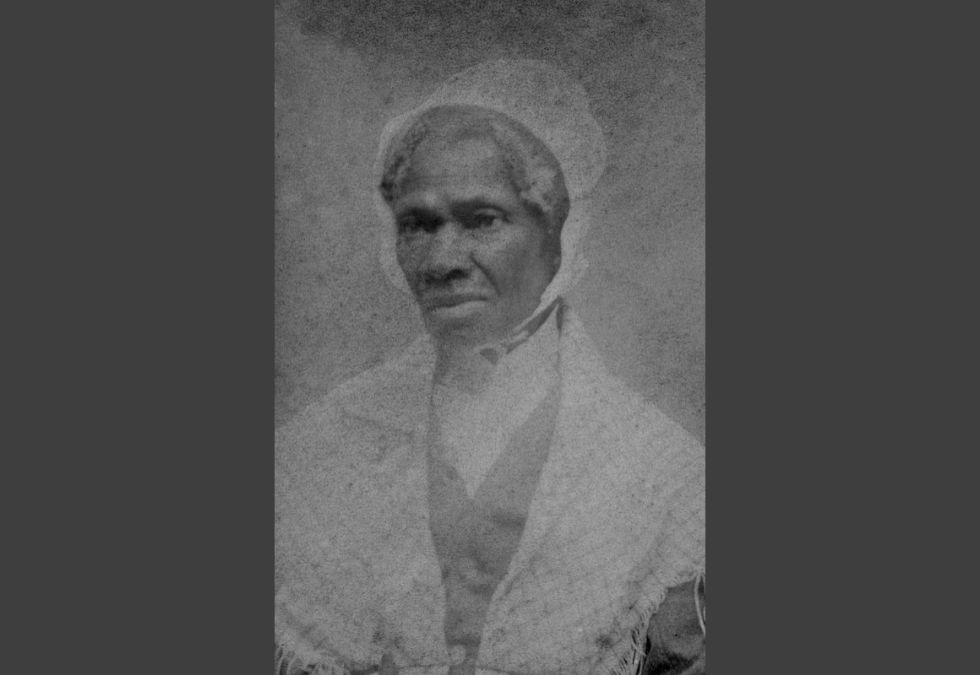
At the Women’s Rights Convention in Akron, Ohio, abolitionist Sojourner Truth stepped forward to deliver an extemporaneous defense of her identity. She challenged prevailing notions of female frailty by highlighting her own physical strength, resilience, and motherhood as a formerly enslaved woman. Truth bridged the gap between abolitionism and women’s suffrage, demanding that equality account for both race and gender.
Some of the most memorable graduation speeches in history offer timeless advice about success, failure, and finding your own path in life.
7. Emmeline Pankhurst’s “Freedom or Death” (1913)
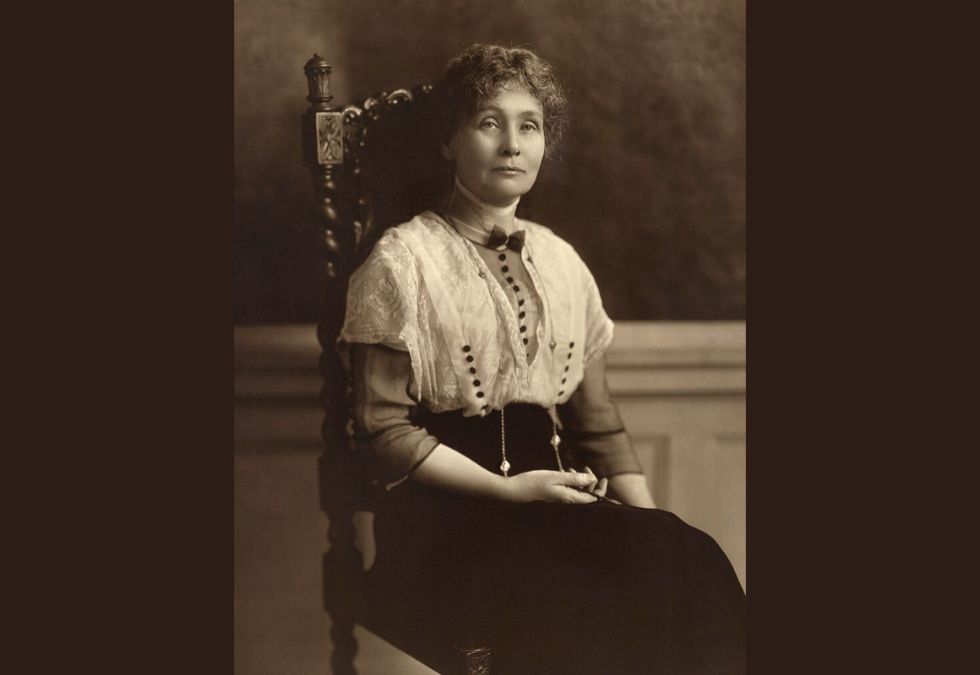
British suffragette leader Emmeline Pankhurst defended the militant tactics used by women seeking voting rights. She argued that decades of peaceful petitioning had failed and that governments only respond to persistent public disruption. Pankhurst framed political disenfranchisement as an intolerable form of tyranny, energizing the global suffrage movement by asserting that women were forced to choose between passive submission or fighting for their freedom.
8. Winston Churchill’s “We Shall Fight on the Beaches” (1940)
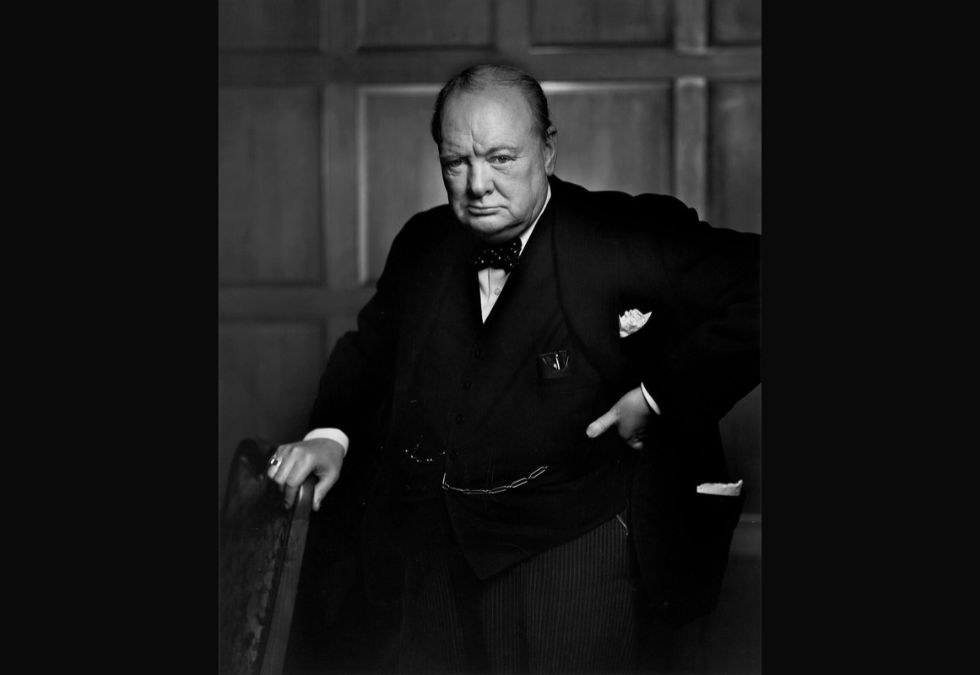
With Western Europe collapsing under Nazi control and Allied troops evacuating Dunkirk, Prime Minister Winston Churchill addressed the House of Commons. His objective was to prepare Britain for an imminent invasion without letting national confidence collapse. By systematically vowing to defend the realm on the beaches, fields, and streets, Churchill transformed wartime rhetoric into a psychological shield, fortifying British resolve.
9. Franklin D. Roosevelt’s First Inaugural Address (1933)
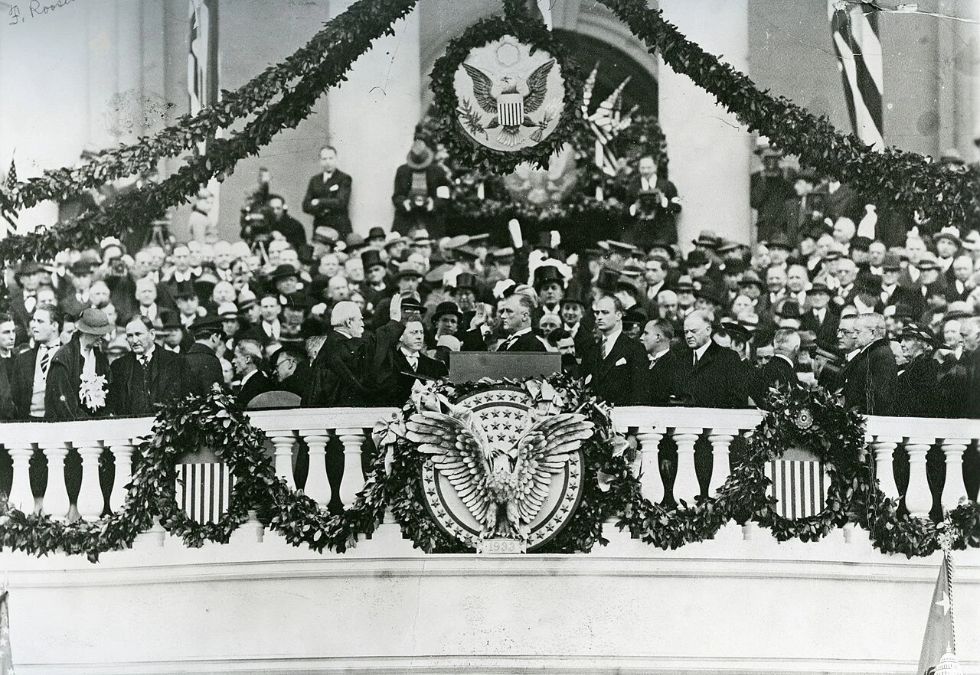
President Franklin D. Roosevelt faced a public paralyzed by bank crashes and massive unemployment. By asserting that “the only thing we have to fear is fear itself,” FDR diagnosed panic as the primary obstacle to economic recovery. The speech restored public faith in national leadership and established the psychological momentum needed to launch the New Deal economic programs.
10. Mahatma Gandhi’s “Quit India” Speech (1942)
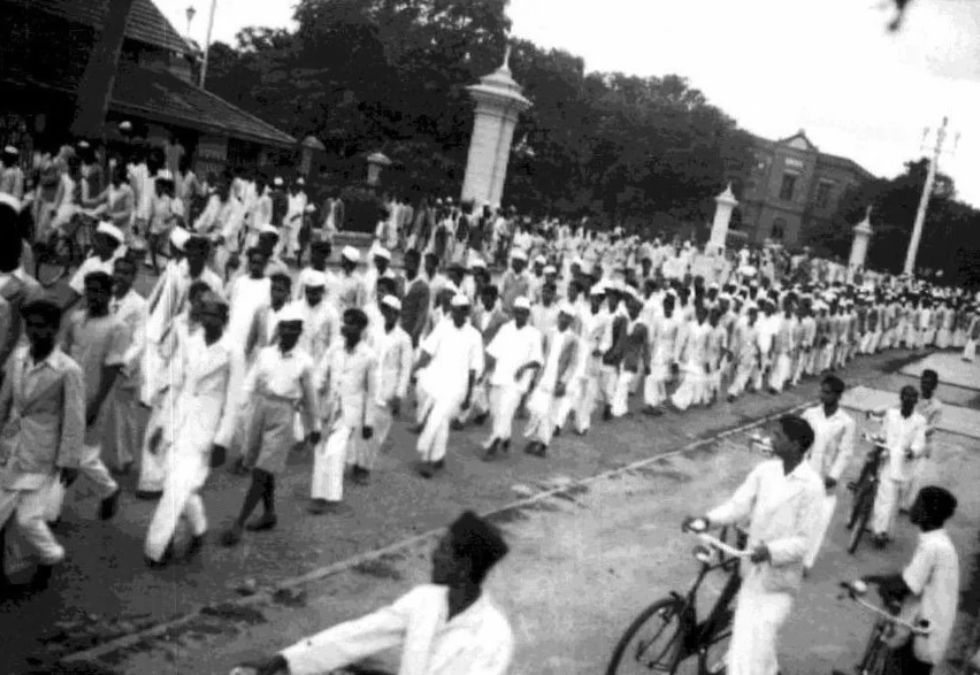
On the eve of launching the Quit India movement in Mumbai, Mahatma Gandhi demanded an immediate end to British colonial rule while maintaining an unyielding commitment to non-violence. He issued his historic call to action, “Do or Die,” mobilizing millions across the subcontinent in a coordinated campaign of civil disobedience. The speech crippled colonial authority, marking the final chapter in India’s independence struggle.
11. John F. Kennedy’s Inaugural Address (1961)
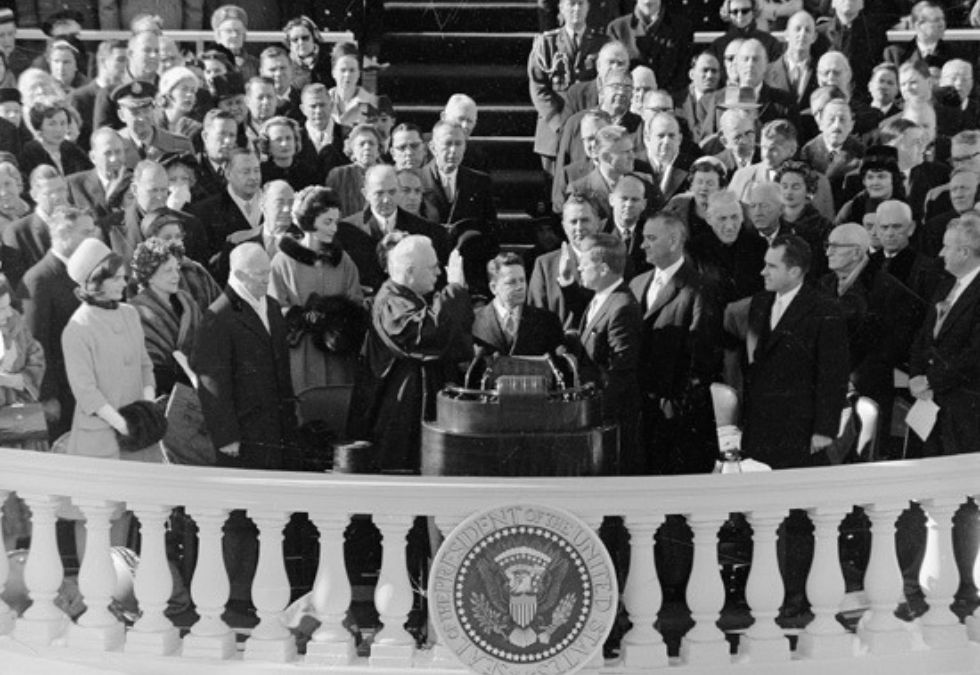
John F. Kennedy’s inaugural address set an optimistic yet vigilant tone for modern diplomacy. He heralded the passing of the torch to a new generation, famously challenging citizens: “Ask not what your country can do for you – ask what you can do for your country.” The speech shifted public consciousness toward international service, scientific ambition, and civic responsibility.
History wasn’t always serious or dramatic, these quirky historical facts reveal the strange, funny, and unexpected moments that make the past more entertaining.
12. Martin Luther King Jr.’s “I Have a Dream” (1963)
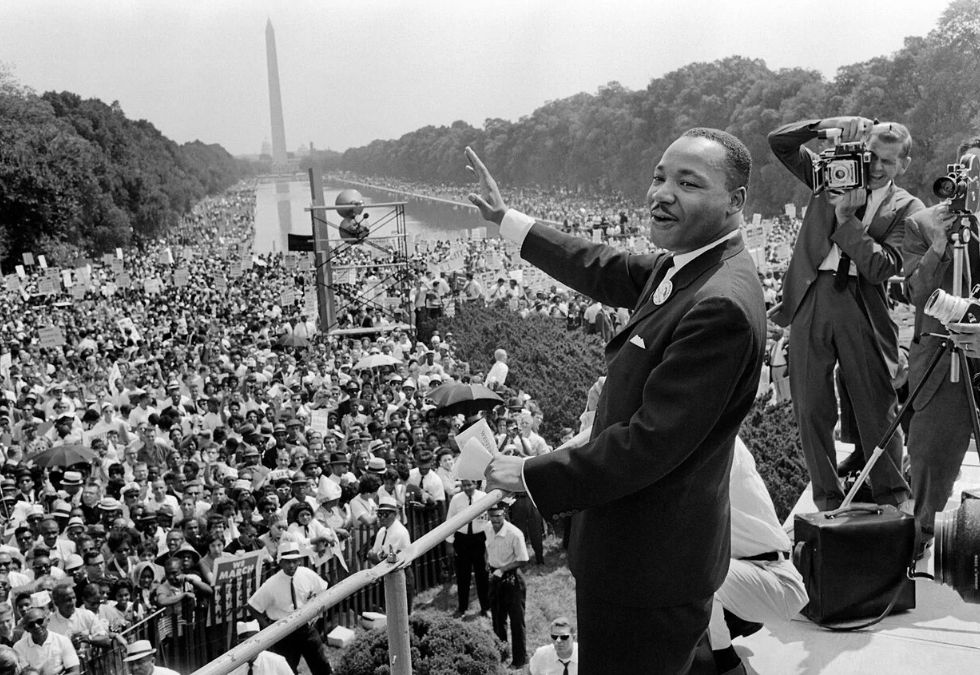
Dr. Martin Luther King Jr. delivered a defining speech for the American Civil Rights Movement. Combining biblical cadence and constitutional principles, King shared his vision of a nation where individuals are judged by the content of their character rather than the color of their skin. The address generated immense moral momentum, directly accelerating the passage of landmark federal civil rights legislation.
13. Nelson Mandela’s “I Am Prepared to Die” (1964)
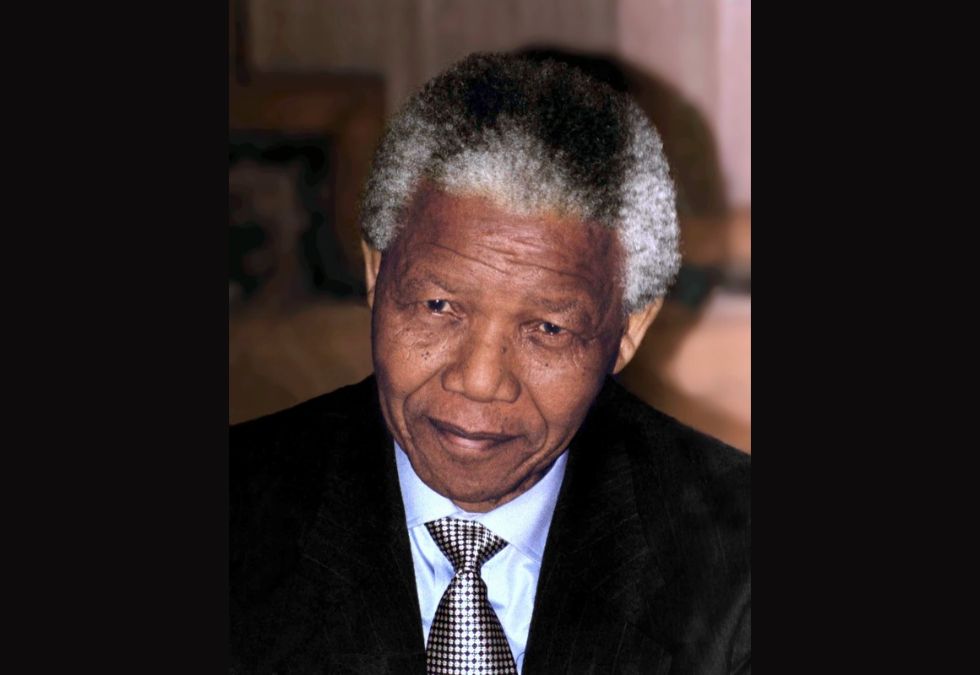
Facing the death penalty during the Rivonia Trial, anti-apartheid leader Nelson Mandela spoke directly from the dock to explain his political convictions. He used the courtroom as an international platform to expose the cruelties of racial oppression in South Africa, concluding that a free society was an ideal for which he was prepared to die.
14. Ronald Reagan’s “Tear Down This Wall!” (1987)
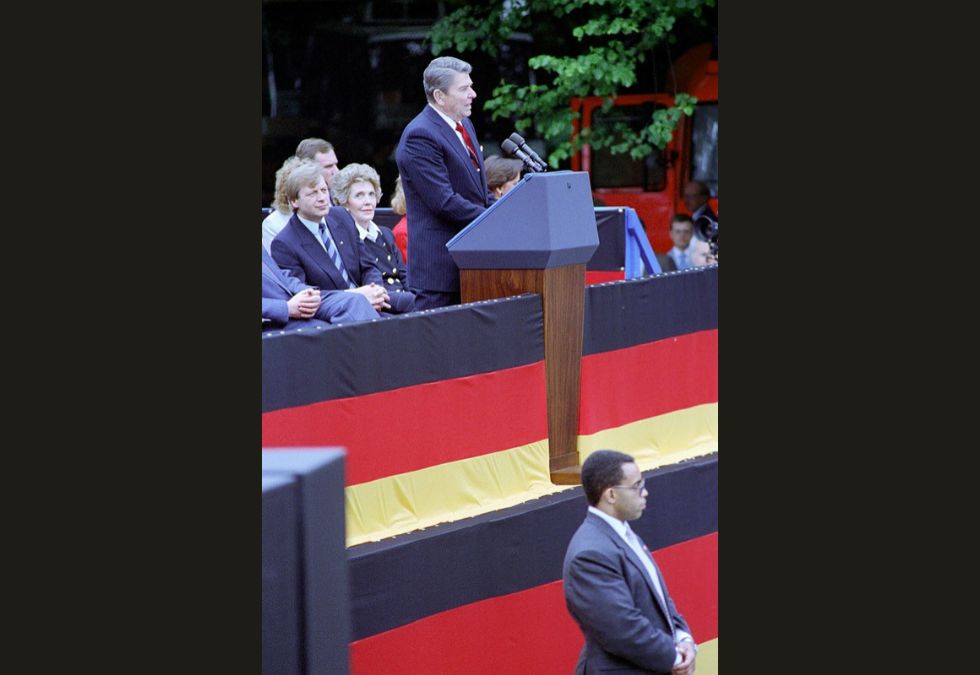
President Ronald Reagan addressed Soviet leader Mikhail Gorbachev directly, demanding a visible commitment to peace and openness. While initially viewed as mere political theater by critics, his bold call to tear down the wall became the defining symbol of the Cold War’s final years, resonating across Eastern Europe until the barrier was finally dismantled two years later in 1989.
15. Malala Yousafzai’s Address to the United Nations (2013)
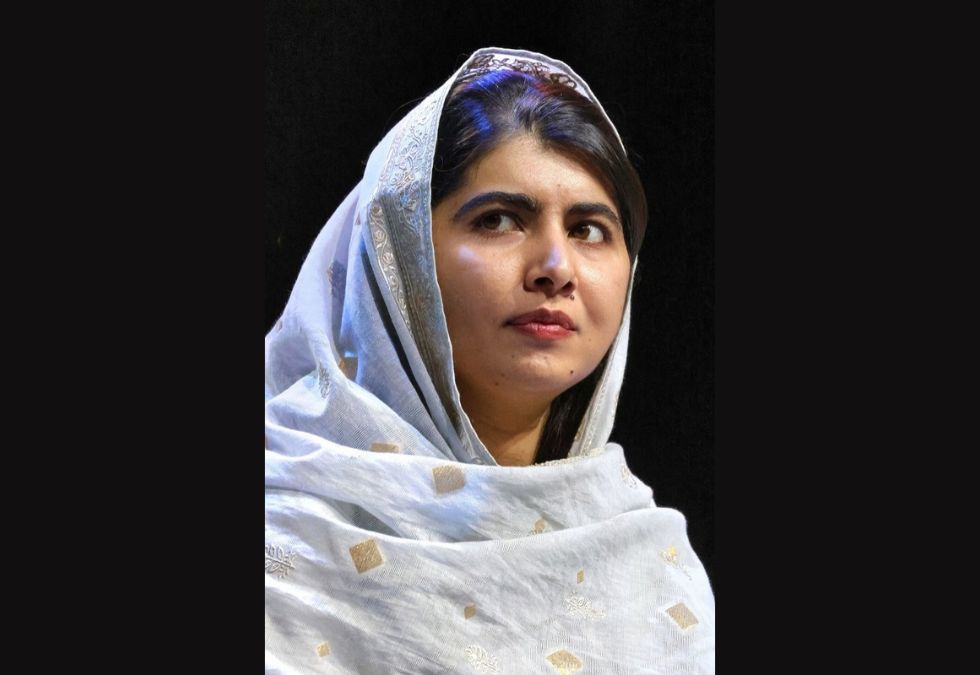
Delivered on her 16th birthday, less than a year after surviving a Taliban assassination attempt for attending school, Malala Yousafzai addressed the United Nations Youth Assembly. She advocated for universal access to education, famously declaring that “one child, one teacher, one book, and one pen can change the world.”
Discover small gestures that speak louder than words and show how simple acts of kindness can leave a lasting impact on others.
Final Words
Speeches, especially impactful ones like these, remain the most direct form of connection in the world. They hold the ability to challenge tyrannical systems, calm national anxiety and also spark systemic reform. As history continually unfolds, we are sure to get even more of these speeches, which will also remain immortal throughout generations to come.
The post 15 Speeches That Left Their Mark on History appeared first on Oldest.org.