The year 1945 was one of the most extraordinary turning points in modern history. World War II finally came to an end, cities lay in ruins, millions of people searched for missing relatives, and celebrations erupted in streets across continents. At the same time, the world witnessed the birth of a new international order, the beginning of the atomic age, and the first steps toward rebuilding shattered communities.
1. The Flag Raising on Iwo Jima
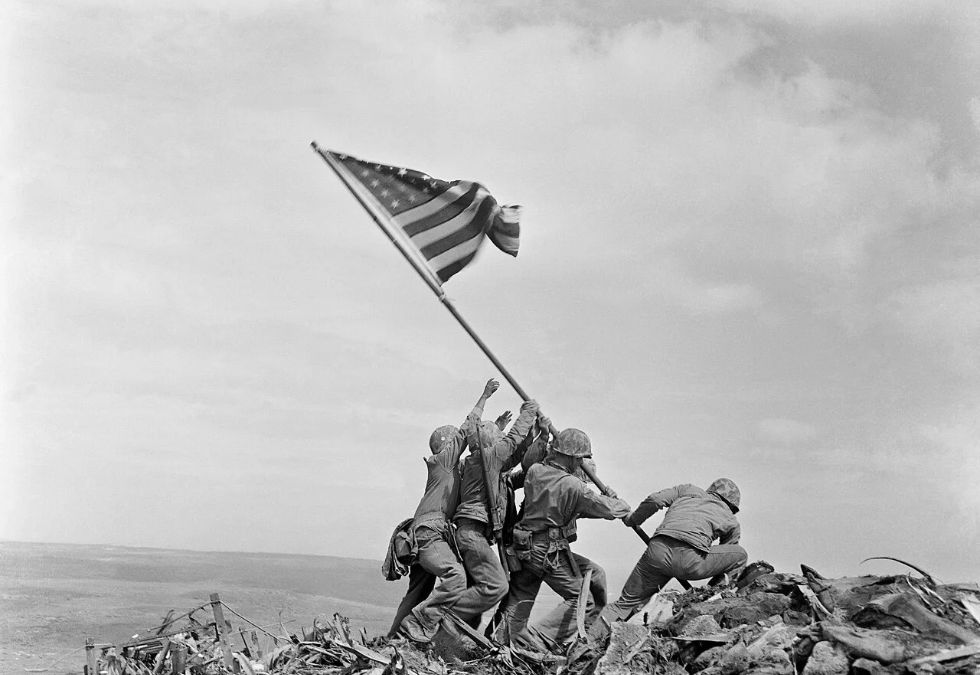
Few wartime photographs became as recognizable as this image of six U.S. Marines raising a flag on Iwo Jima. Captured by Associated Press photographer Joe Rosenthal, the photograph emerged during a brutal battle against Japanese forces. It won the 1945 Pulitzer Prize for Photography and became a lasting symbol of American military sacrifice.
2. The Yalta Conference Shapes the Postwar World
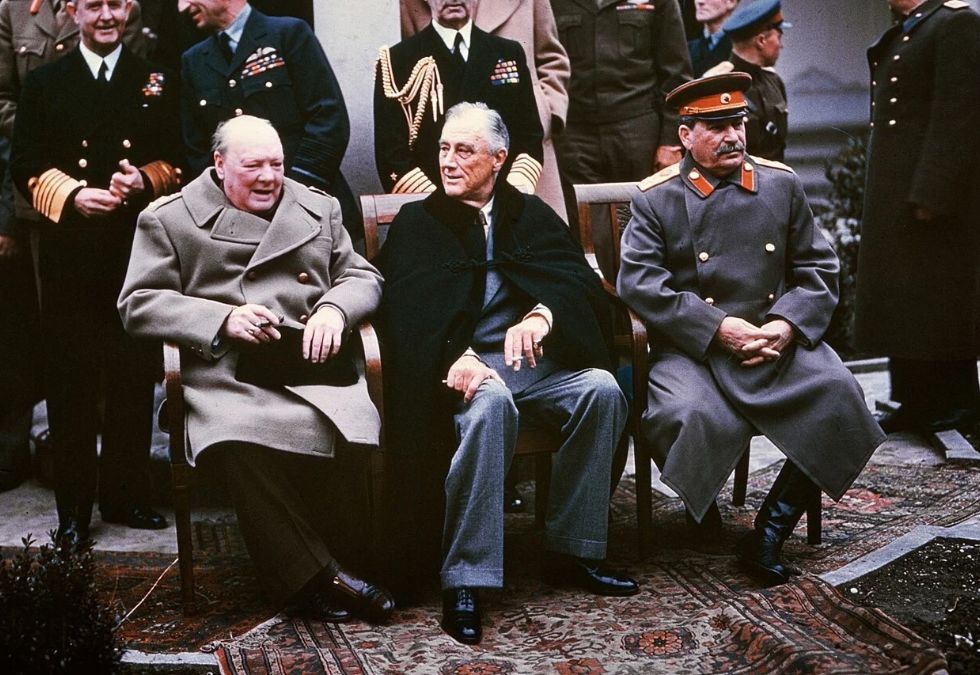
Three of the most influential Allied leaders gathered in Crimea in February 1945 to discuss the final defeat of Nazi Germany and the future of Europe. Their meeting captured a crucial moment when military cooperation still united them, even as disagreements over Eastern Europe and the postwar political order threatened to shape a new international rivalry.
3. Berlin Lies in Ruins After the Battle
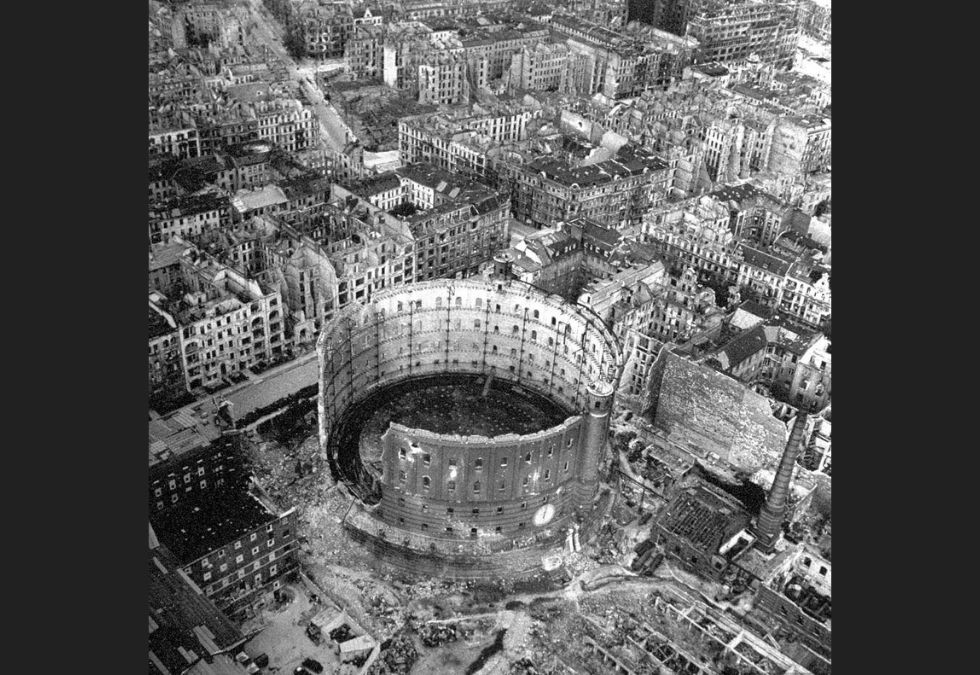
By the spring of 1945, Berlin had become a landscape of shattered buildings, collapsed facades, and rubble-covered streets. Soviet forces captured the German capital after intense fighting, and Adolf Hitler died by suicide on April 30.
Follow us on MSN for more!
4. Crowds Celebrate Victory in London
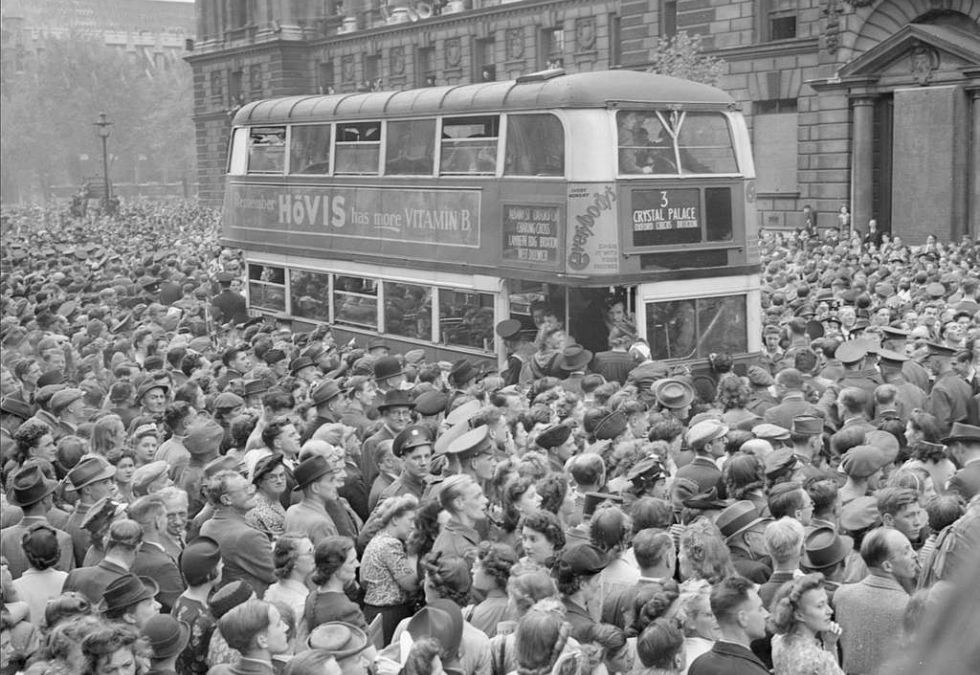
On May 8, 1945, people poured into London’s streets to celebrate Nazi Germany’s surrender. Flags, smiling faces, and packed public squares transformed familiar city landmarks into scenes of collective relief.
5. The Liberation of Nazi Concentration Camps
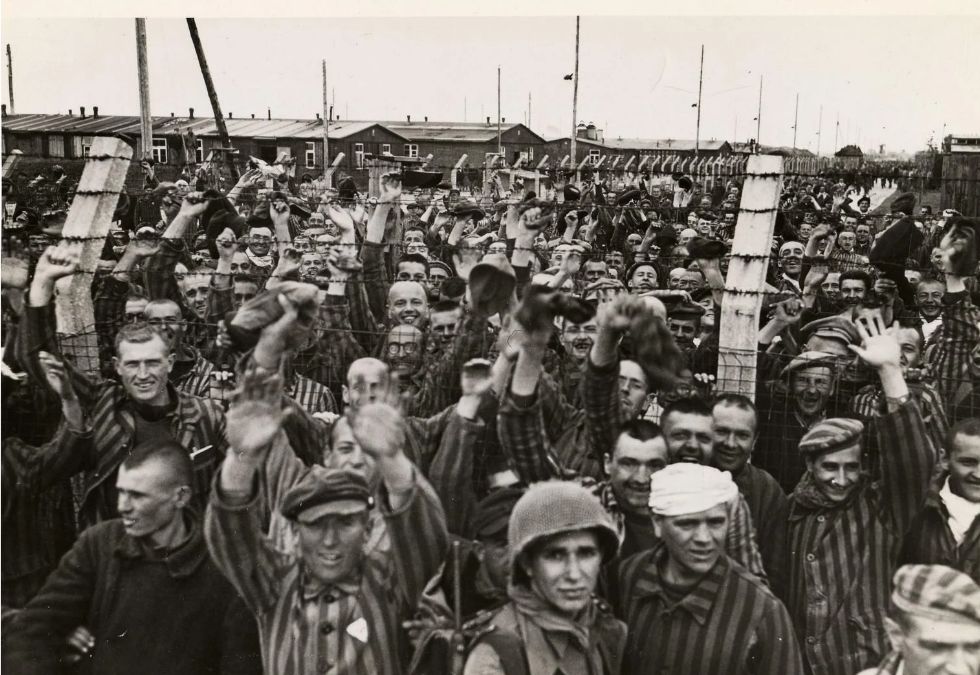
As Allied troops advanced through Nazi Germany, they encountered concentration camps containing survivors suffering from starvation, disease, and extreme abuse. Photographs from Buchenwald and other camps exposed the scale and brutality of Nazi persecution.
6. Hiroshima After the Atomic Bomb
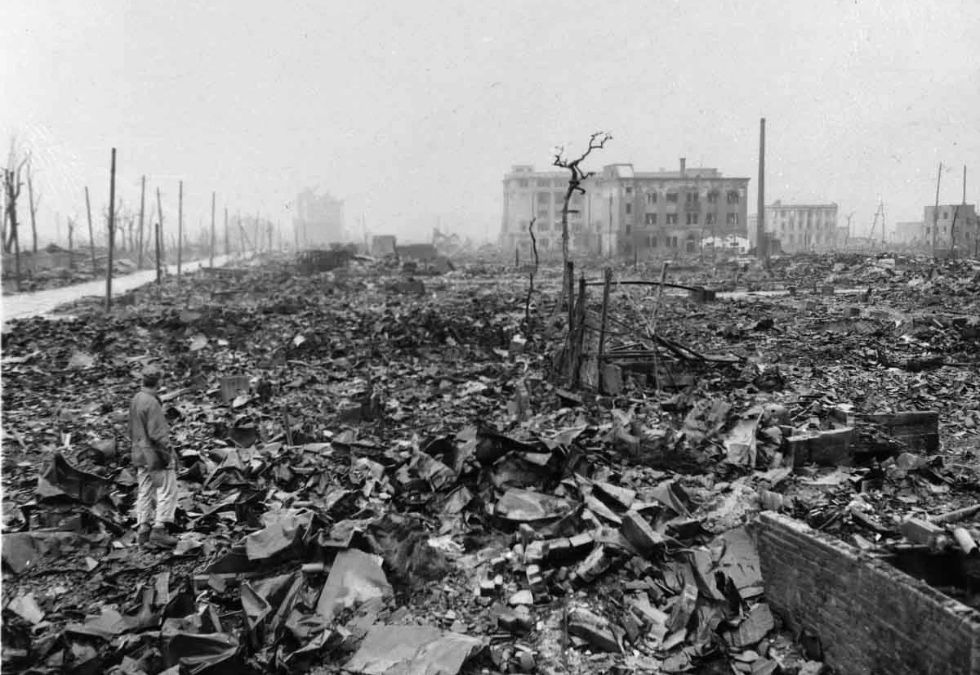
The atomic bombing of Hiroshima on August 6 transformed the city within moments, destroying buildings and killing enormous numbers of people. Subsequent photographs showed flattened neighborhoods, damaged infrastructure, and skeletal structures standing amid the wreckage.
7. Nagasaki Bears the Devastation of a Second Atomic Bomb
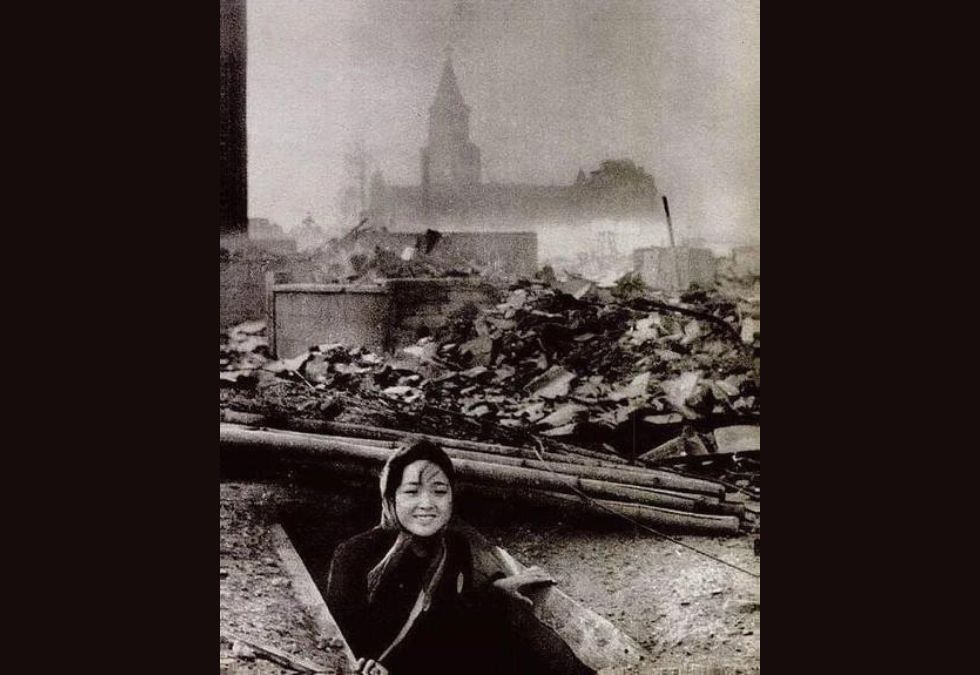
Three days after Hiroshima, a second atomic bomb struck Nagasaki. Photographs taken afterward revealed vast areas of destruction, damaged industrial facilities, and neighborhoods reduced to rubble. The bombing killed tens of thousands of people, with additional deaths occurring later from injuries and radiation exposure.
8. New York Celebrates Japan’s Surrender
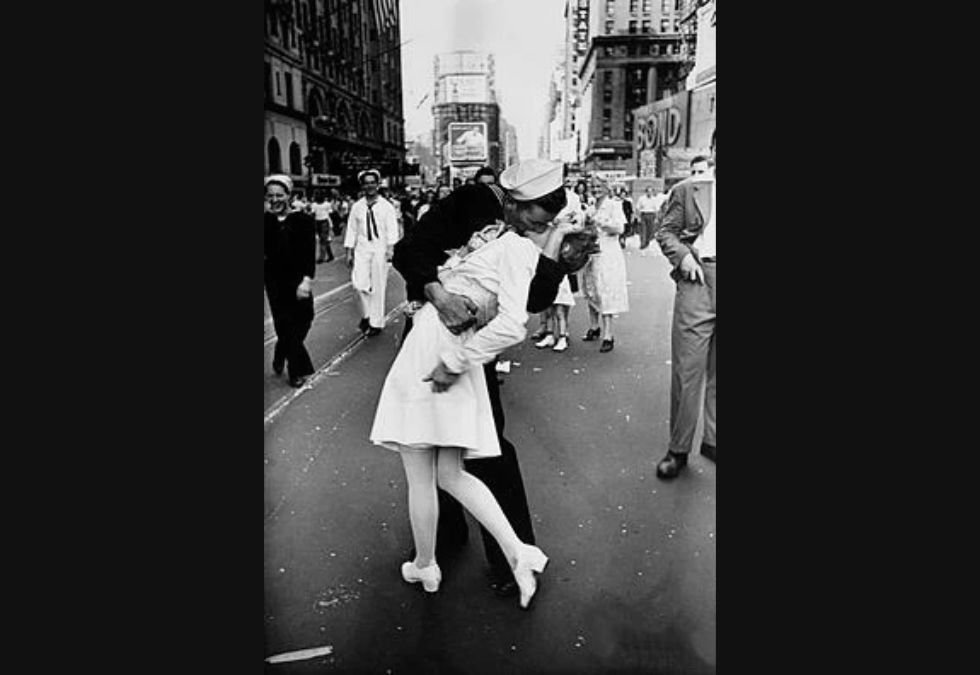
News of Japan’s surrender announcement on August 14 triggered spontaneous celebrations across New York City. Times Square filled with people embracing, cheering, and waving in excitement. The formal surrender ceremony would take place on September 2, but for many civilians, the announcement made peace finally feel within reach.
9. German Civilians Return to a Broken Homeland
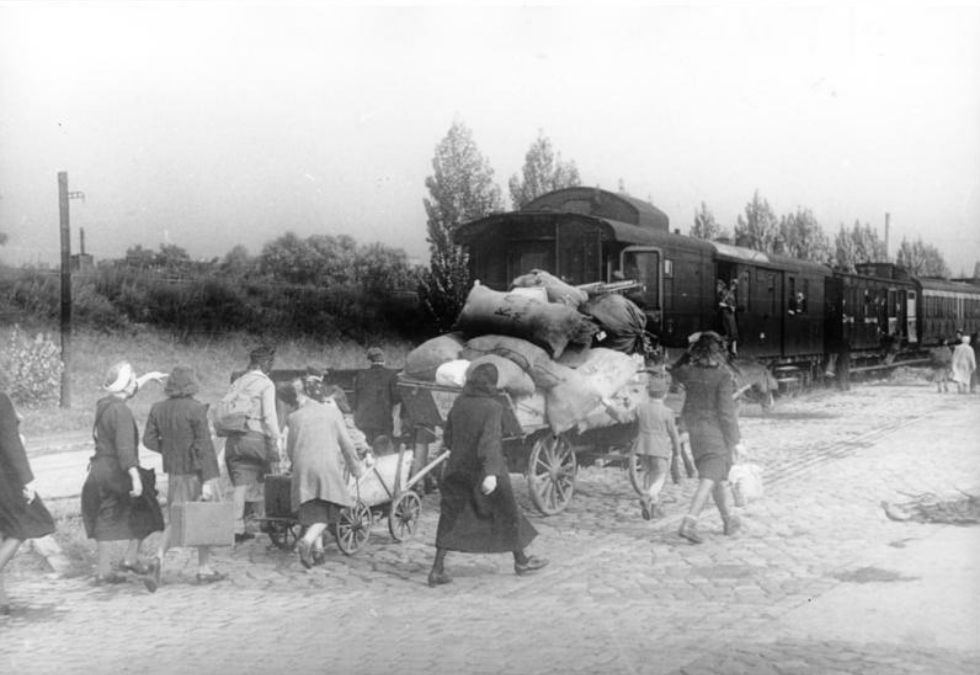
Germany’s defeat left millions of civilians facing homelessness, shortages, and uncertainty about their country’s future. Photographs of families moving through damaged streets showed the human consequences of a war that had devastated much of Europe.
10. Allied Troops Cross the Rhine
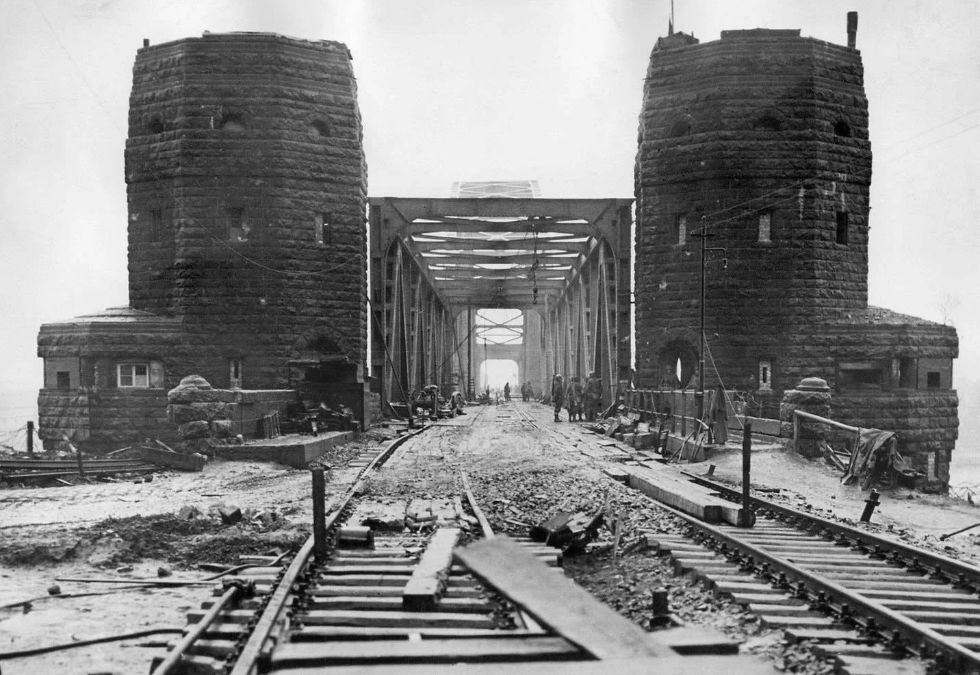
The crossing of the Rhine River became a major milestone in the Allied advance into Germany. Photographs taken in March 1945 documented soldiers, vehicles, and military supplies moving across bridges and other crossing points. The advance opened routes deeper into German territory and helped accelerate the collapse of Nazi resistance in the west.
11. The United Nations Is Born
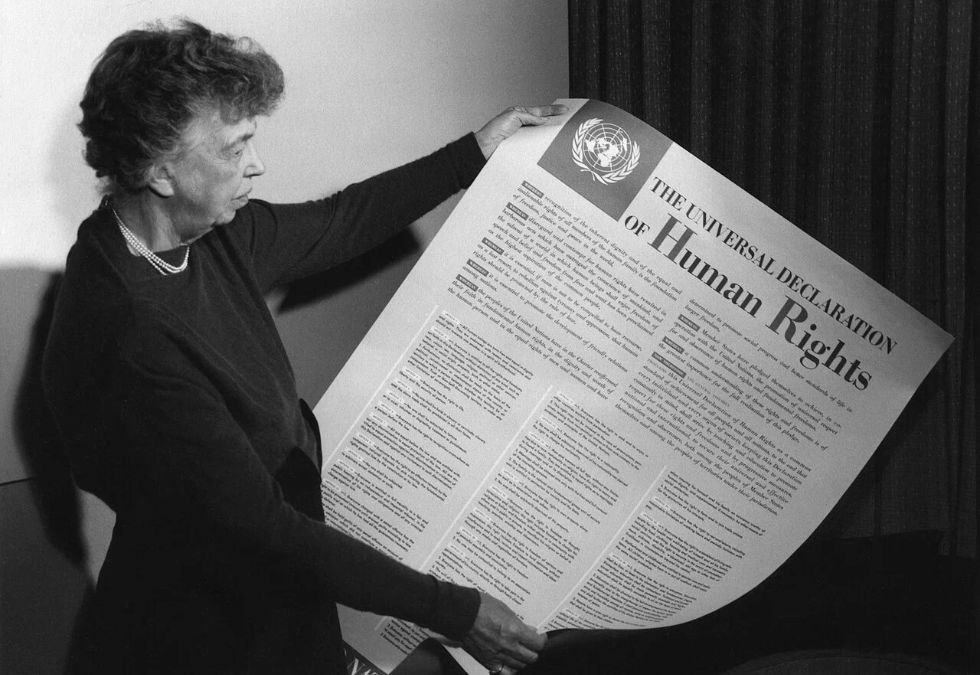
While armies were still fighting, representatives from 50 countries gathered in San Francisco to establish a new international organization dedicated to maintaining peace and promoting cooperation. The conference ran from April to June and produced the United Nations Charter, which was signed on June 26.
12. The Potsdam Conference Brings Allied Leaders Together
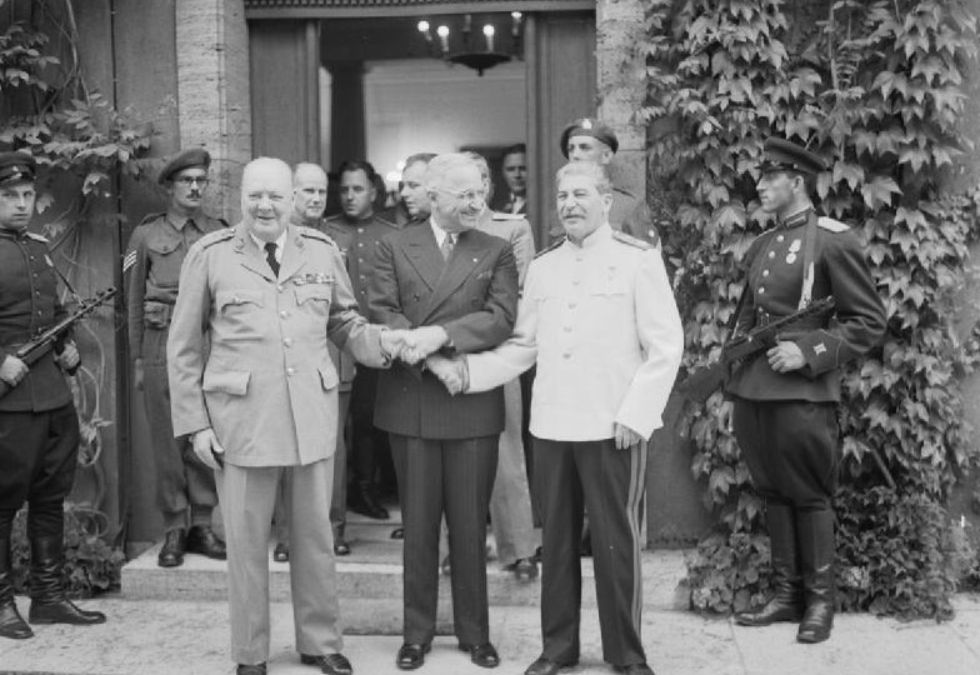
In July 1945, Harry S. Truman, Winston Churchill, and Joseph Stalin met near Berlin to address Germany’s occupation and the future of postwar Europe. The conference took place after Germany’s surrender but before Japan’s formal capitulation.
13. The First Atomic Bomb Test Changes History
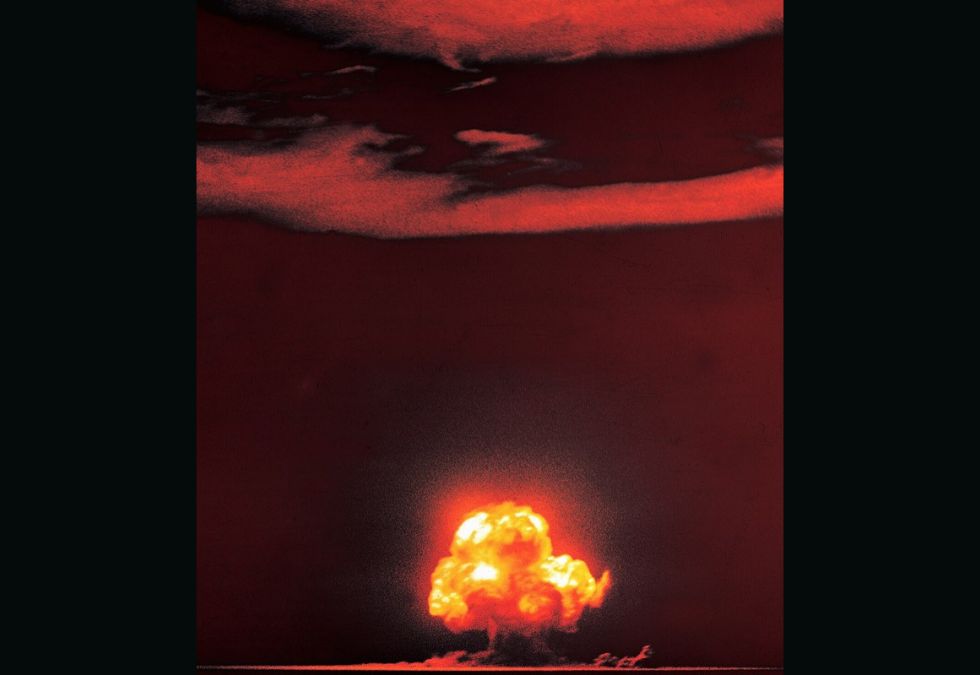
In the New Mexico desert, scientists and military personnel witnessed the first successful test of a nuclear weapon. Known as the Trinity test, the explosion marked a dramatic scientific achievement with consequences that extended far beyond the testing site.
14. Children Released From Buchenwald Begin New Journeys
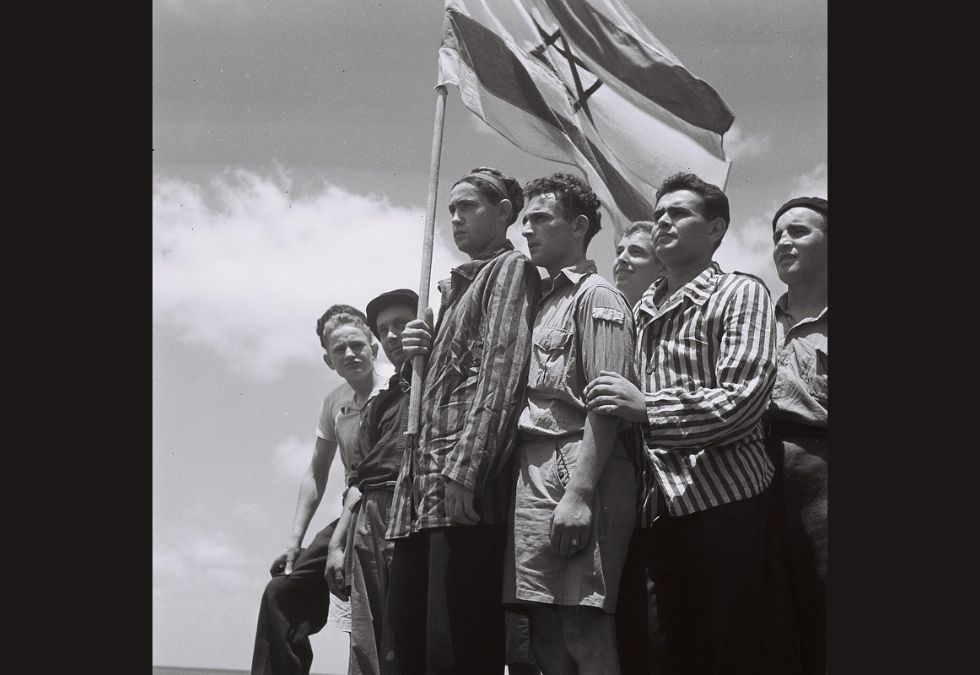
Among the most moving photographs from the aftermath of liberation are images of children who survived Nazi concentration camps. A documented June 1945 photograph shows Jewish children from Poland, Latvia, and Hungary preparing to travel toward Palestine after their release from Buchenwald.
Explore what life was like during World War II and discover how Germany changed under Hitler’s rule, as the country faced war, destruction, and growing uncertainty.
15. The USS Missouri Hosts Japan’s Surrender
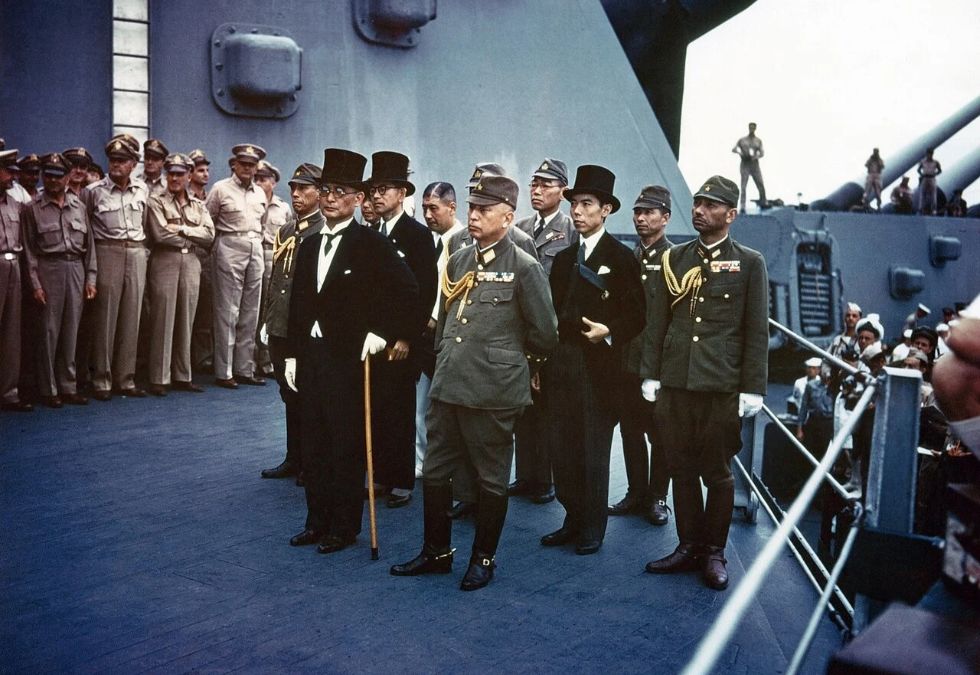
On September 2, Japanese representatives signed the formal surrender documents aboard the American battleship USS Missouri in Tokyo Bay. Allied officials watched as the ceremony officially brought World War II to an end.
The attack on Pearl Harbor changed the course of World War II, and the stories of the oldest Pearl Harbor survivors offer a powerful look at the people who lived through that historic day.
16. London Begins Rebuilding After the Blitz
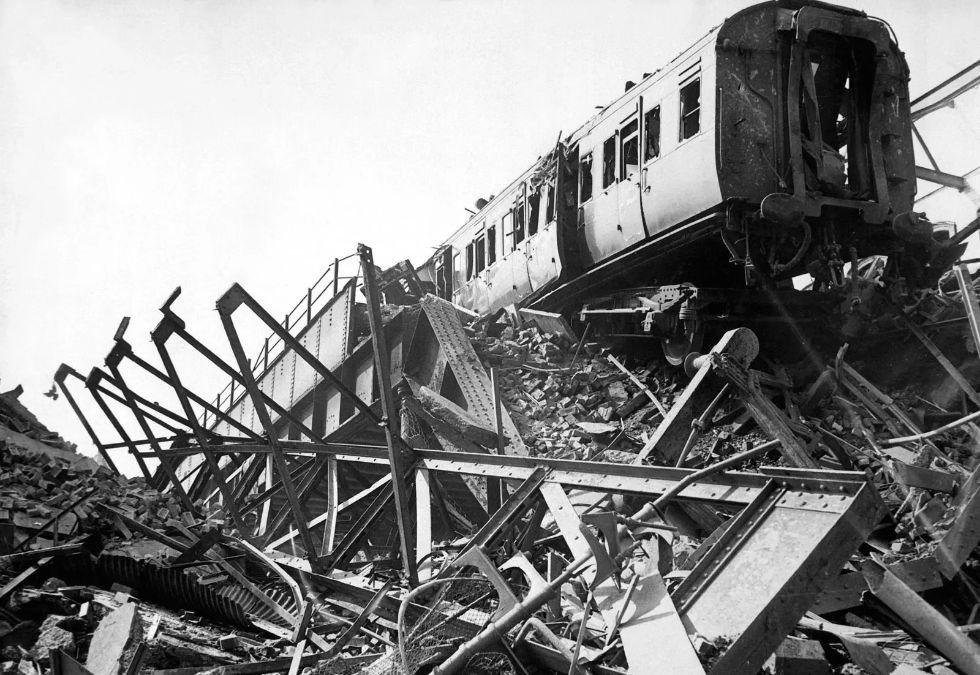
Although victory celebrations filled London’s streets in May, the city still carried visible scars from years of German bombing. Damaged buildings, cleared plots, and repairs to essential infrastructure were reminders of the conflict’s enormous cost.
17. American Servicemen Return Home
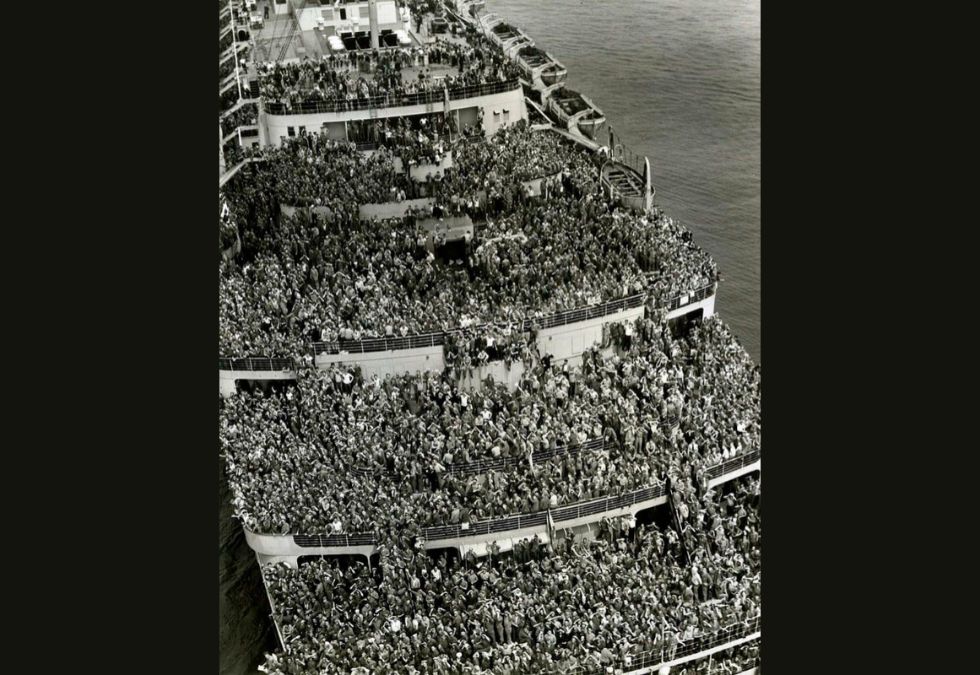
The return of servicemen became one of the defining scenes of the transition from war to peace. On June 20, 1945, the famous liner Queen Mary arrived in New York Harbor carrying thousands of American troops returning from Europe.
18. Japan’s Cities Face Widespread Wartime Destruction
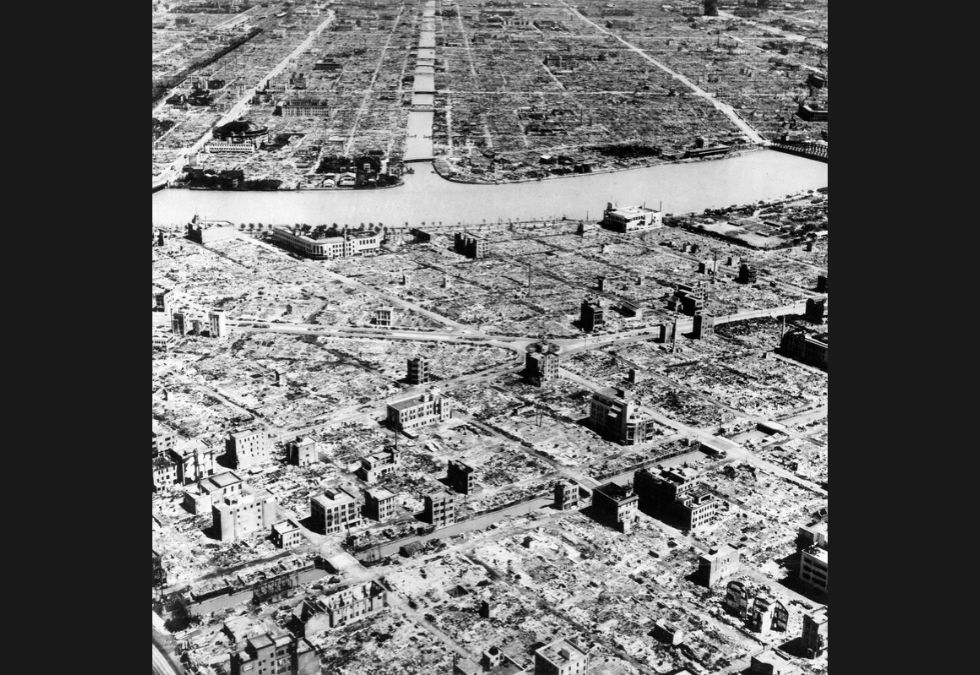
The devastation experienced by Japanese cities in 1945 extended beyond Hiroshima and Nagasaki. Conventional bombing raids had already destroyed large areas of urban Japan, leaving homes, businesses, and public infrastructure in ruins.
19. Women Continue Working as the War Ends
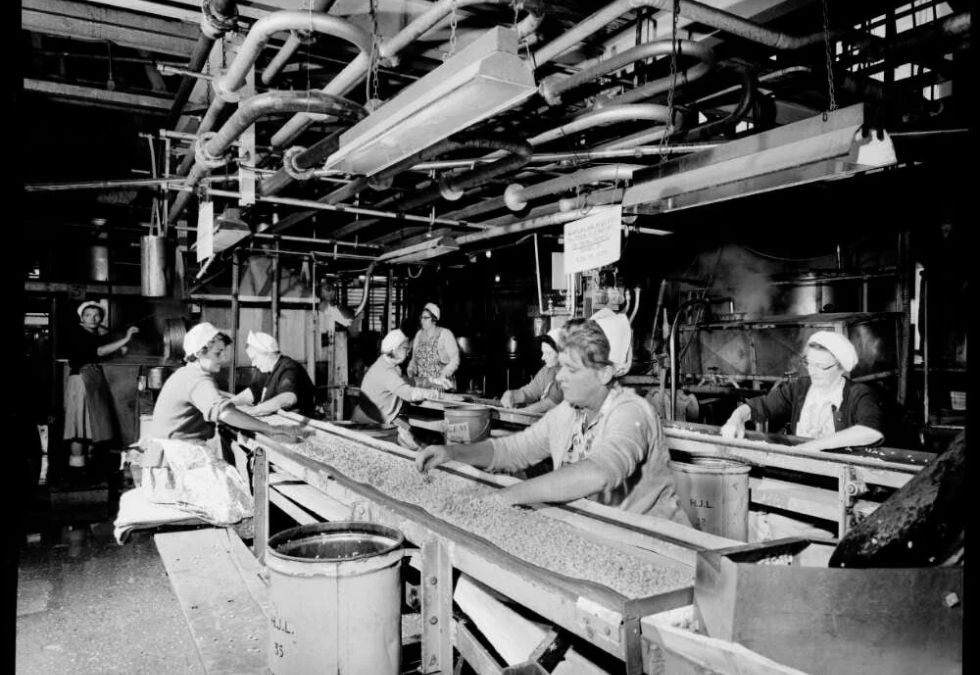
Women played essential roles in factories, transport services, offices, and other industries during the war. Photographs of female workers in 1945 reveal how wartime labor had changed expectations about women’s participation in the workforce. As military production needs shifted after victory, many women faced pressure to leave jobs for returning servicemen.
20. A World Begins to Imagine Peace
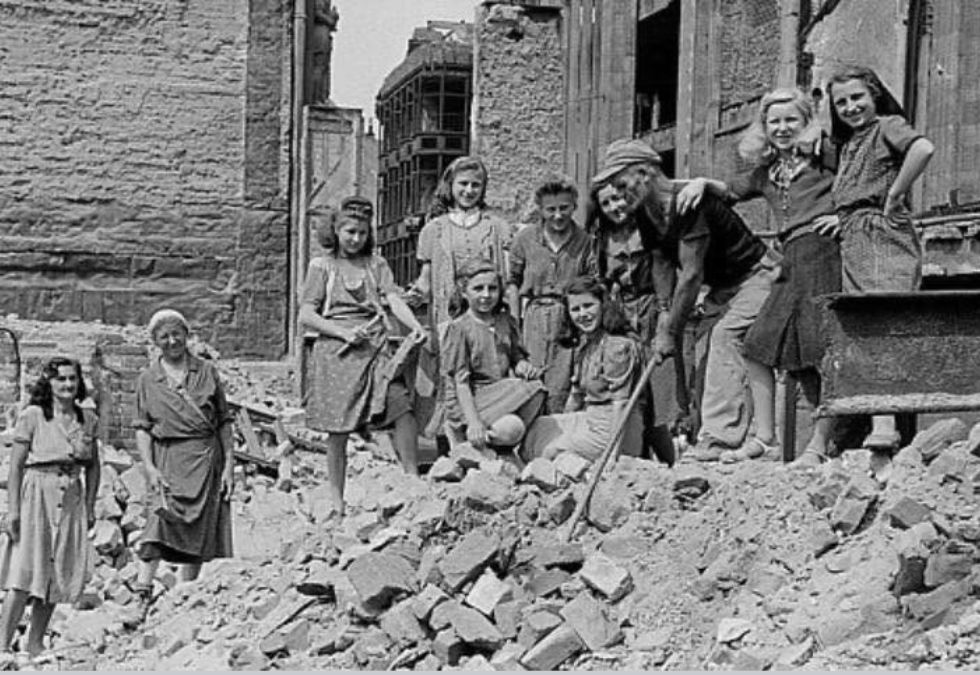
By the final months of 1945, rebuilding had become a daily necessity for communities devastated by years of conflict. Civilians cleared debris, repaired damaged homes, reopened shops, and tried to restore a sense of normality.
Conclusion
The photographs of 1945 tell a story far more complex than victory alone. They preserve moments of celebration, scenes of devastating loss, historic diplomatic agreements, and the determination of ordinary people to rebuild their lives. Together, these images help us understand how the end of World War II reshaped countries, societies, and international relations.
For readers exploring fascinating photos that capture the world in 1945, these historical records offer a powerful reminder that every major event was experienced by real people. Their struggles, sacrifices, and hopes continue to shape how we remember this extraordinary year.
The post 20 Fascinating Photos That Capture the World in 1945 appeared first on Oldest.org.