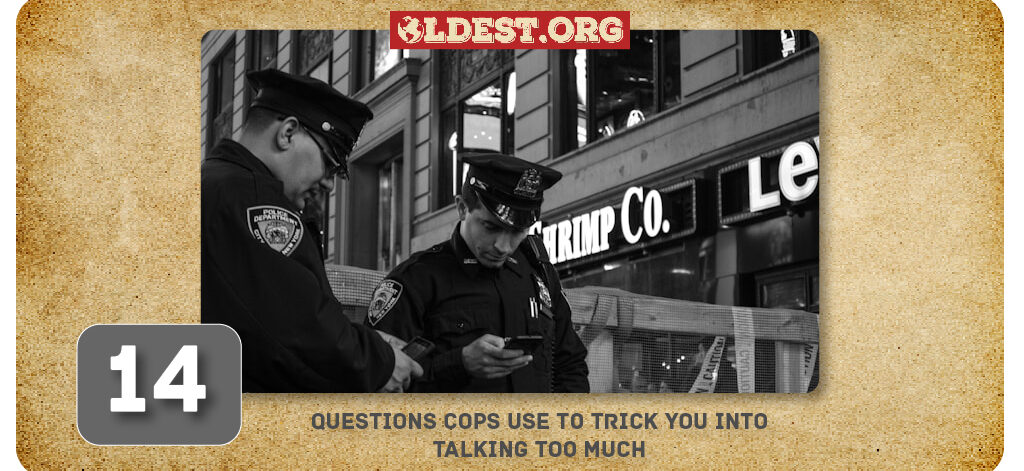
Traffic stops and police encounters can feel intimidating, and officers know this. They’re trained to ask specific questions designed to make you volunteer information that could be used against you. These 14 questions aren’t random conversation starters—they’re tactical tools meant to establish probable cause, elicit admissions, or gain your consent for searches. Understanding these psychological traps can help you protect your rights without being confrontational.
14. Have you had anything to drink tonight?
Source: Canva
This seemingly innocent question sets a trap by using the word “anything.” Even admitting to a single beer hours ago gives officers probable cause to conduct field sobriety tests. The question presumes alcohol consumption and pushes you to either confess or appear evasive. Your best move is to politely invoke your Fifth Amendment right to remain silent rather than trying to explain your way out.
13. Why did you do it?
Source: Canva
Don’t you think something’s missing here? The officer skips asking if you did something and jumps straight to why. This guilt-presumptive phrasing is a psychological ambush that assumes you’re already guilty and just need to explain yourself. It’s designed to bypass your rational thinking and trigger a defensive response. The moment you hear this, immediately request an attorney.
12. Mind if I look in your car?
Source: Canva
This question is articulated as a casual favor and it seeks your voluntary consent to search—which officers need if they lack probable cause. Once you say “yes,” you’ve waived your Fourth Amendment protections, even if you felt pressured. Many people don’t realize they can refuse. A firm but polite “I do not consent to searches” ends the conversation without escalating tension.
11. What did you think of ……..?
Source: Reddit
This feels harmless—maybe they’re asking about the weather or last night’s game. But casual chatter serves a purpose: building false rapport, observing your body language, and looking for nervous tells that suggest you’re hiding something. These softball questions lower your guard before harder ones follow. Staying focused and minimally responsive keeps you protected.
10. Where are you headed tonight?
Source: Reddit
Your destination might seem irrelevant, but officers use this to map your movements and build suspicion. Coming from a bar district at 2 AM? That supports a DUI investigation. Leaving a high-crime neighborhood? Now they’re thinking drugs. These details can be weaponized against you in ways you won’t anticipate. Politely decline to answer.
Sometimes quick thinking beats experience, as seen in these moments where ordinary people outsmarted professionals in unexpected and impressive ways.
9. Do you know why I pulled you over?
Source: Canva
This is perhaps the most common opening line, and it’s pure fishing. Officers want you to confess to speeding, rolling through a stop sign, or whatever violation they suspect. Any guess you offer becomes an admission of guilt in their report. The safest response is a simple “No, officer,” followed by silence—no explanations, no theories.
8. Your buddy already told us everything.
Source: Canva
This is often a complete fabrication, and yes, police are legally allowed to lie during interrogations. The goal is to panic you into contradicting your friend’s supposed statement or offering a competing version of events. Both outcomes give investigators leverage. Never engage with claims about what others allegedly said—demand to speak with a lawyer immediately.
7. If you’re innocent, why not take a polygraph?
Source: Canva
Polygraph tests are notoriously unreliable, which is why they’re inadmissible in most courts. This question weaponizes social pressure, implying that only guilty people refuse lie detector tests. The truth? Even innocent people can fail due to nervousness, and refusal cannot legally be used as evidence against you. Politely decline without justification.
6. Are you on probation or parole?
Source: Canva
This question isn’t small talk—it’s reconnaissance. Probation and parole often come with conditions that allow warrantless searches or expanded police authority. Admitting your status can instantly change the legal landscape of the encounter. Invoke your right to silence, as revealing this information offers no benefit and significant risk.
5. Tell me your side—I can help you out.
Source: Canva
This sounds compassionate, even friendly. But officers cannot make binding promises about your case—that’s the prosecutor’s job. What they can do is use your “side of the story” against you in court, twisting your words to fit their narrative. Genuine help comes from your attorney, not from the person building a case against you.
Some well-known public figures have surprising pasts, including these celebrities who served in the military before their rise to fame.
4. Did you plan it, or was it spur of the moment?
Source: Canva
Here’s a choice that isn’t really a choice. Answer either way, and you’ve just confessed to the crime—you’re only debating the degree of intent. This alternative question technique forces you to pick between two admissions of guilt. Silence is the only answer that doesn’t incriminate you.
3. How fast were you going?
Source: Canva
Unlike the vague “Do you know why I pulled you over,” this question demands a specific number. Whatever speed you state becomes documented evidence for your ticket, potentially matching their radar reading or providing a confession even without proof. Offering this quantification does their job for them. Don’t answer.
2. We found your DNA at the scene—explain that.
Source: Canva
Fabricated evidence claims create artificial urgency and fear. Even without actual forensic proof, officers can legally claim they have it to pressure you into providing an alibi or explanation. Innocent people panic and start talking, inadvertently saying something incriminating. Invoke your rights immediately and wait for your lawyer to examine the actual evidence.
1. Do you have anything illegal on you?
Source: Canva
This double-edged question pressures you to either confess or implicitly consent to a search by saying “no, go ahead and check.” Both responses work against you. Even answering “no” can be interpreted as granting permission for a pat-down or vehicle search. State clearly: “I do not consent to any searches.”
Conclusion
These questions aren’t designed for friendly conversation—they’re tactical instruments built to gather evidence. Police officers are trained in interrogation techniques that exploit our natural instinct to cooperate, explain ourselves, or fill uncomfortable silences. Understanding these strategies isn’t about being combative; it’s about protecting constitutional rights that exist for everyone’s benefit. Stay calm, keep your hands visible, and remember this phrase: “I respectfully invoke my right to remain silent and request an attorney.” When in doubt, let your lawyer do the talking.
The post 14 Questions Cops Use to Trick You Into Talking Too Much appeared first on Oldest.org.