If you thought that Vikings left behind nothing except horned helmets and a reputation for raiding coastal monasteries, you are about to be surprised.
For centuries, Anglo-Saxon England and the Scandinavian raiders lived, traded, argued, and eventually married side by side. When two distinct cultures crash into each other on a daily basis, their languages inevitably bleed together.
In here, we have some of the most common everyday words you likely didn’t know came from the Vikings.
1. Anger (The Viking Root: Angr)

We all feel it, but few realize that getting angry taps into a deeply rooted Scandinavian temperament. In Old Norse, angr wasn’t just a fiery emotional state; it originally carried a heavier sense of grief, trouble, or physical distress. Over centuries of linguistic evolution, the meaning shifted from external sorrow to internal fury. When your blood boils, you are experiencing an emotional legacy left behind by people who took their honor very seriously.
2. Bag (The Viking Root: Baggi)

We use gym bags, grocery bags, and laptop bags daily. Yet, the simple container you toss over your shoulder comes directly from the Old Norse baggi. Before the Vikings, Old English speakers used words like pusa (which became purse). The Norsemen brought baggi to describe heavy canvas bundles for their loot, creating a word used every time you shop today.
From horned helmets to fearsome warriors, many popular beliefs about the Vikings are far from the truth. Discover the fascinating facts behind these enduring misconceptions.
3. Bank (The Viking Root: Banki)

If you picture a medieval bank, you probably imagine cold stone vaults and ledgers. But the physical concept of a bank, both financial institutions and river slopes, stems from the Old Norse banki, meaning a bench or raised ridge of earth. Early moneylenders sat on benches in public marketplaces to conduct business. Scandinavian influence cemented the word into English to describe both natural raised land and the place where you keep your savings safe.
Follow us on MSN for similar, more informative content.
4. Both (The Viking Root: Báðir)

It is hard to imagine constructing everyday sentences without the word “both.” It allows us to bundle two choices or objects together effortlessly. Old English had its own native term, begen. However, when Norse settlers integrated into English society, their punchier word báðir muscled its way into common usage. Language naturally favors efficiency and báðir won the survival battle.
5. Cake (The Viking Root: Kaka)
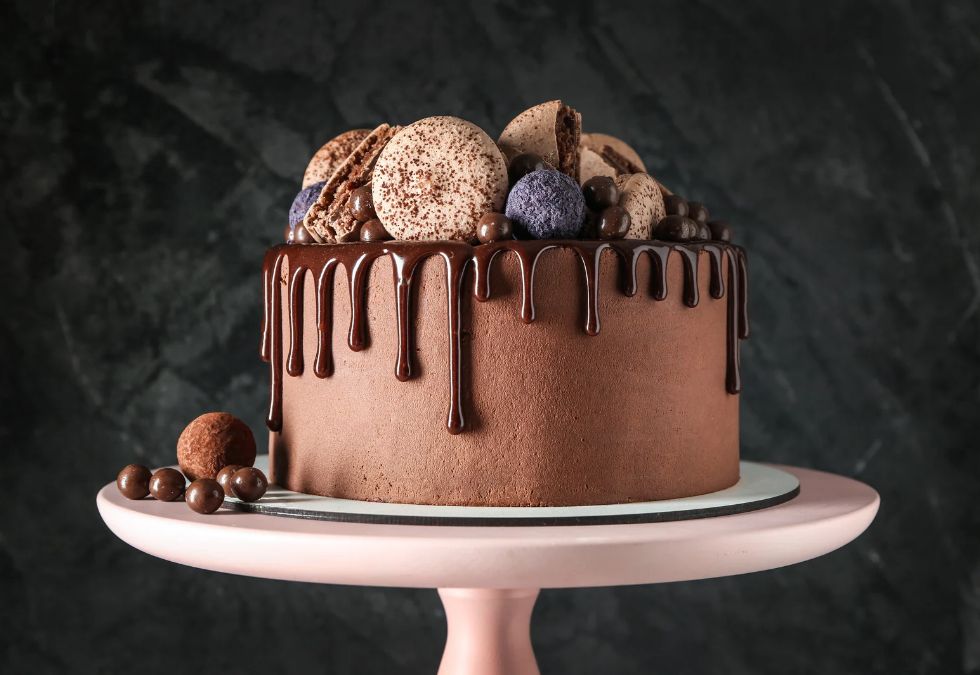
Who doesn’t love cake? Whether it is a towering wedding confection or a modest slice of coffee cake, the word itself is pure Norse. In Old Norse, kaka referred to a small, flat loaf of bread baked over hot stones. While modern baking has elevated the concept far beyond rudimentary flatbreads, the phonetic footprint remains unchanged. So, when you celebrate your birthday and cut a cake, pay tribute to early medieval Scandinavian bakers.
6. Dirt (The Viking Root: Dritr)
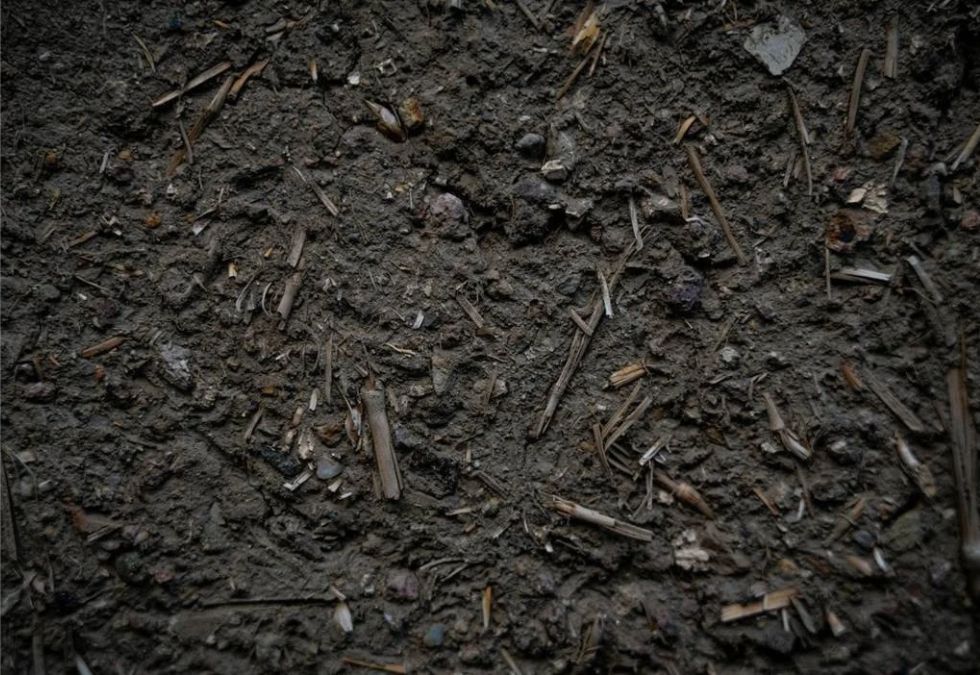
Old English speakers had plenty of words for soil and mud, but our modern word for grime evolved directly from the Old Norse dritr, which specifically meant excrement. Over centuries, the meaning broadened from literal manure to encompass general dust, earth, and mess. We can safely conclude that the linguistic evolution of everyday words doesn’t always follow a clean or polite path into our modern conversations.
7. Egg (The Viking Root: Egg)
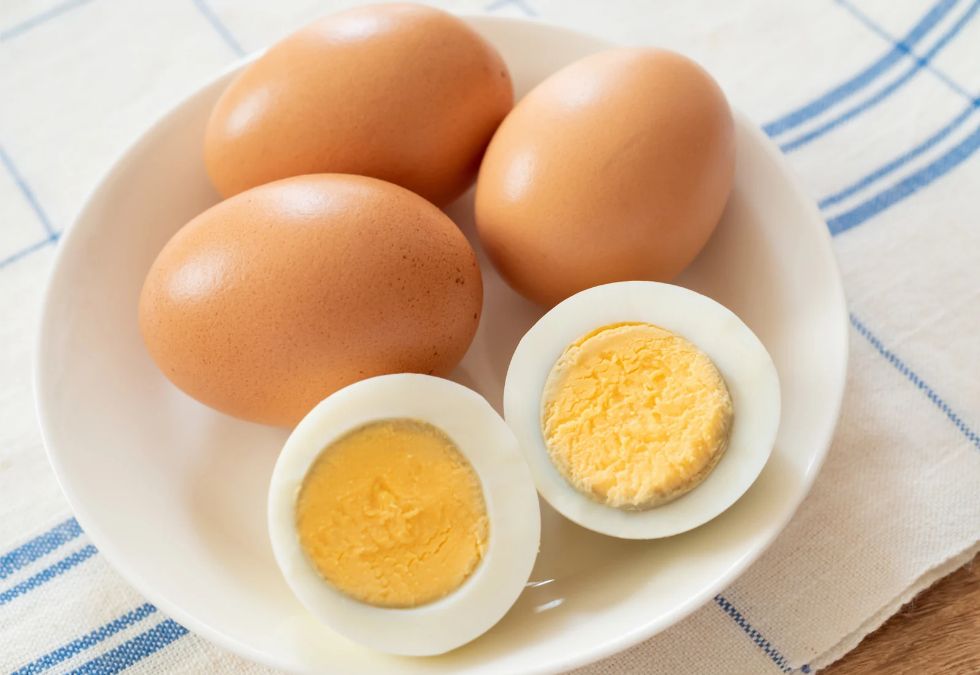
In Old English, the native word for egg was ǣȝ (pronounced “ai”). If northern dialects hadn’t favored the Old Norse egg, we might still be ordering “ai and bacon” for breakfast. Southern parts of England clung to their native vocabulary for generations, but the Norse variant eventually won out nationwide.
8. Fellow (The Viking Root: Félagi)

In Viking society, a félagi had a specific, high-stakes definition. It literally meant “one who lays down money with another”, a financial business partner on a trading or raiding expedition. Over the centuries, the term softened from ruthless maritime business partners into a friendly descriptor for any companion or guy next door.
9. Husband (The Viking Root: Húsbóndi)

Old English used words like wer to mean a married man. The Norse introduced húsbóndi, a compound blending hús (house) and bóndi (landowner or tiller of soil). A húsbóndi was the definitive head of a household with authority over the estate. The title we use for a male spouse remains stubbornly rooted in Old Norse, despite modern marriage dynamics.
10. Law (The Viking Root: Lög)
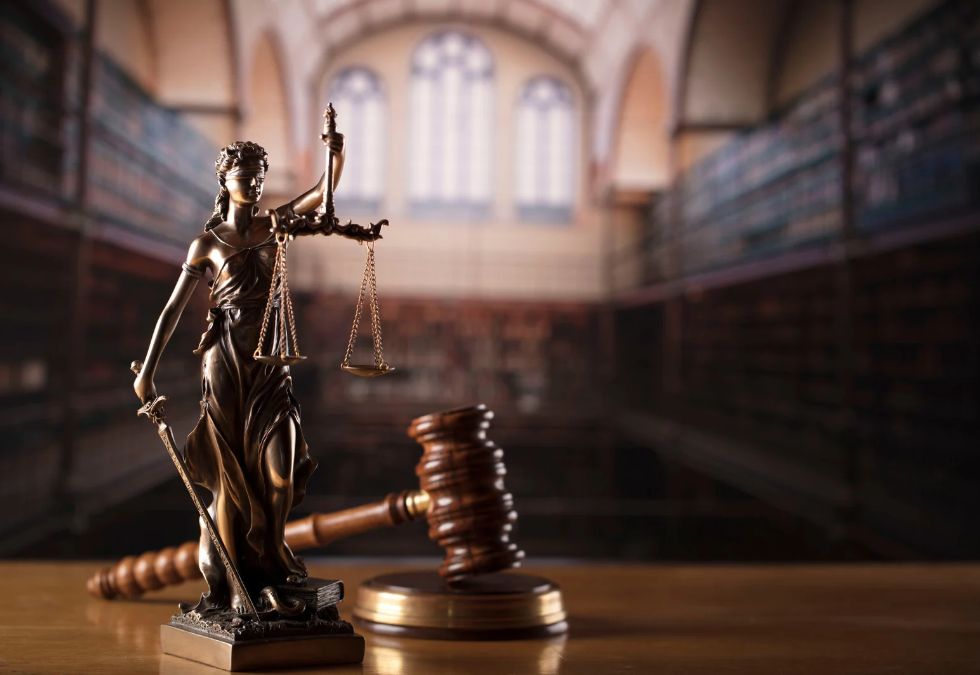
Vikings held deep respect for legal structures, running democratic assemblies called things. The Old Norse word lög meant “that which is laid down.” When the Norse settled in the Danelaw area of England, their legal concepts were deeply integrated into local administration, permanently stamping English jurisprudence with their native vocabulary.
11. Low (The Viking Root: Lágtr)
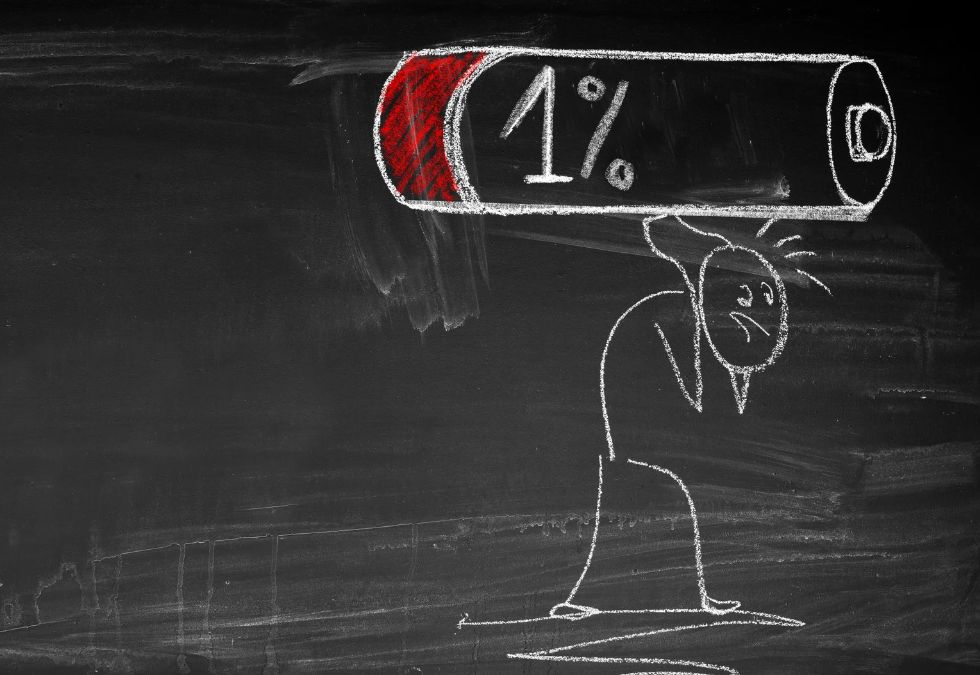
When you feel low, look at a low ceiling, or lower your voice, you are utilizing a thoroughly Scandinavian adjective. Old English had terms for short stature or depressed physical elevation, but the Old Norse lágtr was sharper, punchier, and far easier to deploy in rapid conversation. It entered the English language through prolonged daily contact, proving that linguistic efficiency almost always wins out over complex, archaic native terminology.
12. Root (The Viking Root: Rót)
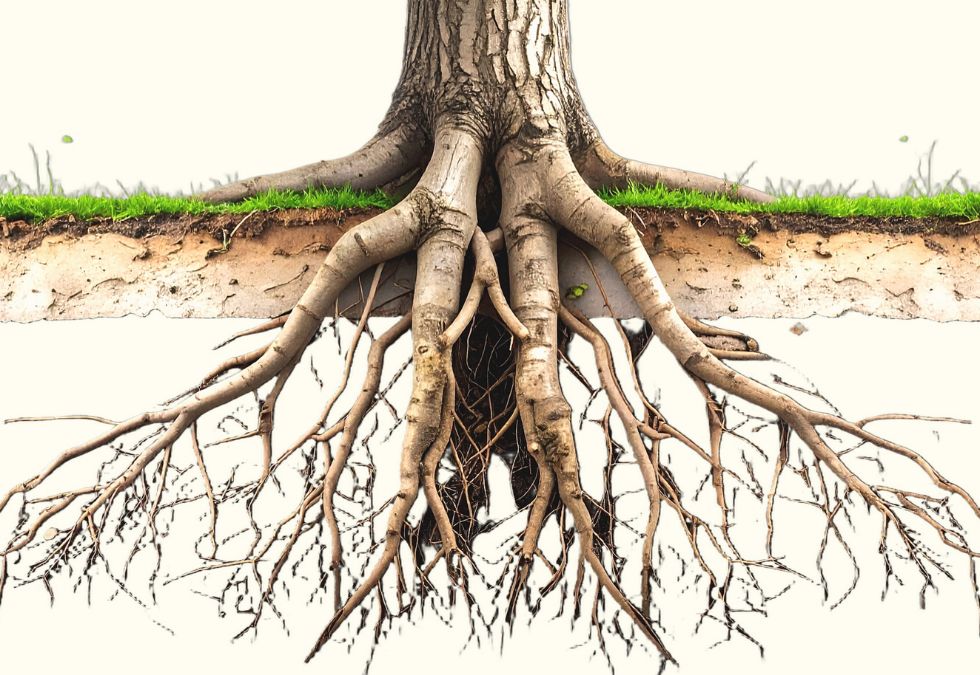
The Old English word for root was wyrt (which lingers in words like “wort”), but the Old Norse rót gradually dug its way into the linguistic soil. When you talk about getting to the “root of the problem,” you are using a term from a culture whose survival depended on understanding agriculture and nature.
13. Skin (The Viking Root: Skinn)

Old English possessed the word hid (which gave us “hide”), but the Vikings brought skinn, which initially referred specifically to the prepared pelt of an animal. Over hundreds of years, the meaning expanded from animal pelts to cover the external covering of the human body as well.
14. Window (The Viking Root: Vindauga)

If one word proves how wonderfully vivid the Old Norse language was, it is this one. The Vikings looked at a wall opening designed for light and ventilation and called it a vindauga, literally, a wind-eye. While modern windows are sealed with double-glazed glass, the poetic metaphor of the Vikings remains intact whenever you look outside.
15. Wrong (The Viking Root: Rangr)
Before the Vikings arrived, Old English speakers described incorrect actions with words like woh or synn. The Norse brought rangr, which fundamentally meant “twisted” or “crooked.” In a pre-industrial society, physical crookedness, a warped timber or bent plow, was naturally conflated with moral error. If something wasn’t straight, it couldn’t be trusted. That physical metaphor stuck, transforming rangr into our modern moral compass for what is wrong.
Follow us on MSN for similar, more informative content.
Final Words
The Vikings may have sailed away from the shores of Britain a thousand years ago, but they never truly left. They are sitting right there in your everyday speech, quietly shaping the way you tell your story. How many of these words did you know trace back its roots to the Vikings?
The post 15 Everyday Words You Didn’t Know Came from the Vikings appeared first on Oldest.org.